



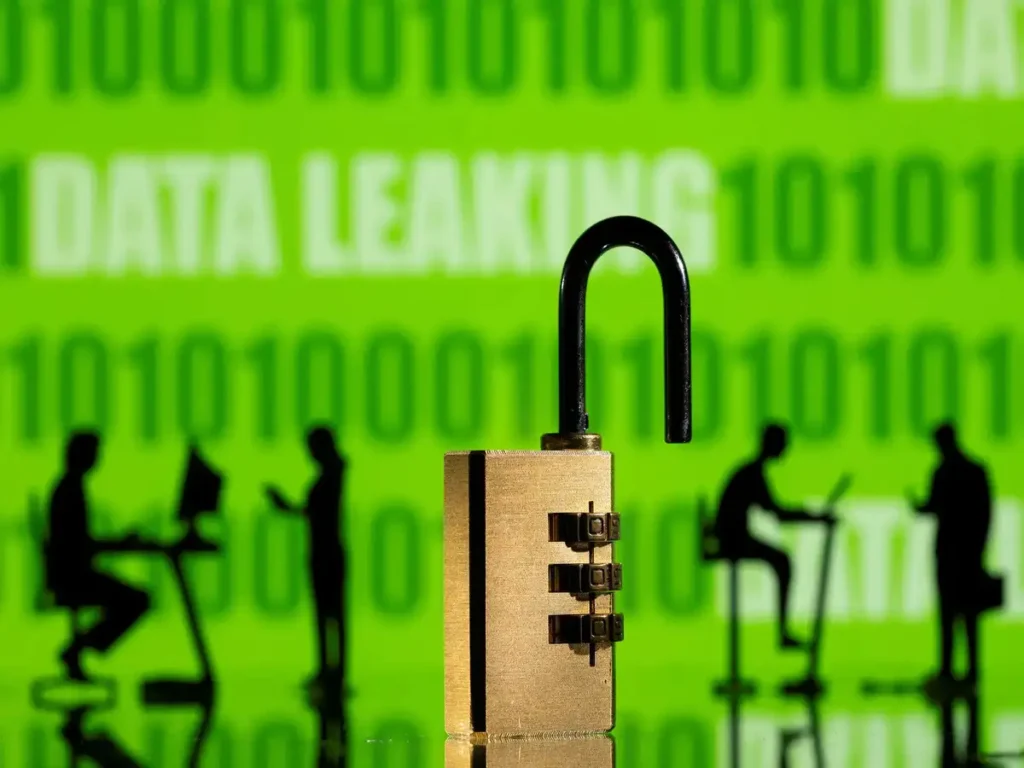
The digital world recently faced a major wake up call when a massive database containing 149 million usernames and passwords was discovered online. This huge collection of private data was sitting in a corner of the internet where anyone with a web browser could find it. It did not require any special hacking skills or complex tools to access. This leak included sensitive login details for some of the most popular platforms in the world such as Gmail and Facebook and even financial services like Binance.
Security researcher Jeremiah Fowler was the one who spotted this exposed information. He spends much of his time tracking down data that has been left unprotected by companies or individuals. In this case he found a database that was completely open to the public. There were no passwords or security measures in place to stop someone from looking through millions of private records. Once Fowler confirmed the scale of the leak he contacted the hosting provider to get the information taken offline immediately.
What Was Found in the Database
The scale of this password leak is truly staggering. When we look at the numbers we see that nearly 48 million Gmail logins were part of the exposure. This is particularly dangerous because many people use their Gmail account as a primary hub for their entire digital life. If a hacker gets into your email they can often reset passwords for other accounts or access private documents and personal conversations.
Beyond email accounts the database also held 17 million Facebook credentials. Social media accounts are high value targets for scammers who want to spread links or steal identities. The leak did not stop there as it included over 400,000 logins for the cryptocurrency platform Binance. This part of the breach is especially scary because it puts people’s actual money at risk. When financial accounts are exposed the danger moves from digital privacy to real world financial loss very quickly.
Why This Leak Matters for Your Online Security
The most concerning part of this situation is how easily the data could be searched. Since there was no protection anyone could have browsed through the list to find specific names or services. This kind of data is often used for something called credential stuffing. This is a technique where hackers use automated scripts to try the same username and password combinations on hundreds of different websites.
Many people tend to use the same password for their Netflix and their banking or their email. If one of those services is part of a password leak then every other account using that same password is now at risk. This is why cyber security experts always tell us to use unique passwords for every single site we visit. This recent event shows that even if a major company like Google or Facebook has strong security your data might still end up in a random unprotected database if it was gathered through other means.
Steps to Take Right Now to Stay Safe
If you are worried that your information might have been part of this data breach there are several things you can do immediately. The first and most important step is to change your passwords. You should focus on your most important accounts first like your email and your banking and your primary social media profiles.
Also Read: Breaking: Instagram 17.5 M data, leak exposed
When you create a new password make sure it is long and complex. It is much better to use a phrase or a mix of letters and numbers and symbols rather than a simple word. If you find it hard to remember all these different codes you should consider using a password manager. These tools store all your details securely and can even generate strong passwords for you.
The Power of Two Factor Authentication
Another vital tool for online security is two factor authentication. This adds a second layer of protection to your account. Even if a hacker finds your password in a leak they still would not be able to get in without a special code sent to your phone or generated by an app. Most major services like Gmail and Facebook and Binance offer this feature and it is one of the best ways to stop an intruder in their tracks.
Also Read: Why is YouTube deleting custom subtitles
You should also be on the lookout for suspicious emails or messages. After a major password leak hackers often send out phishing emails. They might pretend to be a service you use and ask you to click a link to secure your account. Always go directly to the official website instead of clicking links in an email to ensure you are not being tricked.
Final Thoughts on Protecting Your Digital Life
Data breaches are becoming more common and this leak of 149 million passwords is a reminder that we cannot be lazy with our digital safety. While it is frustrating to manage dozens of different passwords it is a small price to pay for peace of mind. By taking a few simple steps like using a password manager and enabling two factor authentication you can make yourself a much harder target for cyber criminals.
Stay proactive and keep an eye on news regarding any future data breach incidents. The more you know about how your data is handled the better prepared you will be to protect it. Your online security is ultimately in your hands and it starts with making sure your passwords are strong and unique.
FREQUENTLY ASKED QUESTIONS
How do I know if my password was part of the leak?
You can use reputable websites that track data breach records to see if your email address appears in any known leaks. If you receive an alert it is time to change your credentials immediately.
Should I change my passwords even if I was not affected?
It is a good habit to change your passwords regularly especially for sensitive accounts. If you have not updated them in a long time now is a great chance to improve your online security.
What is a password manager and is it safe?
A password manager is a digital vault that stores your login info. They use very strong encryption and are generally considered much safer than reusing the same simple password across multiple sites.
Is two factor authentication really necessary?
Yes it is one of the most effective ways to prevent unauthorized access. It ensures that a password alone is not enough for someone to break into your account.