




Every year, we excitedly upgrade our phones, replace laptops, swap headphones, and move on to smarter gadgets. But what happens to the old ones? The answer lies in e-waste—one of the fastest-growing waste streams in the world. Electronic waste is no longer an invisible problem tucked away in landfills; it is a global environmental, health, and economic issue. Understanding e-waste is the first step toward making more responsible choices in our tech-driven lives.
What exactly is e-waste and why it’s growing so fast
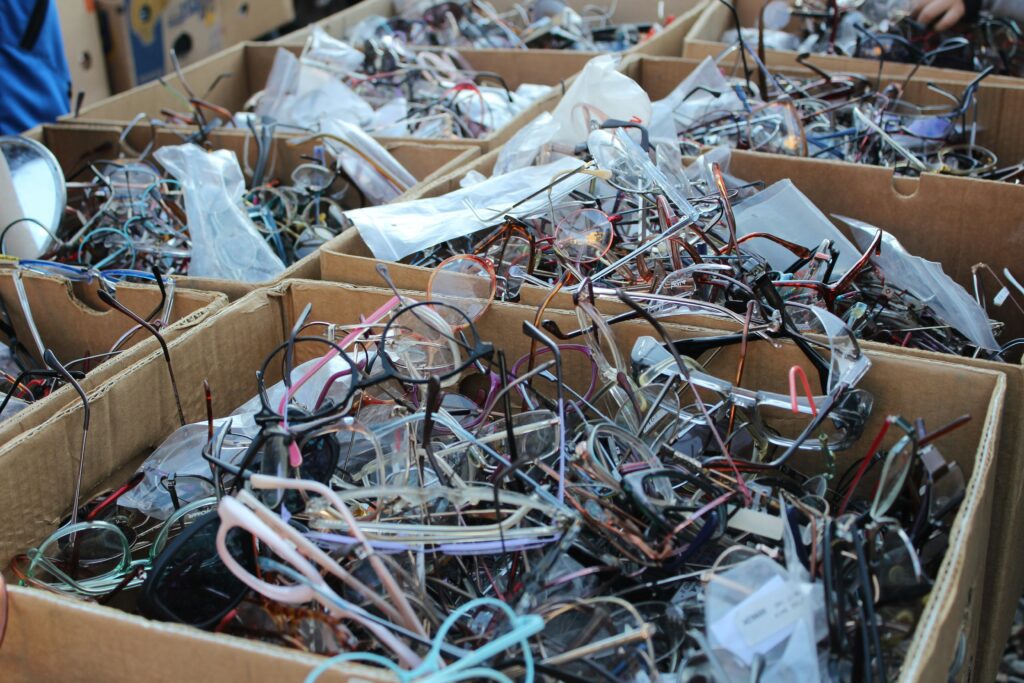
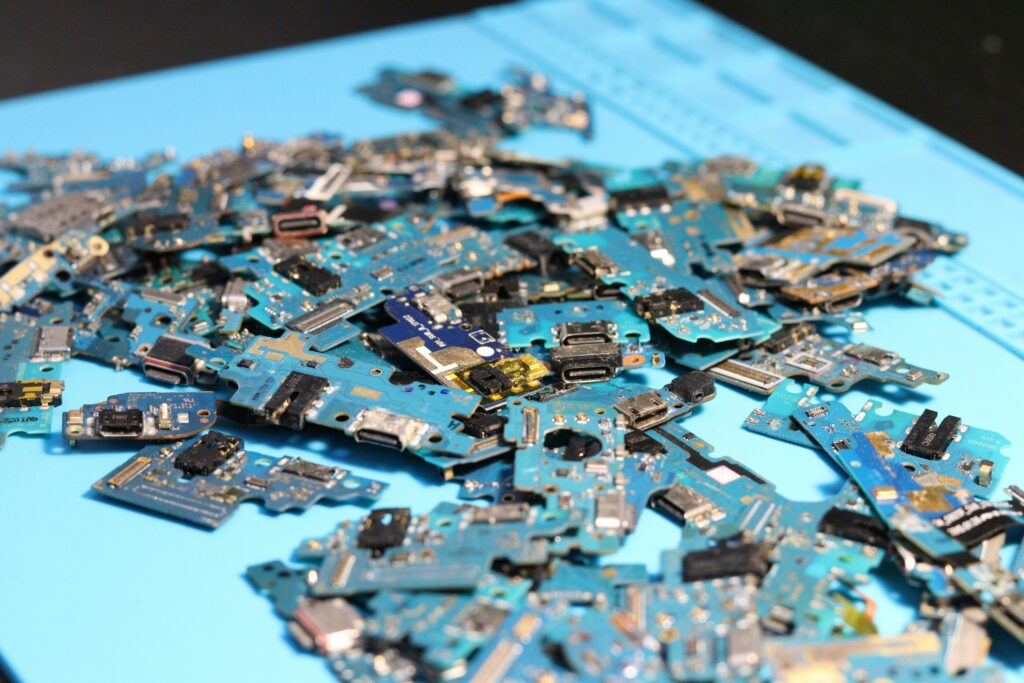
E-waste refers to discarded electronic devices such as smartphones, laptops, televisions, batteries, chargers, and home appliances. The problem isn’t just volume—it’s speed. Devices are becoming obsolete faster than ever due to rapid technological upgrades, shorter product lifecycles, and consumer demand for the latest models.
India is now one of the largest generators of e-waste globally. Urbanisation, rising incomes, and digital adoption have accelerated consumption, but recycling and awareness have not kept pace. Many electronics contain hazardous materials like lead, mercury, cadmium, and flame retardants, which can contaminate soil and water if not handled properly.
At the same time, e-waste also contains valuable resources such as gold, copper, silver, and rare earth metals. When dumped irresponsibly, these materials are lost forever, turning potential economic value into environmental damage.
The hidden impact of e-waste on health and the environment
One of the most alarming aspects of electronic waste is its impact on human health. Informal recycling—still common in many regions—involves burning wires, dismantling devices without protection, and acid-based extraction of metals. This exposes workers, often women and children, to toxic fumes and chemicals.
Environmentally, improper e-waste disposal leads to air pollution, groundwater contamination, and long-term ecological damage. Landfills leach heavy metals into soil, while open burning releases carcinogenic toxins into the atmosphere. These effects may not be immediately visible, but they accumulate over time, impacting entire communities.
7 essential things you should know about e-waste
1. e-waste is the fastest-growing waste stream globally, outpacing plastic waste.
2. Less than a quarter of global e-waste is formally recycled.
3. Electronics contain both toxic substances and precious metals.
4. Improper disposal directly affects human health and ecosystems.
5. e-waste recycling creates jobs and supports a circular economy.
6. Extended producer responsibility laws exist but are unevenly enforced.
7. individual choices—repairing, reusing, and recycling—make a measurable difference.
What individuals and brands can do differently
E-waste management is not just a policy issue; it’s a mindset shift. Consumers can start by extending device lifespans through repairs, upgrades, and mindful purchasing. Donating functional electronics and using authorised recycling centres are simple but impactful steps.
Brands and tech companies have an even bigger role. Designing products for durability, repairability, and recycling can drastically reduce waste. Transparent take-back programs and responsible supply chains are becoming essential, not optional.
Content creators, influencers, and educators also have power here. Talking about sustainable tech, responsible consumption, and ethical recycling helps normalise better habits—especially among younger audiences.
E-waste is a modern problem born from modern convenience. While technology continues to evolve, our responsibility toward its afterlife must evolve too. Understanding how electronic waste affects health, the environment, and the economy allows us to make smarter decisions—both as consumers and as contributors to a digital world. The solution isn’t to abandon technology, but to use it more consciously and dispose of it responsibly.
Frequently asked questions
What is e-waste?
E-waste refers to discarded electronic devices and components such as phones, laptops, batteries, and appliances.
Why is e-waste harmful?
It contains toxic chemicals that can pollute soil, water, and air, affecting human health.
Can e-waste be recycled?
Yes, authorised recyclers safely extract valuable materials and neutralise harmful substances.
Is e-waste a problem in India?
Yes, India is one of the top e-waste generators globally, with limited formal recycling.
How can individuals reduce e-waste?
By repairing devices, donating usable electronics, and recycling responsibly.