





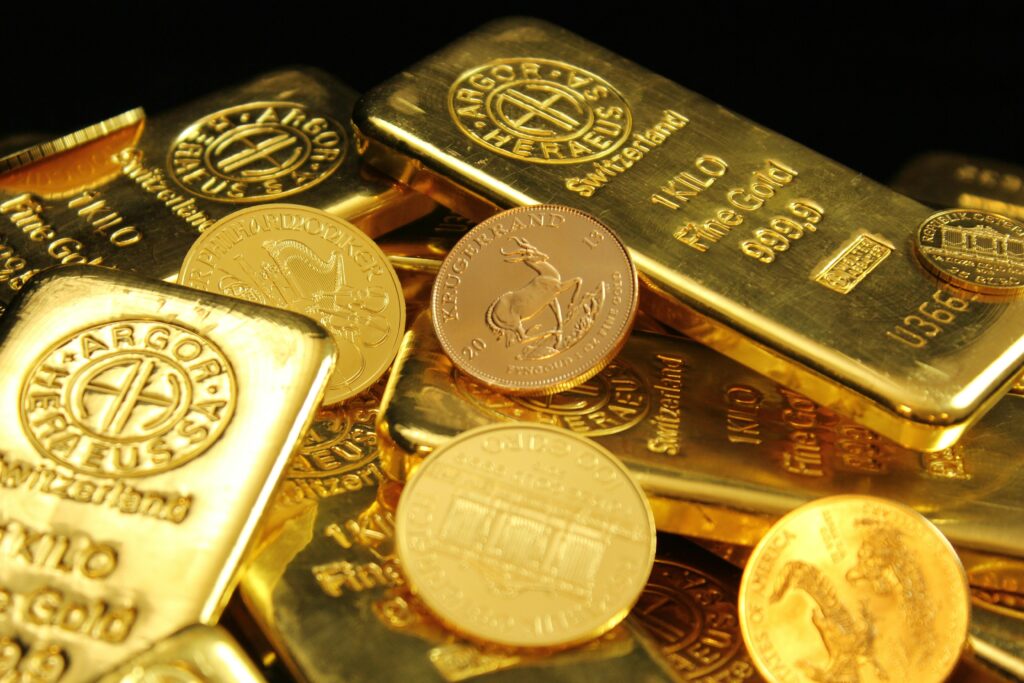
For centuries, Indian households—especially Indian women—have looked at gold as more than jewellery. It has been wealth, security, emotional heritage, and the most trusted form of savings. Whether it was a pair of bangles, a necklace gifted at a wedding, or tiny coins tucked away for emergencies, gold served as the original “rainy-day fund” long before financial planners became a thing.
The brilliance of gold wasn’t just in how it looked—it was in how seamlessly it could be liquidated. When life threw curveballs, gold quietly stepped in. No paperwork, no questions, no waiting period. Just value that held steady through generations.
But in 2025, with gold prices skyrocketing and investment options multiplying, is the relationship between Indians and gold changing? The answer: yes, but not in the way you think.
Why gold prices are rising—and what it means for you
Gold prices have been on a sharp upward climb globally. The reasons vary—from geopolitical tension and inflation to market instability—but the effect remains the same: demand rises even when prices soar.
Traditionally, high prices meant buying slowed down. But in today’s economy, high prices often reinforce the idea that gold is a safe haven. When people sense financial uncertainty, gold feels like a shield. And Indians, who already have deep cultural ties to the metal, instinctively turn to it.
What has changed, however, is how they invest in it.
How Indians are now investing in gold
Indian women once stored their wealth in the family locker. Today’s generation stores it in apps, demat accounts, and digital vaults. The modern investor sees gold not just as ornamentation, but as a diversified financial asset.
Here are the most popular gold investment routes today:
Physical gold: Still a favourite, though becoming expensive. However, the making charges and storage issues push younger buyers to explore alternatives.
Digital gold: A hit among millennials and Gen Z. You can buy as little as Rs 100 worth of gold and store it digitally without physical risk.
Gold ETFs: Exchange-Traded Funds allow you to invest in gold without buying jewellery or coins. Low cost, easy to buy and sell, and SEBI-regulated—no wonder they’re trending.
Sovereign gold bonds (SGBs): A top option for long-term investors. These government-backed bonds offer guaranteed interest plus the rising value of gold. And the best part? Zero capital gains tax if held till maturity.
Gold savings apps and micro-investing: Growing rapidly. You can set daily or weekly auto-savings in gold, making it easier to invest consistently.
Has gold lost its emotional value? Not quite.
While today’s investors are more aware of financial planning, gold still holds a sentimental place. Weddings, festivals, and milestones don’t feel complete without it. But the difference is:
Earlier: Gold was bought for tradition.
Now: Gold is bought for tradition and financial strategy.
People now discuss gold returns the way they discuss mutual funds. There’s awareness, intention and long-term vision.
Should you invest in gold today?
With prices rising, many wonder if it’s too late. Financial experts say gold shouldn’t be your only investment—but it must be part of a balanced portfolio.
Why?
- It acts as an inflation hedge
- It protects your wealth during market instability
- It maintains long-term value
- It diversifies your financial risk
If stock markets wobble or inflation surges, gold stabilises your financial health. That’s why even seasoned investors include 5–15 percent gold in their portfolio.
Gold may look different today—more digital, more market-driven, more financially structured—but its core purpose hasn’t changed. It remains the metal India trusts when the world becomes uncertain.
Whether in a locker, a digital wallet, or a government bond, gold continues to be the country’s quiet, dependable safety net. Rising prices only reinforce what generations already knew: gold isn’t just an investment. It’s insurance, emotion, and identity wrapped into a single shimmering asset.
And as long as Indians value security and tradition, gold will always remain priceless.