



Forget the early morning hikes and sunset selfies; the hottest thing in travel right now happens long after the sun goes down. Whether you’re a night owl or just looking to escape the daytime heat, a new movement is reclaiming the moonlit hours for adventurers.
For decades, the “perfect holiday” meant waking up at dawn to beat the crowds at a museum. But in 2025, a massive shift is happening. Travelers are flipping the script and choosing to stay under the covers until lunch, saving their energy for the rise of noctourism. This isn’t just about clubbing; it’s about exploring destinations after dark to see a side of the world that daytime travelers completely miss.
Why We’re Trading Sunshine for Starlight
The motivation behind this shift is simple. As daytime temperatures soar, night-time travel experiences offer a literal breath of fresh air. Beyond the cooler weather, the night provides a sense of mystery and intimacy. Without the bustling crowds and harsh glare of the sun, iconic landmarks feel like private sanctuaries.
From Moonlit Safaris to City Lights
When you think of travel, you might picture a sun-drenched beach, but imagine instead a bioluminescent bay where the water glows with every stroke of your paddle. Or perhaps night-time safaris in Africa, where 70% of animals are actually more active while we usually sleep. These aren’t just tours; they are immersive encounters that sharpen your senses and offer a unique thrill.
The New Era of Stargazing
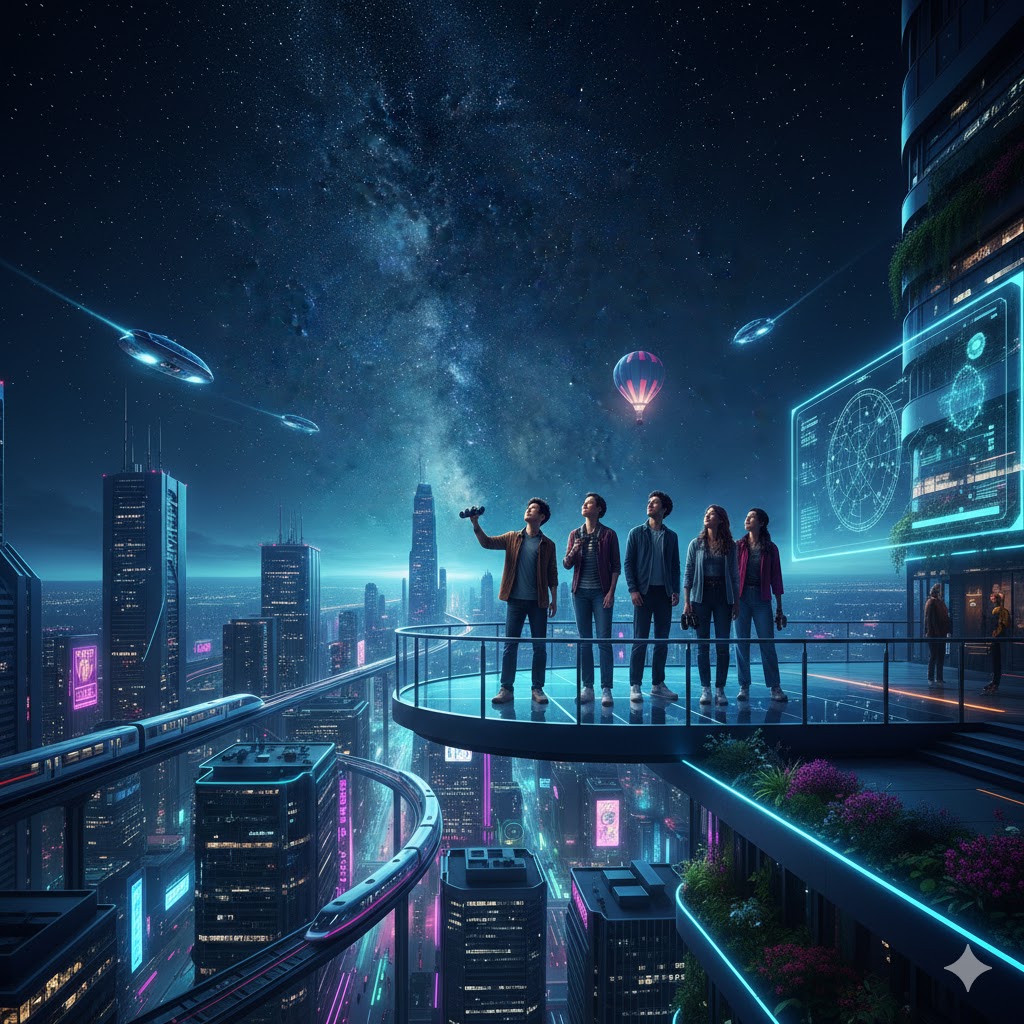
One of the core pillars of this trend is astrotourism. We are seeing a surge in people heading to “Dark Sky Sanctuaries” specifically for stargazing. Modern travelers are booking glass-domed cabins and luxury lodges with high-powered telescopes just to reconnect with the cosmos. Identifying the best places for astrotourism, like the Atacama Desert or remote parts of Iceland, has become a top priority for the modern wanderer.
Culture Doesn’t Sleep
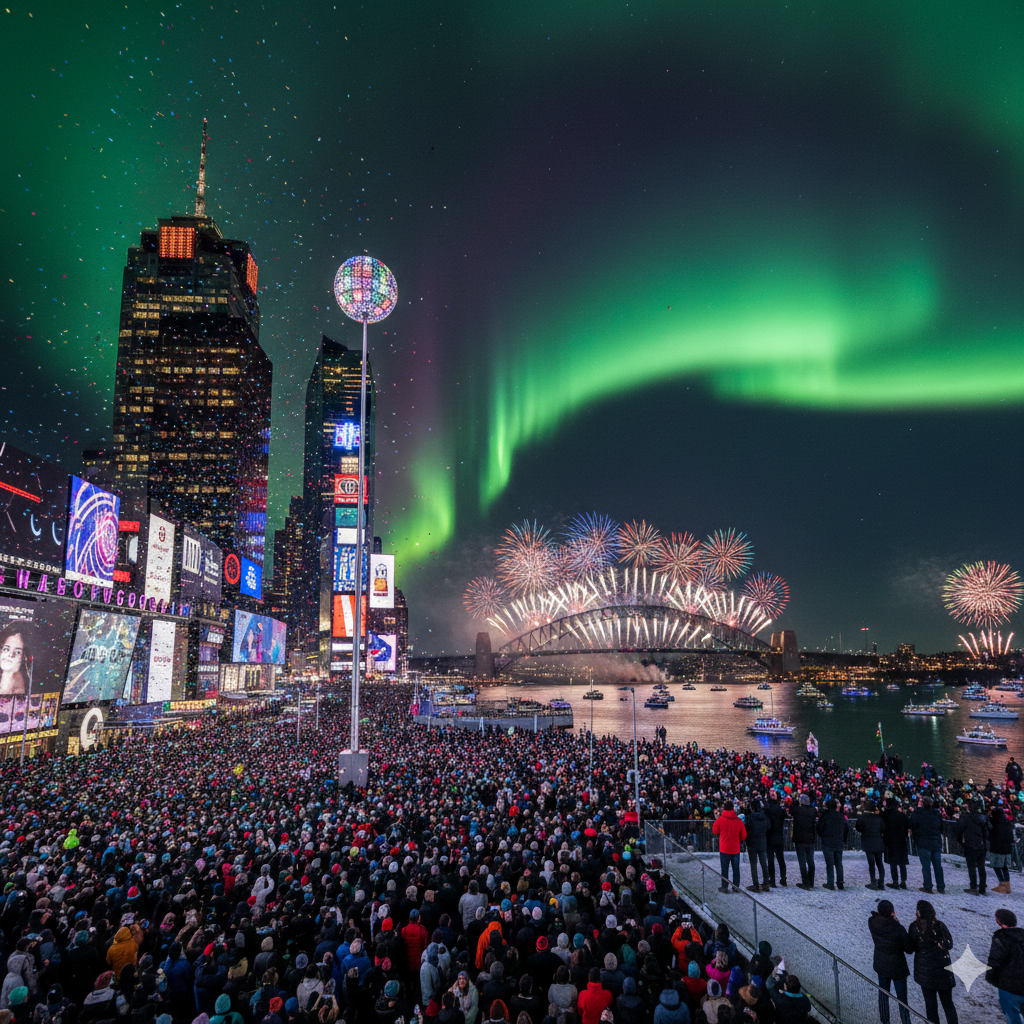
Cities are also waking up to the benefits of nighttime tourism. From cultural night tours in the historic streets of Rome to the neon-drenched food markets of Tokyo, the night-time economy is booming. Museums like the Louvre are extending hours, allowing for a quiet, contemplative experience with art that is impossible during the day.
Noctourism is more than just a trend—it’s a reminder that half of our planet’s beauty is hidden in the shadows. By embracing the night, we aren’t just traveling; we’re discovering a whole new world.