




India’s relationship with games began long before mobile screens and app stores. Courtyards, living rooms, school corridors, and neighbourhood clubs once echoed with dice rolls, striker shots, card shuffles, and animated debates over rules. These traditional Indian games were not just entertainment; they were social rituals passed from one generation to the next. Today, smartphones are giving these classics a fresh lease of life. With intuitive design, multiplayer features, and quick formats suited to modern schedules, digital platforms are bringing nostalgia straight to our pockets.
Ludo goes digital without losing its soul
Ludo’s journey from royal Pachisi boards to mobile apps is a story of seamless adaptation. The game’s simple rules and social appeal have made it one of the most downloaded board games in India. Modern digital versions focus on quick matches and skill-based play, allowing users to enjoy familiar gameplay without long waiting times. The result is a game that feels comforting yet contemporary, appealing to both seasoned players and first-time users.
Carrom moves from club rooms to mobile screens
Carrom once demanded physical precision, steady hands, and a smooth wooden board. Smartphone versions recreate that experience using realistic physics and touch-based controls. Online multiplayer modes allow players to compete with friends or strangers, reviving the competitive spirit of local carrom clubs. Fast-paced formats and timed challenges have added a new layer of excitement while keeping the essence of the game intact.
Snakes and ladders get a modern twist
Traditionally seen as a game of chance with moral symbolism, Snakes and Ladders has evolved on mobile platforms. Bright visuals, creative themes, and short turn timers have transformed it into a fast, engaging experience. Digital adaptations introduce interactive elements that balance luck with decision-making, making it a favourite for casual gaming sessions and family play.
Tambola finds a wider social circle
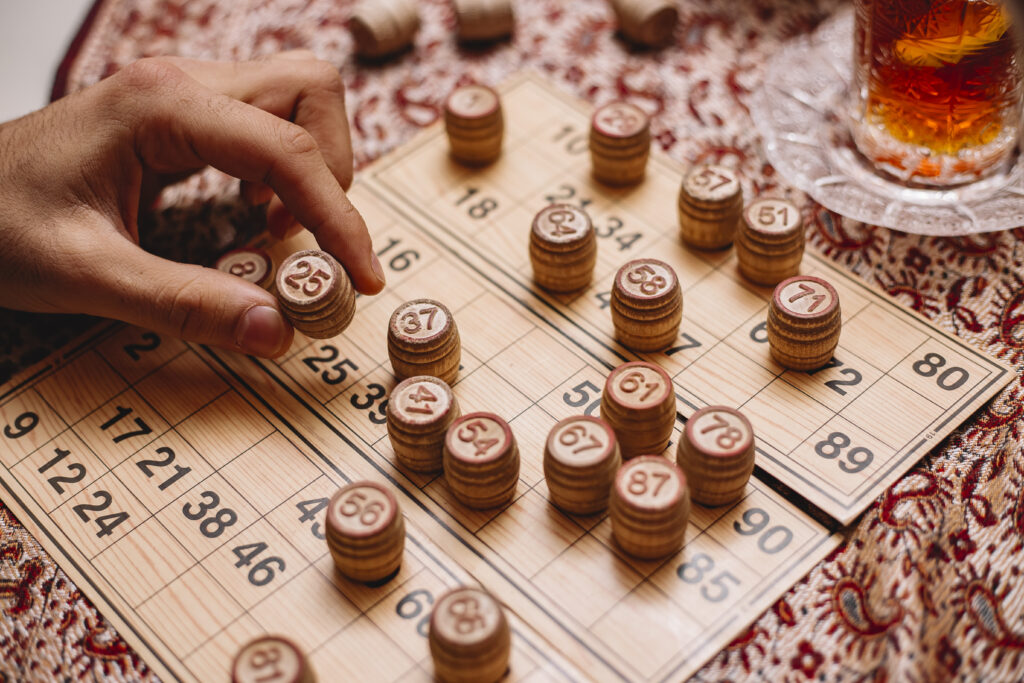
Tambola, also known as Housie, was once synonymous with kitty parties and festive gatherings. Online versions have expanded its reach beyond physical spaces. Live-hosted games, themed rooms, and community events have turned Tambola into a social mobile game that connects players across cities. Its easy format and inclusive nature continue to make it popular across age groups.
Teen Patti embraces online competition
Teen Patti has long been a staple during celebrations and family get-togethers. Digital platforms have taken the game beyond living rooms by introducing tournaments, private tables, and real-time multiplayer options. The online format retains the thrill of anticipation while offering structured gameplay that appeals to both casual players and competitive enthusiasts.
Chess reclaims its strategic crown
Originating in India as Chaturanga, chess has experienced a massive digital revival. Mobile apps offer ranked matches, global competition, tutorials, and AI-driven practice tools. This accessibility has encouraged young players to explore strategy and critical thinking, proving that ancient games can thrive in modern, tech-driven environments.
Hand cricket enters the fast lane
Hand cricket was a playground favourite requiring nothing more than quick thinking and faster reflexes. Digital versions condense the excitement into short, high-intensity matches. With limited balls and instant outcomes, mobile hand cricket captures the original thrill while fitting perfectly into today’s fast-paced lifestyles.
The resurgence of classic Indian games on smartphones highlights how technology can preserve cultural heritage while enhancing accessibility. These digital adaptations do more than entertain; they reconnect people with shared memories and social play. By blending nostalgia with innovation, mobile gaming platforms are ensuring that India’s timeless games remain relevant, engaging, and deeply rooted in everyday life.