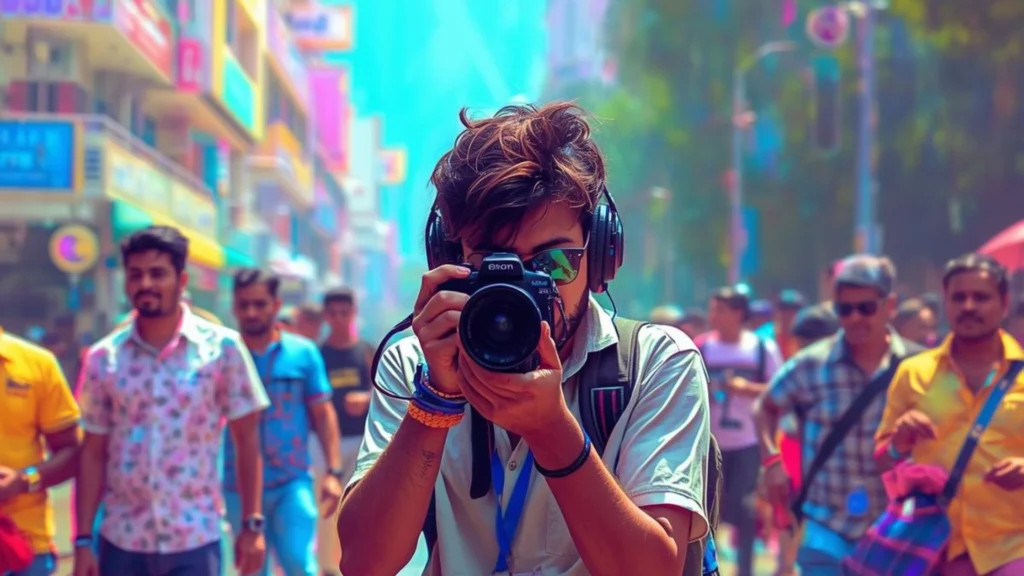





India’s creator economy is no longer a side hustle culture—it is a full-fledged livelihood for millions. From YouTubers and podcasters to educators, satirists, musicians, and influencers, digital content creation has become a serious profession. Yet, the laws governing their work remain stuck in a pre-internet era. Highlighting this gap, Aam Aadmi Party leader and Rajya Sabha MP Raghav Chadha has called for urgent amendments to the Copyright Act of 1957, arguing that creators’ livelihoods should be protected by law, not controlled by opaque algorithms.
Raising the issue during Zero Hour in the Rajya Sabha, Chadha’s intervention has sparked an important conversation around fair use, copyright enforcement, and the future of India’s digital economy.
Why current copyright rules hurt digital creators
At the heart of Chadha’s argument lies a simple truth: digital platforms are not hobbies for creators, they are income-generating assets. “Whether it is their YouTube channel or Instagram page, it is not a source of entertainment for them. In fact, it is their source of income,” he stated, underlining how years of effort can vanish overnight due to a copyright strike.
One of the biggest pain points for creators today is arbitrary copyright enforcement. Many creators rely on short clips—sometimes just two or three seconds—for commentary, criticism, parody, education, or news reporting. Despite falling under what most would consider fair use, such content often triggers automated copyright strikes. In extreme cases, entire channels are taken down without meaningful explanation or appeal.
Chadha pointed out that India’s Copyright Act was drafted in 1957, decades before digital platforms, social media, or the concept of creators even existed. While the Act mentions “fair dealing,” it does so in the context of books, journals, and magazines—not reels, videos, or podcasts. This outdated framework leaves digital creators vulnerable, fearful, and unsure of where the line truly lies.
His message was clear: innovation cannot thrive in an environment where creators are constantly worried that one algorithmic decision could erase their livelihood.
What reforms are being demanded
Raghav Chadha outlined three specific demands aimed at modernising India’s copyright framework for the digital age.
First, he called for a clear legal definition of digital fair use. This would include transformative uses such as satire, critique, commentary, incidental background use, proportionate use, educational content, public-interest reporting, and non-commercial applications. By defining these explicitly, creators would no longer have to operate in legal grey zones.
Second, he demanded the introduction of the proportionality doctrine in copyright enforcement. Under this principle, minor or incidental use—such as background audio playing briefly—should not result in complete content takedowns or channel strikes. The punishment, he argued, must match the scale of the violation.
Third, Chadha called for mandatory due process before content removal. This would ensure creators receive proper notice, explanation, and an opportunity to respond before their work is taken down. In a creator economy worth billions, decisions affecting income cannot be left solely to automated systems.
Importantly, Chadha clarified that he is not opposing copyright holders. Instead, he emphasised that fair use should not be confused with piracy, and that protecting creativity benefits both creators and rights owners in the long run.
Raghav Chadha’s intervention highlights a critical reality: India’s digital economy has outgrown its legal framework. As creators become entrepreneurs, educators, and cultural commentators, the law must evolve to reflect how content is created and consumed today. Updating the Copyright Act to protect digital fair use, ensure proportional enforcement, and guarantee due process could mark a turning point for millions of Indian creators. In an era driven by ideas and expression, creativity deserves protection—not fear.
Frequently Asked Questions
What is digital fair use?
Digital fair use refers to limited use of copyrighted material for purposes like commentary, criticism, education, satire, or news reporting without harming the original creator’s rights.
Why are creators worried about copyright strikes?
Automated systems can issue strikes even for short or incidental use, leading to content removal or channel termination without proper review.
How is India’s Copyright Act outdated?
The Act was written in 1957 and does not define digital creators, social media platforms, or modern forms of content creation.
What is the proportionality doctrine?
It ensures penalties match the severity of the violation, preventing full takedowns for minor or accidental use.
Will these reforms harm copyright owners?
No. The aim is to balance creator protection with copyright enforcement, not undermine legitimate ownership rights.