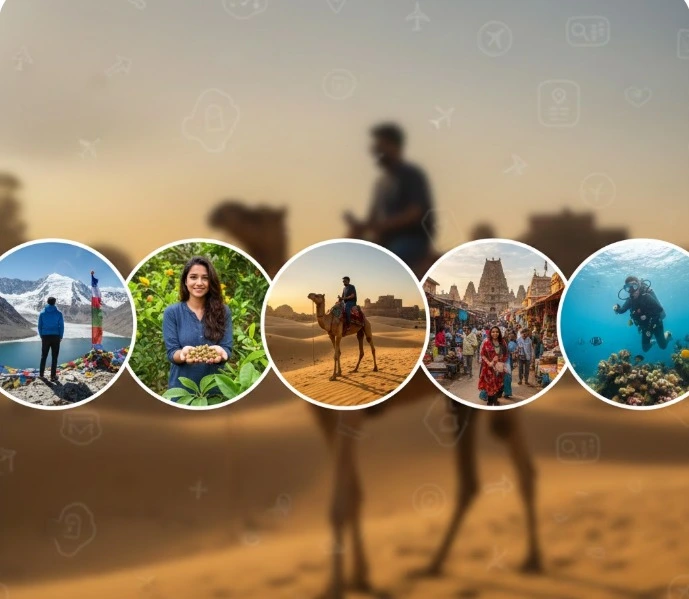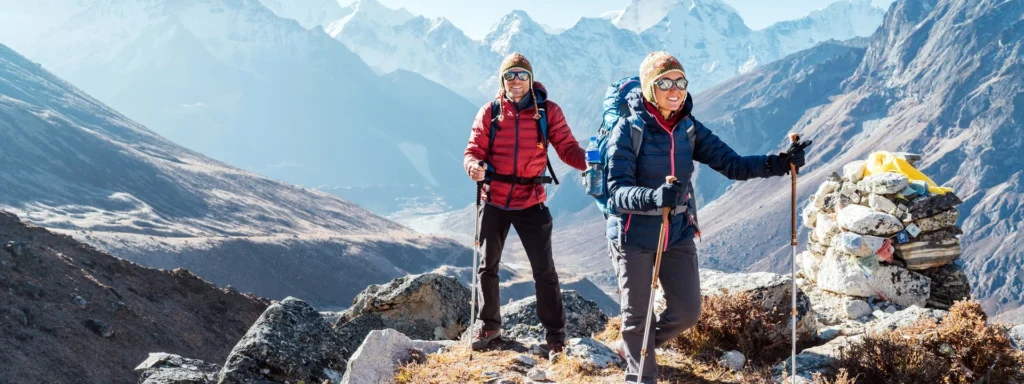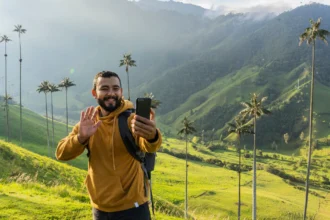




Scroll through Instagram for five minutes and you’ll be convinced that India is full of untouched waterfalls, secret villages, and hidden cafés where nobody else exists—except the influencer posing perfectly in frame. Off-beat travel has become one of the most powerful content genres on social media, promising escape from crowds, authenticity, and brag-worthy experiences. But behind the dreamy reels and cinematic drone shots lies a growing problem: many Instagrammers are overselling destinations without context, responsibility, or honesty. Before you pack your bags chasing that “hidden gem,” it’s worth understanding what’s really being sold to you.
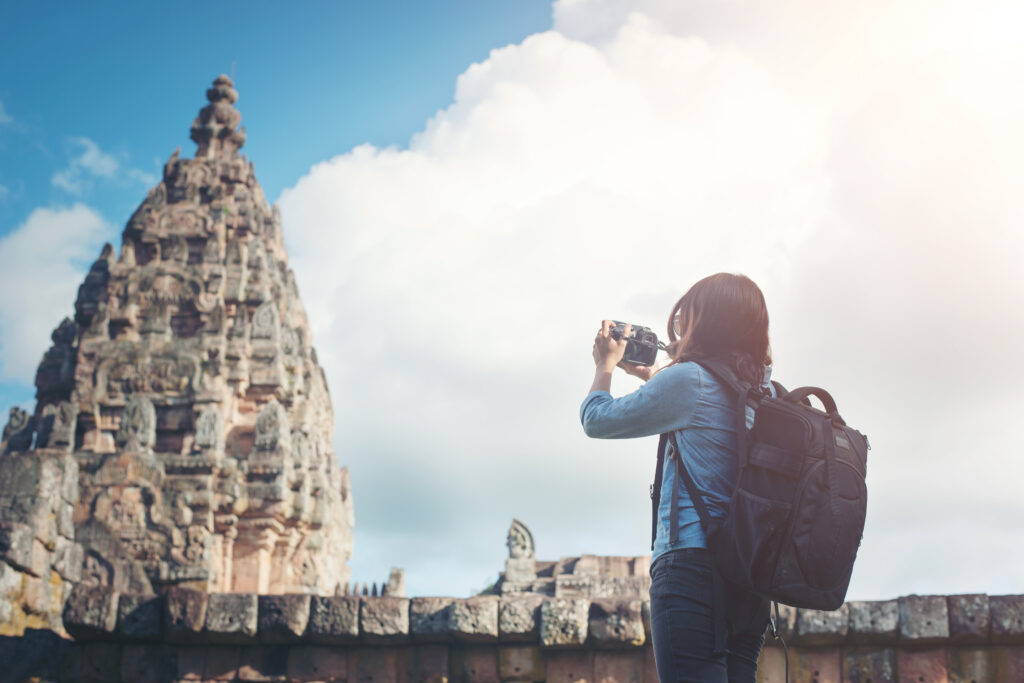
The rise of off-beat travel as Instagram currency
Off-beat travel Instagram content thrives because it taps into fatigue. Audiences are tired of Goa beaches, Manali cafés, and Jaipur palaces. Creators responded by pushing lesser-known destinations—remote hamlets, fragile ecosystems, or underdeveloped regions—branding them as “undiscovered” or “still untouched.”
For influencers, these places offer instant differentiation. Fewer creators have been there, which means higher engagement, faster growth, and brand interest. For the algorithm, novelty performs well. For viewers, it feels aspirational and exclusive.
The problem begins when reality is edited out. Many off-beat destinations lack basic infrastructure, medical facilities, road connectivity, or safety protocols. What you see as a peaceful mountain stay might actually involve unreliable electricity, unsafe trails, or tense local dynamics—none of which make it into the reel.
Another concern is timing. Creators often visit during ideal seasons or with local fixers who smooth logistics. Followers arriving months later may face landslides, closed routes, or overcrowding caused by the very reel that inspired them. Off-beat travel stops being off-beat the moment it goes viral.
What influencers don’t tell you (and why it matters)
One of the biggest gaps in influencer travel content is disclosure. Very few creators clearly state whether a trip is sponsored, hosted, or supported by local tourism boards. This matters because incentives shape narratives. A paid stay is unlikely to include honest reviews about hygiene, accessibility, or local challenges.
There’s also the ethical angle. Repeated exposure of sensitive locations—tribal areas, sacred spaces, or ecologically fragile zones—can disrupt communities and ecosystems. Increased footfall without regulation leads to waste issues, cultural dilution, and rising costs for locals.
From a consumer perspective, blind trust in Instagram travel influencers can result in disappointment, financial loss, or even danger. Emergency services in remote areas are limited. Network coverage may be poor. What looks “peaceful” online can be isolating in real life, especially for solo travellers.
Creators are not travel guides, and algorithms are not accountability systems. When off-beat travel is sold without nuance, context, or responsibility, the viewer bears the risk—not the creator.
Off-beat travel is not the problem. The problem is how it’s being packaged and sold on Instagram. Hidden destinations deserve respect, not hype cycles driven by likes and shares. As audiences, we need to consume travel content with curiosity—but also caution. Ask questions, cross-check information, read local reviews, and understand that every reel is a highlight, not a handbook. The real adventure begins when you separate storytelling from salesmanship.
Frequently asked questions
Is off-beat travel always unsafe?
No. Many lesser-known destinations are safe and rewarding, but they require research and realistic expectations.
How can I verify an influencer’s travel recommendation?
Check Google Maps reviews, local tourism websites, and traveller forums before planning.
Are all off-beat travel reels sponsored?
Not all, but many are partially or fully hosted. Lack of disclosure should raise questions.
Why do influencers push hidden destinations so aggressively?
Novelty drives engagement and helps creators stand out in a crowded content space.
Should influencers be more responsible while sharing locations?
Yes. Ethical travel content should include context, limitations, and respect for local communities.