


Restaurant reviews may have been the entry point for many food bloggers, but in today’s crowded creator economy, they are no longer enough to stand out or scale. Audiences want more than ratings and recommendations—they want stories, context, personality, and value. Brands, too, are looking beyond one-off reviews toward creators who can influence culture, habits, and purchase decisions in meaningful ways. For food bloggers looking to grow their relevance, revenue, and reach, the opportunity lies in expanding their content universe well beyond dining tables and menu cards.
Expanding the food storytelling universe
Food is deeply tied to memory, culture, and identity—and this is where bloggers can unlock powerful storytelling formats. Instead of focusing only on where to eat, creators can explore why we eat what we eat.
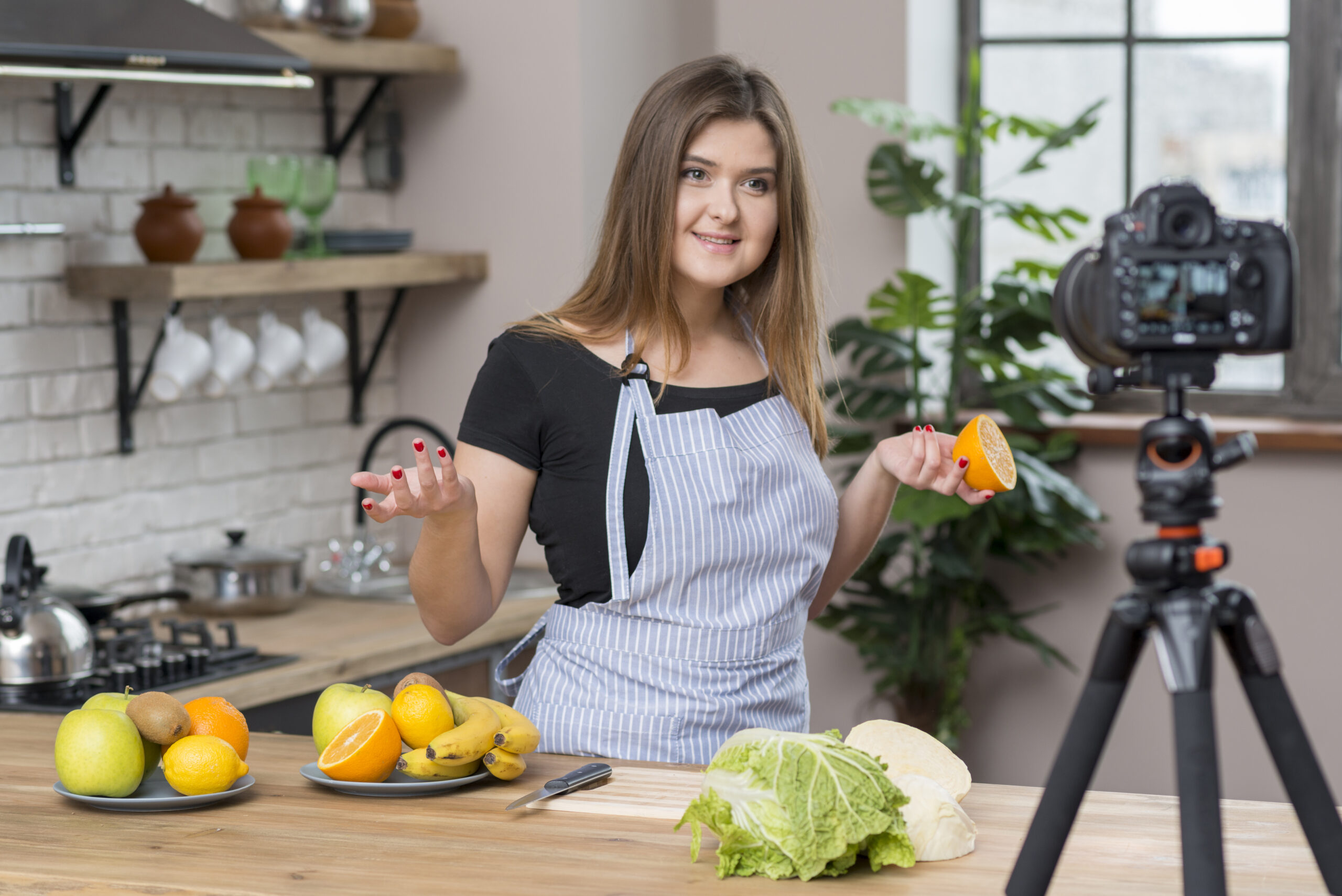
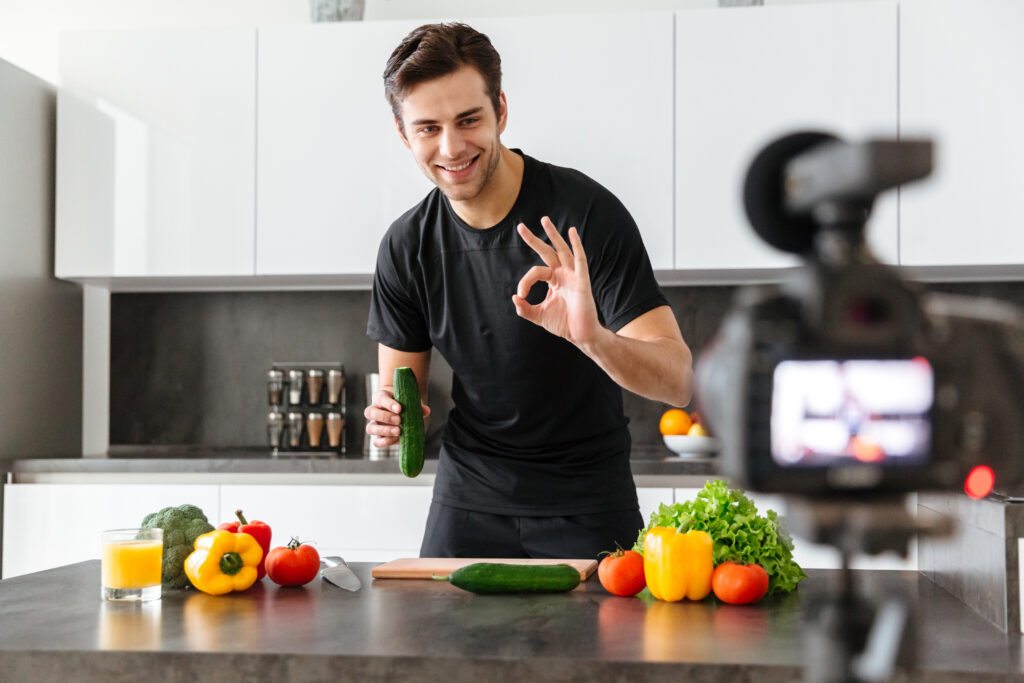
Home cooking content is a natural extension. Simple recipes, regional dishes, family food traditions, and kitchen hacks resonate strongly with audiences who cook regularly or aspire to. These formats also perform well on short-form video platforms, where quick, repeatable recipes often go viral.
Another growing area is food history and cultural context. Explaining the origins of a dish, the evolution of street food, or the cultural significance of festive meals allows bloggers to position themselves as educators, not just reviewers. This kind of content builds long-term trust and shareability.
Travel-linked food narratives are also expanding. Instead of listing restaurants in a city, bloggers can focus on food trails, local markets, regional ingredients, and homegrown producers. These stories feel immersive and often attract tourism boards and lifestyle brands looking for deeper engagement.
Even food failures and experiments are finding their audience. Behind-the-scenes content—burnt dishes, recipe testing, or ingredient swaps—adds relatability and humour, helping creators build authentic connections.
New revenue and brand opportunities
As food blogging matures, creators are no longer limited to restaurant invitations and tasting menus. Brands are increasingly collaborating with food bloggers across multiple touchpoints in the consumer journey.
Packaged food, kitchen appliances, cookware, spices, oils, and health-focused products are natural brand extensions. Bloggers who demonstrate how products are used—rather than just reviewing them—often see higher engagement and conversion. Recipe-led brand integrations feel organic and audience-friendly.
Educational formats are also opening new doors. Food bloggers are hosting workshops, online cooking classes, paid newsletters, and digital recipe books. These offerings allow creators to monetise their expertise directly, without relying solely on brand deals.
Affiliate marketing has become another strong pillar. From linking pantry staples to recommending kitchen tools, food bloggers can generate passive income while maintaining content integrity—provided recommendations remain authentic.
Community-building is emerging as a long-term growth strategy. Private groups, subscriber-only content, live cooking sessions, and Q&As help creators move from followers to loyal communities. This not only improves engagement but also strengthens negotiating power with brands.
Some food bloggers are also stepping into consulting roles—helping restaurants with menu storytelling, content strategy, or influencer campaigns. Their on-ground understanding of food audiences makes them valuable collaborators beyond social media.
The future of food blogging is not confined to restaurant reviews—it is expansive, layered, and full of creative possibility. As audiences seek deeper connections and brands demand more meaningful storytelling, food bloggers who diversify their content stand to gain both creatively and commercially.
By moving into culture-led narratives, home kitchens, education, and community-building, food bloggers can evolve from reviewers into trusted voices within the food ecosystem. In doing so, they don’t just talk about what’s on the plate—they shape how food is experienced, understood, and celebrated in the digital age.