




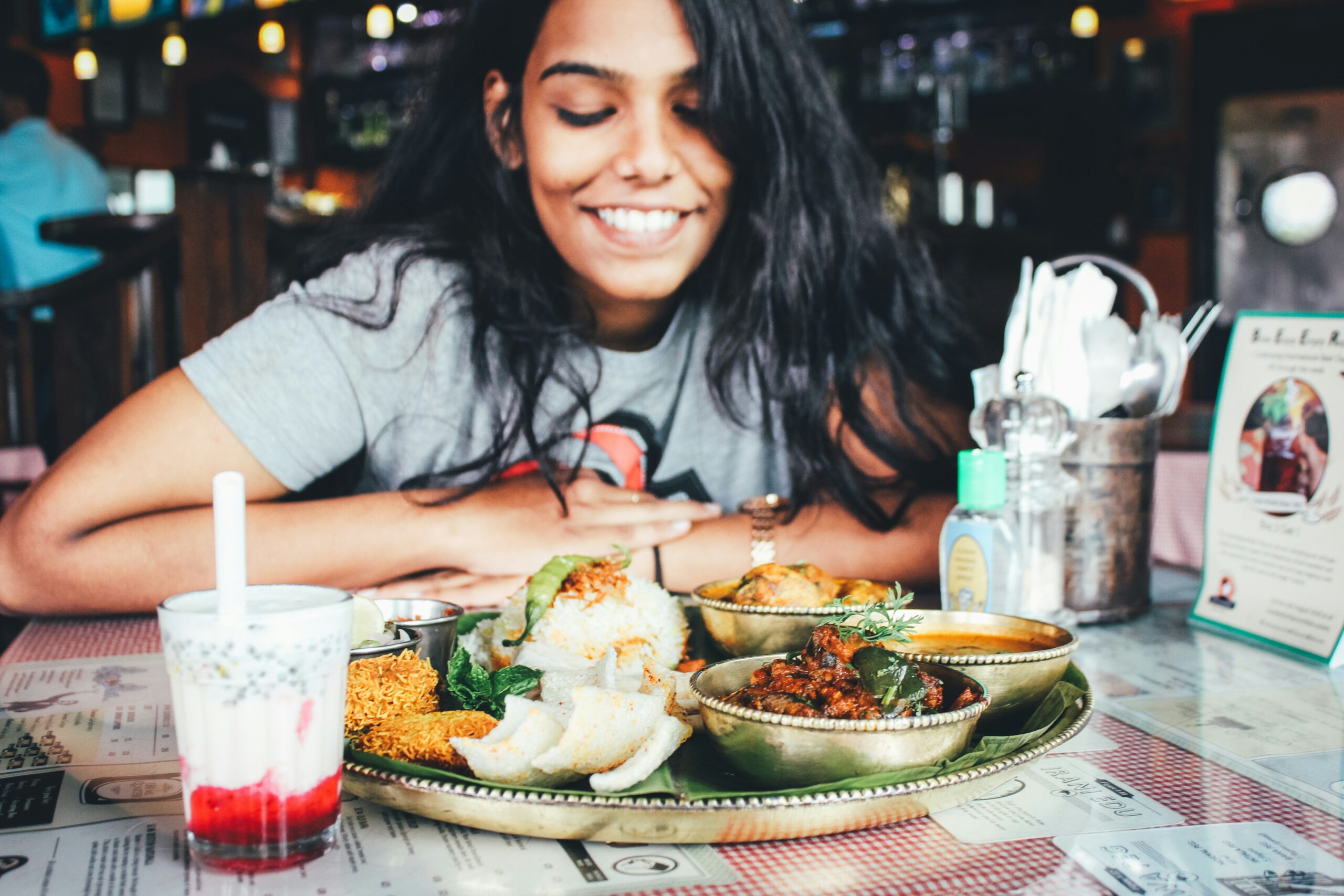
If you still believe Indian food habits follow a predictable pattern of butter chicken on weekends and home-style meals on weekdays, the latest data says otherwise. A recent reel by influencer @honeyyjainguha_official breaks down insights from Swiggy and Kearney’s How India Eats report—and the numbers are startling. India’s food consumer is no longer driven by cuisine loyalty or fixed meal timings. Instead, eating habits today reflect mood, lifestyle, work schedules, health consciousness, and global curiosity, often all at once. The report paints a picture of a country that is eating emotionally, experientially, and intentionally, sometimes within the same day.
India is eating both hyper-local and global
One of the biggest revelations from the How India Eats report is the explosive rise of hyper-regional cuisines alongside global food trends. Regional Indian foods such as Goan, Bihari, Pahadi, and other deeply local cuisines are growing anywhere between 2x and 8x across food delivery platforms. At the same time, international cuisines—especially Korean food—are witnessing a staggering 17x growth.
This is not trend hopping; it is layered consumption. Consumers are craving familiarity and novelty together. A customer might order a comforting regional thali one day and Korean fried chicken or ramen the next. According to the report, this behaviour reflects rising exposure, migration-driven tastes, social media influence, and greater access through delivery apps.
For F&B brands, this signals a major shift. India is no longer one unified food market but a mosaic of micro-preferences. Menus that blend authenticity with accessibility are winning. Regional brands that once catered only to local neighbourhoods are now finding national audiences, while global cuisines are being localized to Indian taste palettes.
Late-night eating and healthy food are now mainstream
Another striking insight from the Swiggy and Kearney report is the surge in late-night eating. Orders placed after 11 pm are growing nearly three times faster than traditional dinner orders. What was once considered indulgent or occasional has now become routine.
This growth is driven not just by students, but by young professionals, gig workers, shift employees, and people living alone. Late-night food has evolved into a comfort ritual tied to work schedules, loneliness, or personal downtime. Consumers are prioritizing speed, reliability, and consistent quality during these hours.
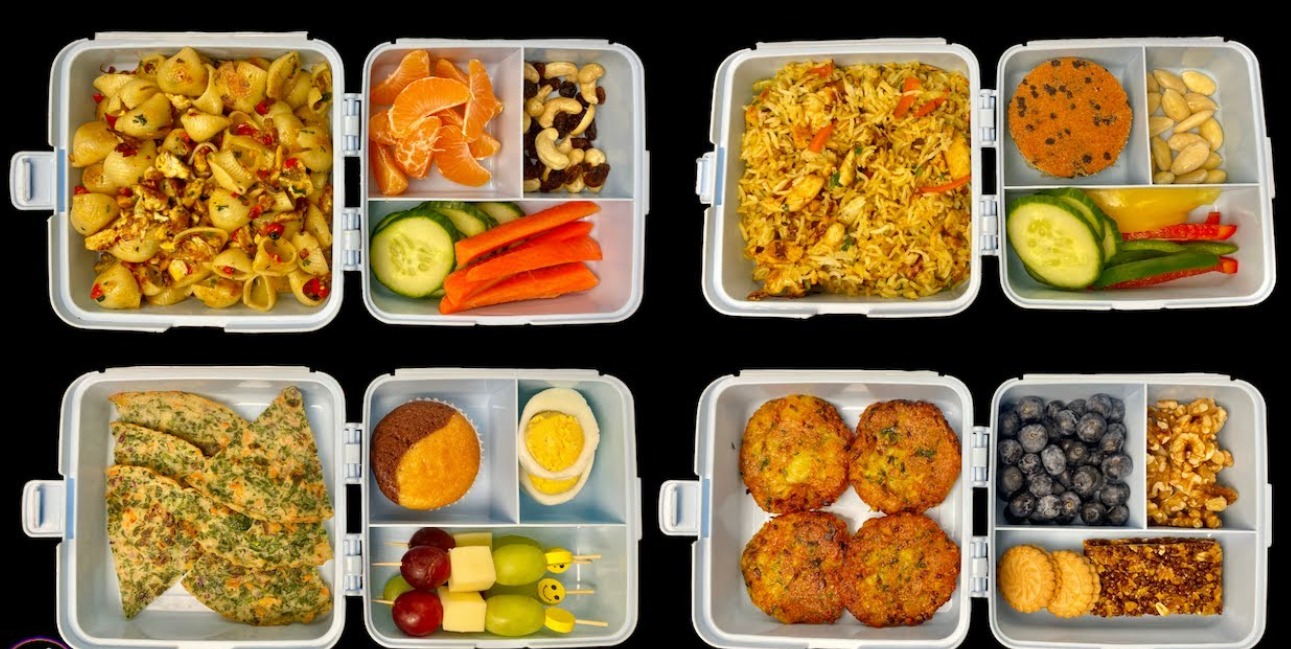
Equally important is the rise of health-conscious consumption. Healthy meals are growing 2.3 times faster than overall food orders. High-protein meals, low-sugar desserts, calorie-aware options, and functional nutrition are no longer niche categories. Consumers are seeking balance—comfort without guilt, indulgence with discipline.
Together, these trends show that Indian consumers are no longer loyal to cuisines; they are loyal to moods. They want affordability and aspiration, speed and experience, regional depth and global flair—all within the same week.
The biggest takeaway from the How India Eats report is that India’s food consumer has become deeply complex in a very short time. Eating decisions are now shaped by emotions, routines, health goals, and lifestyle moments rather than fixed preferences. For F&B brands, the real challenge is no longer just menu design. It is understanding who the consumer is at a specific moment of their day. India is not a single market anymore—it is a constantly shifting map of cravings, routines, and emotional needs. Brands that decode this fluidity will define the future of Indian food.
Frequently asked questions
What is the How India Eats report?
The How India Eats report is a joint study by Swiggy and global consulting firm Kearney, analysing large-scale food ordering data to understand evolving Indian consumer behaviour.
Why are hyper-regional cuisines growing so fast?
Increased migration, digital discovery, nostalgia, and delivery access have made regional cuisines popular beyond their home states.
What is driving late-night food demand in India?
Changing work hours, gig economy jobs, solo living, and urban lifestyles have turned late-night eating into a regular habit.
Are healthy food options really mainstream now?
Yes. High-protein, low-calorie, and sugar-conscious meals are growing much faster than overall food orders.
How should F&B brands respond to these trends?
Brands need to design for moods and moments, not just cuisines—focusing on flexibility, personalisation, and lifestyle relevance.