




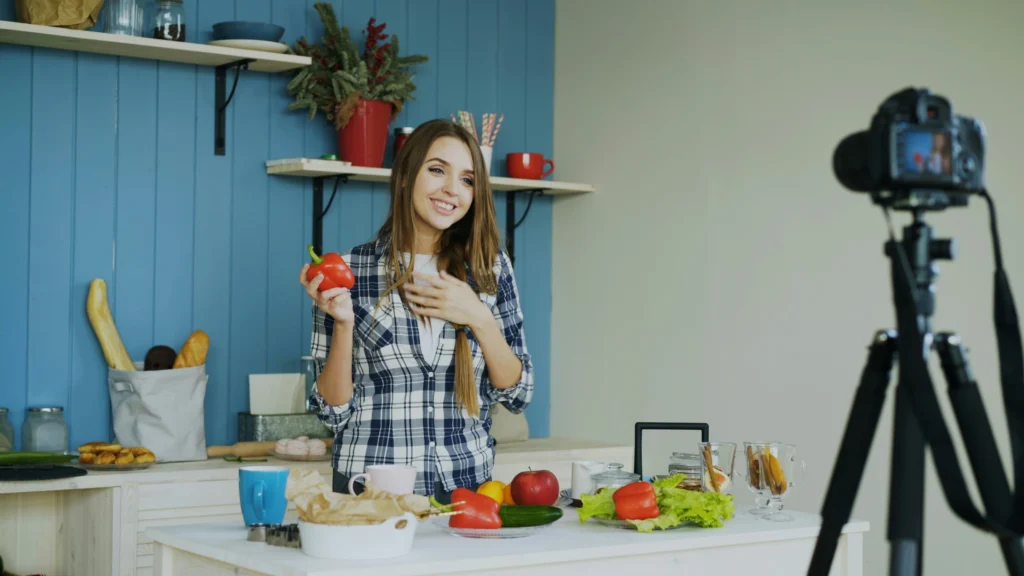
Food discovery no longer begins with a restaurant signboard. It begins with a reel. A swipe. A creator saying, “You have to try this.”
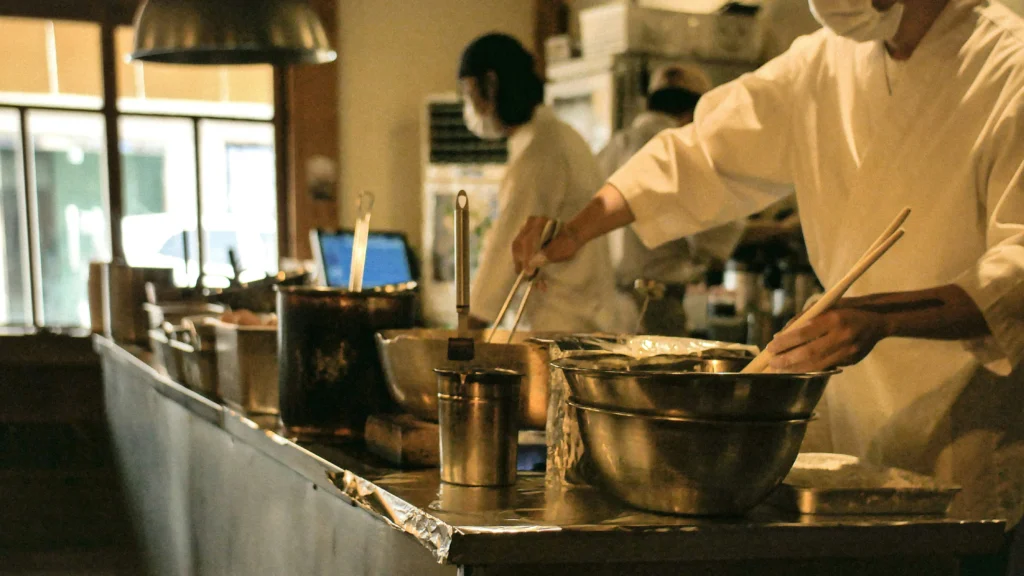
Dark kitchens and cloud brands have quietly rewritten the rules of the food business, and influencers are now their loudest, most effective amplifiers. In 2026, some of the most talked-about food brands don’t even have a dining space. What they have instead is visibility, story, and creators who know how to make food feel irresistible through a screen.
This is not just a delivery-first revolution. It’s a discovery-first one.
Why dark kitchens and cloud brands need creators to survive
Dark kitchens solve a business problem. Lower rent. Faster scaling. Menu experimentation without long-term risk. But they create a new challenge too: invisibility. When there’s no physical storefront, discovery becomes digital by default. And that’s where influencers step in.
Food influencers are no longer just reviewers. They are discovery engines. A single reel can replace months of paid ads. A creator’s endorsement often feels more trustworthy than an app rating. Especially when food is involved.
Also Read: What can food bloggers do beyond restaurant reviews?
Cloud brands understand this deeply. Instead of spending on billboards or hoardings, they invest in creator-led storytelling. Behind-the-scenes kitchen tours. Menu drops teased through Instagram stories. Honest taste tests. Late-night cravings shot in low light with high emotion.
Creators bring context. They tell you when to order, what mood it fits, and whether it’s worth your money. That nuance is hard to achieve through banners or discounts.
What’s also changing is how creators are chosen. Brands are moving away from massive follower counts and focusing on hyper-local influence. A creator with 20,000 followers in Andheri or Indiranagar can drive more orders than a national face. Geography matters again, just digitally.
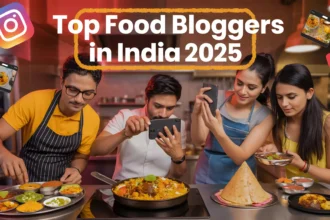
Also Read: Top food bloggers in India redefining home cooking and digital food culture
Dark kitchens are also co-creating with influencers. Limited-edition menus. Creator-curated combos. Signature sauces. This turns influencers from promoters into stakeholders in the brand’s story.
How influencers are rewriting food discovery habits
Food discovery today is emotional, not transactional. People don’t ask, “What’s the best restaurant?” They ask, “What should I eat tonight?” Influencers answer that question daily.
Short-form video has completely changed how food is marketed. The slow pan of melted cheese. The crunch sound. The first bite reaction. These are not accidents. They are carefully crafted hooks that trigger instant cravings.
Creators also shape timing. Late-night food. Post-workout meals. Period cravings. Comfort food for solo evenings. Influencers don’t sell dishes. They sell moments.
Another big shift is the rise of mood-based brands. Cloud kitchens are designing menus for specific cravings—protein bowls, indulgent desserts, guilt-free snacks. Influencers help label these moods and make them relatable.
There’s also a growing trust economy. Audiences know creators are paid, but they still value consistency. If a food creator repeatedly orders from a cloud brand, that signals reliability. Trust builds slowly, but once built, it converts fast.
In 2026, many food influencers will also become founders. Launching their own cloud brands. Consulting for kitchens on menu design and content strategy. Acting as bridges between kitchens and consumers.
Food discovery has moved from menus to feeds. From addresses to algorithms. And influencers are the translators.
Dark kitchens and cloud brands may operate behind closed doors, but their success depends on what happens in public feeds. Influencers have become the new food critics, marketers, and storytellers rolled into one.
As food becomes more digital, discovery becomes more human. It’s about trust, mood, and moment. And the brands that understand this—by working closely with creators—are the ones getting ordered again and again.
Also Read: 3 powerful ways to build your food creator brand & become a top food influencer
FAQs
What is a dark kitchen or cloud kitchen?
A delivery-only food business with no dine-in space, operating primarily through online platforms.
Why do cloud brands rely so heavily on influencers?
Because influencers drive visibility, trust, and emotional connection in a crowded delivery market.
Do micro-influencers work better for food brands?
Yes. Local creators often deliver higher engagement and real orders than large generic accounts.
How do influencers make food look so appealing?
Through short-form video, sensory cues, storytelling, and relatable cravings.
Can influencers launch their own cloud brands?
Absolutely. Many are already doing it, using their audience as a built-in customer base.