




When you think podcasts, you think Spotify, Apple Podcasts, or YouTube. Netflix? Not yet. But that mental model may soon need an update.
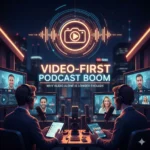
According to reporting by TechCrunch, Netflix has signed deals with iHeartMedia and Barstool Sports, alongside a recent agreement with Spotify, to secure exclusive video rights for select podcasts. The company is also reportedly in talks with SiriusXM. This isn’t a casual experiment. It’s a strategic move aimed squarely at YouTube, which has quietly become the world’s biggest podcast platform.
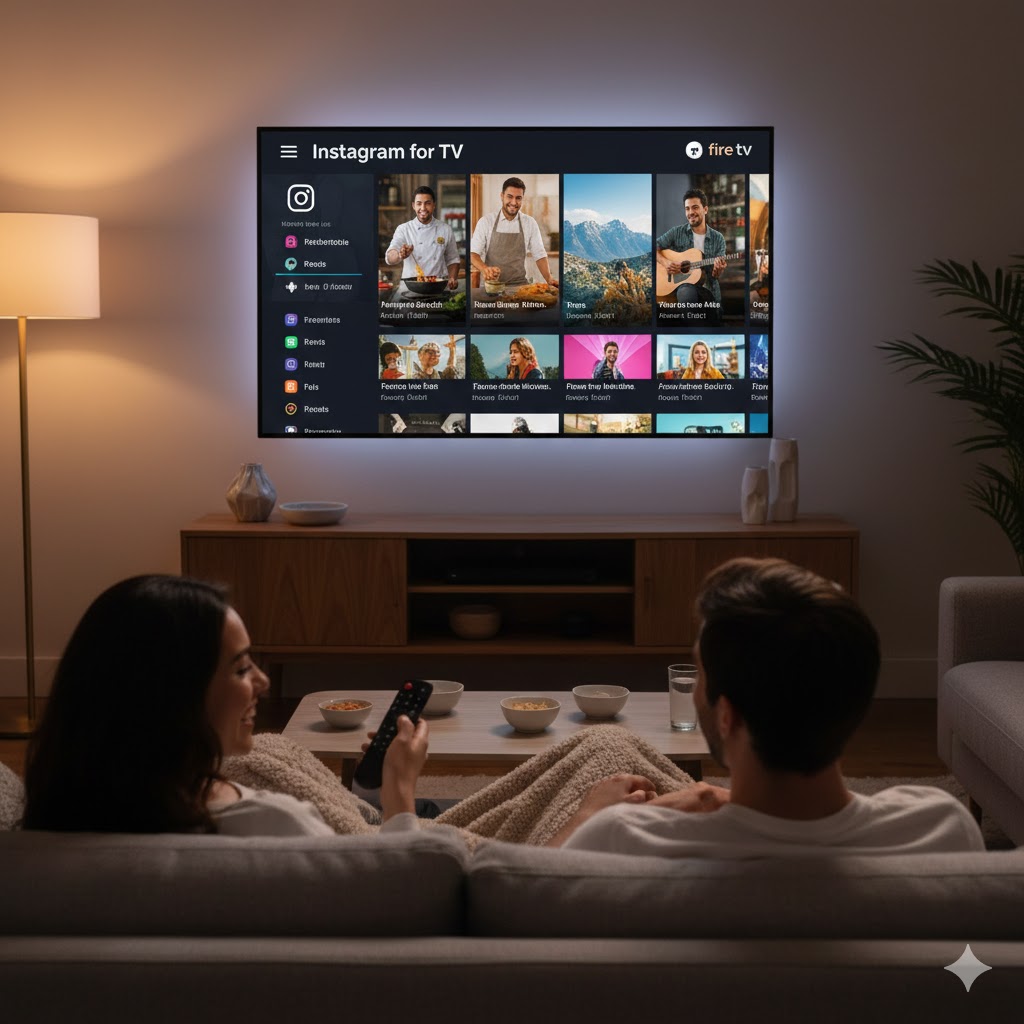
The numbers explain why. YouTube says viewers watched more than 700 million hours of podcasts every month on living room devices in 2025, a sharp rise from 400 million hours the year before. Podcasts are no longer just something you listen to while walking or driving. They are something people watch on TVs, often in the background, much like daytime television once was.
Also Read: AAP leader Raghav Chadha on changes in Copyright Law for creators
From Netflix’s perspective, this is a threat and an opportunity. As traditional TV viewing declines and attention shifts to low-cost, creator-led formats, podcasts start to look like long-form engagement machines. As entertainment lawyer Matthew Dysart told TechCrunch, podcasts can sometimes command more total watch time than scripted shows, making them extremely attractive to a platform built on retention.
Netflix doesn’t want to lose that attention battle by default.
Why creators are divided on the video podcast gold rush
While Netflix’s interest validates podcasts as mainstream entertainment, creators themselves are far from unanimous in their excitement.
According to TechCrunch, some podcasters see video as inevitable. Independent creators like Mike Schubert and Sequoia Simone launched their new show “Professional Talkers” as a video-first production, leaning into platform momentum. The logic is simple: if people are watching, why not meet them where they are?
But others are sceptical. Many creators built their audiences on audio intimacy, not visual performance. Podcaster Ronald Young Jr., quoted by TechCrunch, summed it up bluntly: who exactly is the pivot for? Often, the answer seems to be advertisers, executives, and platforms, not listeners.
There’s also historical baggage. Podcast creators still remember Spotify’s aggressive buying spree, which inflated valuations, consolidated power, and eventually led to layoffs and studio shutdowns. That bubble left scars. So, when another Big Tech company enters the space with deep pockets, scepticism is natural.
Netflix’s approach, so far, looks more cautious. Unlike Spotify, it hasn’t started writing massive cheques to individual creators yet. Instead, it’s partnering with established media companies. But industry watchers believe this is just phase one. Dysart told TechCrunch he expects Netflix to eventually pursue nine-figure deals with top podcast personalities and launch original, high-profile shows.
At the heart of this debate is a bigger question: what even counts as a podcast anymore? As creator Eric Silver noted to TechCrunch, the word has become elastic. It now covers everything from video conversations to scripted audio fiction. Netflix’s push risks flattening that diversity into a single, screen-first format.
Also Read: Year-end reflections: How creators reset for 2026
Netflix’s podcast play isn’t about killing audio. It’s about owning attention. If people are already treating podcasts as background companions, replacing soap operas and reruns, Netflix wants to be the default screen they live on.
For creators, this moment demands clarity. Not every show needs video. Not every audience wants faces with their voices. But the platforms will keep nudging creators toward formats that maximise watch time and ad value.
The future of podcasts may not be audio versus video. It may be about choice. And about who controls the stage when podcasts become the new prime-time background.
FAQs
Is Netflix launching its own podcast app?
No. Netflix is integrating video podcasts into its existing streaming platform.
Will audio-only podcasts disappear?
Unlikely. Audio remains essential for scripted storytelling, news, and on-the-go listening.
Why is YouTube central to this shift?
YouTube already dominates podcast watch time, especially on TVs, making it the benchmark Netflix wants to challenge.
Should podcasters switch to video now?
Only if it fits their audience and format. Video adds cost, complexity, and performance pressure.
Is this another podcast bubble?
Creators fear it could be, but Netflix’s slower, more calculated approach suggests less risk than past platform moves.