




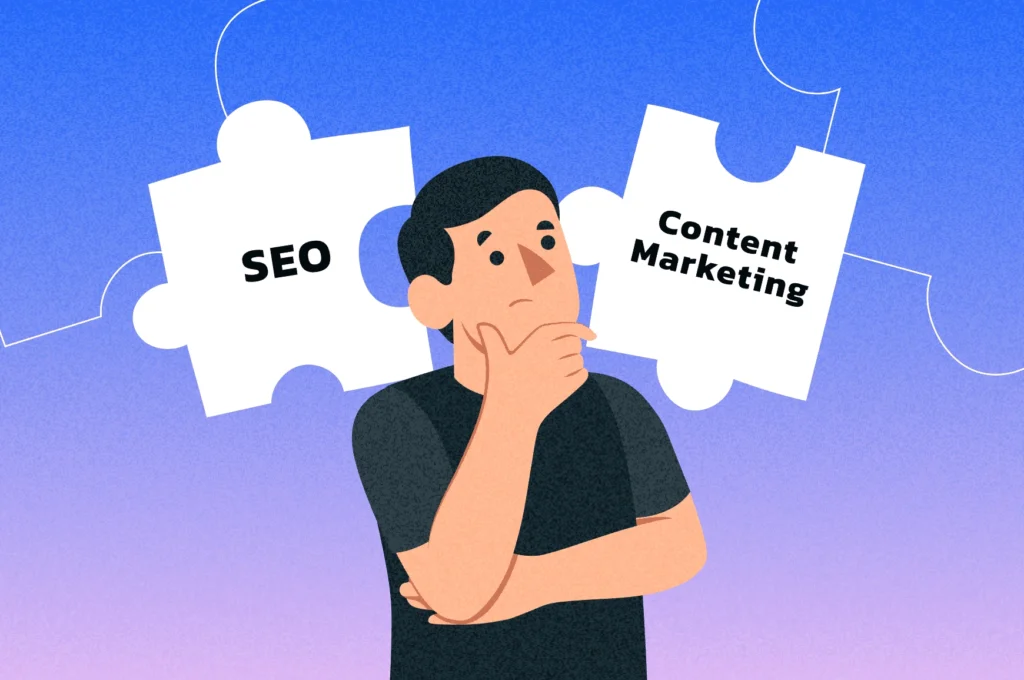
There was a time when search engine optimization was the only thing that mattered. If you used the right keywords and built enough links, you won the traffic game. However, a strange thing happened along the way. While websites were busy trying to please search engines, they forgot to please the actual people reading the words.
Today, many users feel a sense of “content fatigue.” They click on a link expecting an answer, only to find a 2,000-word essay filled with repetitive fluff and keyword stuffing. This approach might get a click, but it rarely builds reader loyalty. In fact, it often does the opposite. When a reader feels like their time is being wasted, they leave and they might never come back. This is the hidden cost of putting SEO driven content above human value.
The Rise of the “Answer Engine”
Artificial intelligence has completely changed how we search. Instead of scrolling through a list of ten blue links, people are now asking AI for direct answers. This means that generic, surface-level articles are losing their purpose. If an AI can summarize the “top 5 tips” for a topic in three seconds, why would a reader visit a website that offers nothing more than those same five tips?+1
What is replacing the old way of doing things is a focus on human centric content. People are no longer just looking for data, they are looking for perspective and experience. They want to know what a real person thinks and they want to see the “why” behind the “what.”
Why Human Connection is the New SEO
The new era of the internet is built on digital trust. Google itself has updated its guidelines to prioritize “Experience, Expertise, Authoritativeness, and Trustworthiness,” often called E-E-A-T. This isn’t just a technical update, it is a sign that the internet is trying to become more human again.
To win back reader loyalty, creators are shifting toward value driven storytelling. This means sharing personal anecdotes and real world failures or unique insights that an AI simply cannot replicate. An authentic voice acts as a signature that tells the reader, “A real person wrote this for you.” When you prioritize user engagement over search engine algorithms, you build a community rather than just a traffic report.
The Shift to Value Driven Storytelling
So, what does the future of search look like? It looks like a partnership between technology and humanity. While we still need to understand how search engine optimization works, it should be the map and not the destination.
A successful content strategy now involves:
- Empathy: Understanding the reader’s problem before trying to sell a solution.
- Originality: Moving past AI content generation to provide unique data or opinions.
- Consistency: Showing up with a reliable and authentic voice that people recognize.
By focusing on a deep audience connection, brands can survive the decline of traditional clicks. If people trust you, they won’t just find you through a search engine, they will go directly to your site because they value your perspective.
Frequently Asked Questions
What is the main reason SEO driven content is failing?
The main reason is that it often lacks depth and original insight. When content is created only to rank, it tends to be repetitive and boring, which causes a loss in reader loyalty.
How can I make my content more human centric?
You can start by including personal experiences and original research. Avoid using too many technical terms and try to write like you are speaking to a friend. Focusing on value driven storytelling helps you connect with your audience.+1
Does SEO still matter in 2025?
Yes, search engine optimization still matters for discoverability, but it is no longer enough on its own. It must be paired with high quality and human content to be effective.
What is E-E-A-T and why is it important?
E-E-A-T stands for Experience, Expertise, Authoritativeness, and Trustworthiness. It is a framework used to judge the quality of content. It is vital for building digital trust and ranking well in modern search results