



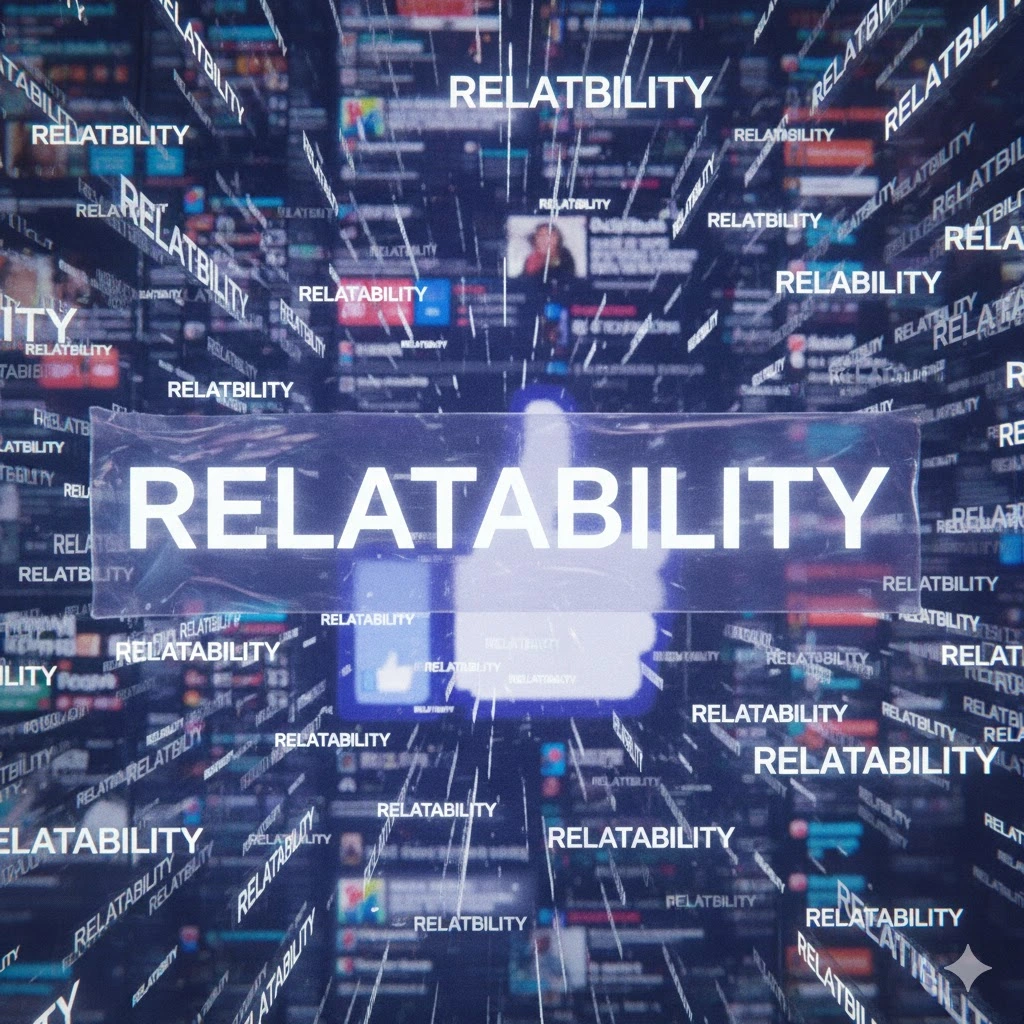
The constant need to be relatable is also a major cause of burnout from curated lives for the viewers. When we see a thousand people all being “relatable” in the exact same way, it stops being comforting and starts being boring. It feels like a sea of sameness where no one is willing to be exceptional or different. To fix this, we need to stop worrying so much about being like everyone else. We should focus on being our true selves even if that means we are not relatable to everyone all the time.
The Rise of Forced Normalcy
If you spend a few minutes on social media, you will see creators trying hard to be just like you. They show messy rooms or no makeup to achieve relatability in social media. While this started as a breath of fresh air, many now feel that is relatability overused to the point of feeling fake.
When Messiness Becomes a Script
Being “normal” has turned into a formula. In the past, seeing a celebrity do something ordinary felt like a real human connection online. Today, creators follow a script because they know flaws get more likes. This makes us question authentic vs relatable content. If a mess is planned for views, it is not actually authentic.
The Reality Gap
There is a dark side called the myth of being relatable. Many top influencers live luxury lives that are not ordinary at all. When they pretend to have the same daily struggles as everyone else, it can feel dishonest. We are trying to fit into a tiny box of shared experiences instead of being unique.
Also Read: Why every creator needs a clear promise and how to define yours
New Shifts in 2025
Our one way connections with creators are changing. As the illusion of being “best friends” breaks, influencer marketing trends 2025 are moving toward being helpful rather than just relatable. People are experiencing burnout from curated lives and are tired of seeing the same “relatable” posts over and over.
Moving Beyond the Mirror
The word relatability has lost its magic because it became a tool for growth instead of a way to connect. We do not need everyone to be a mirror of ourselves. The future belongs to those who are brave enough to be unique. By moving past this overused word, we can finally find a real and honest connection.
Frequently Asked Questions
Why does relatability feel fake on social media now?
It often feels fake because it has become a marketing strategy where creators plan their “unfiltered” moments to get more likes and comments.
What is the difference between being authentic and being relatable?
Authenticity is about being true to your own unique journey, while relatability is often about trying to mimic the common experiences of the crowd.
How is relatability affecting content creators?
Many creators face burnout because they feel they must constantly share personal struggles or messy parts of their lives just to keep their audience interested.
Are influencer trends changing in 2025?
Yes, audiences are starting to value expertise and genuine interest over people who just try to act like a “best friend” for clicks.