




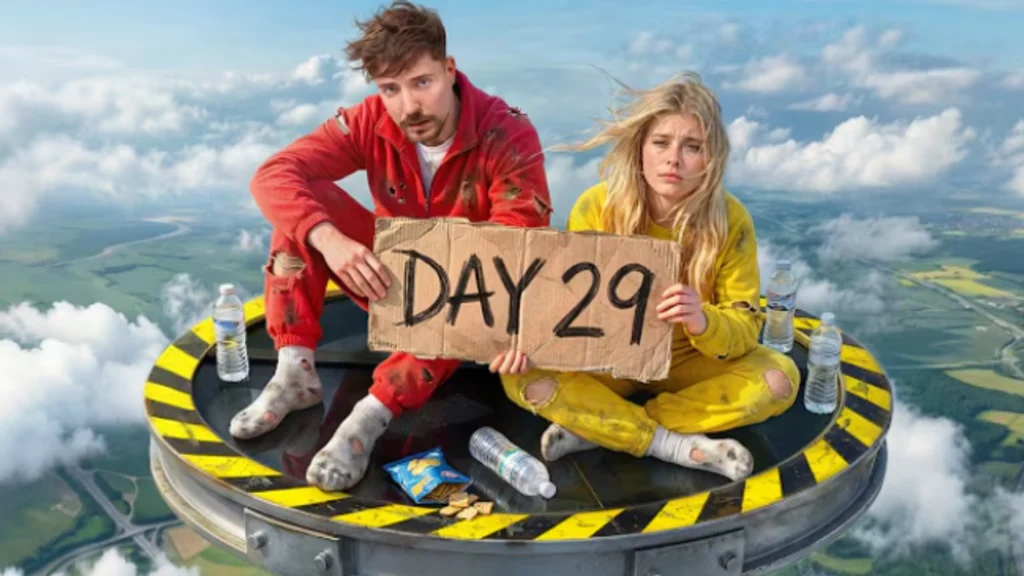
MrBeast did not just win the internet. He built a factory behind it.
While most creators chase views, Jimmy Donaldson aka MrBeast focused on something more durable. The core of his enterprise was built on infrastructure, which included cameras, studios, teams, processes, and capital flows. Viral videos were never the end goal. They were the fuel. This distinction explains why MrBeast is not just a YouTuber anymore, but a media company, a consumer brand and a scalable business.
For Indian creators entering a maturing creator economy, this shift, from attention to infrastructure, offers a powerful blueprint.
Building sustainable repeatable systems
MrBeast’s early success followed a familiar pattern: extreme stunts, big giveaways, and algorithm-friendly hooks. What made him different was what happened behind the scenes. Instead of pocketing profits or slowing down, he reinvested almost everything back into production.
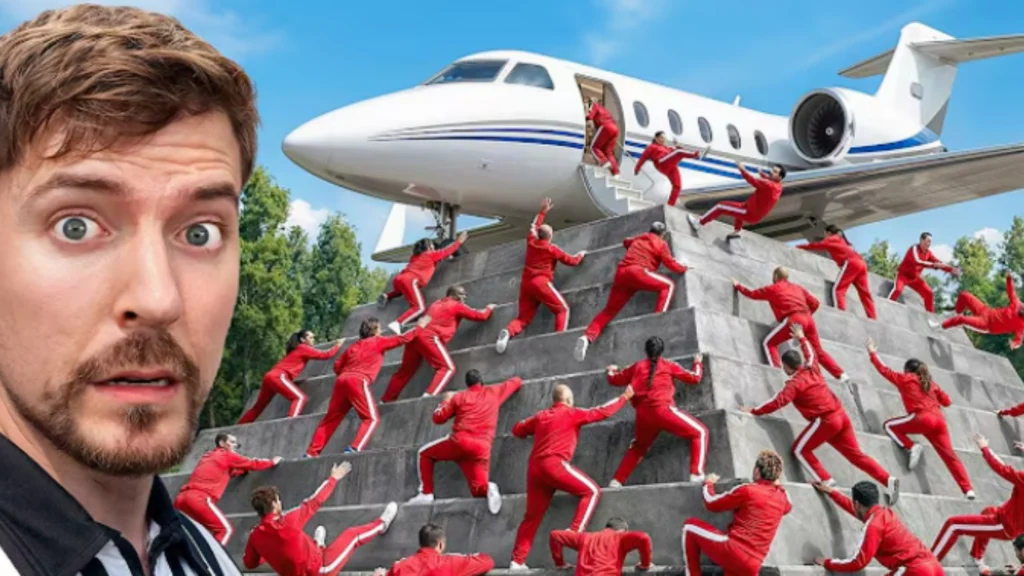
Each video became more expensive, more complex and more system-driven. Dedicated teams handled ideation, logistics, filming, editing, compliance and distribution. Over time, content creation stopped being a hustle and started functioning like manufacturing with predictable inputs, repeatable processes and scalable output.
This infrastructure-first mindset reduced creative burnout and increased creative ambition. Bigger sets. More impact. Higher stakes. And crucially, higher consistency. MrBeast did not rely on mood or inspiration. He relied on systems.
Also Read: Why Ekaki matters: A new pathway for influencers
For Indian creators, this is a vital lesson. Growth plateaus when creators try to do everything themselves. Scale begins when content becomes operationally repeatable.
Monetising attention without diluting trust
Another reason MrBeast stands apart is how he monetised attention without eroding audience trust. Brand deals were selective. Monetisation was integrated, not intrusive. Most importantly, he built owned businesses alongside content.
Feastables turned audience goodwill into a consumer brand. MrBeast Burger tested the creator-led food business model at scale. Philanthropy channels reinforced credibility and emotional connection. Each vertical had its own team, metrics and long-term vision.
This diversification ensured that revenue did not depend entirely on platform algorithms. YouTube was the engine, not the destination.
Indian creators often stop at ads and sponsorships. MrBeast shows that attention is most powerful when it funds assets. He has ticked all check boxes for brands, IP, teams and distribution. When monetisation adds value to the audience experience, trust compounds instead of eroding.
Indian creators must adapt, not copy
Indian creators should not copy MrBeast’s scale or spectacle. The budgets, audience size and market dynamics are different. What is transferable is the thinking.
First, reinvest early. Treat initial revenue as growth capital, not lifestyle income. Second, separate roles. Creator, editor, strategist and operator cannot be one person forever. Third, build beyond platforms. Newsletters, communities, products and IP create stability in a volatile algorithm-driven world.
Finally, think long-term. MrBeast plays decade-long games. He builds for durability, not momentary fame. That mindset is still rare but increasingly necessary in India’s crowded creator ecosystem.
Virality fades. Algorithms change. Audiences move on. Infrastructure remains.
Also Read: Remembering Anunay Sood, the travel influencer who inspired a generation
MrBeast’s greatest achievement is not views or subscribers. It is the ability to produce impact at scale, repeatedly, without burning out or breaking trust. For Indian creators serious about longevity, the lesson is clear. Do not just chase attention. Use it. Convert it. Build with it.
The future of the creator economy belongs not to the loudest creators, but to the most structured ones.
Frequently Asked Questions
What does “turning attention into infrastructure” mean?
It means using views and reach to build teams, systems and businesses.
Why is MrBeast’s model different from other creators?
He reinvests heavily and builds repeatable systems instead of relying on virality.
Can Indian creators replicate this model?
Not at the same scale, but the mindset and structure are adaptable.
What is the biggest takeaway for Indian creators?
Build systems early and monetise through owned assets, not just ads.
Is this strategy relevant for small creators?
Yes. Infrastructure starts small, with processes, not people.
Images courtesy: Youtube.com