




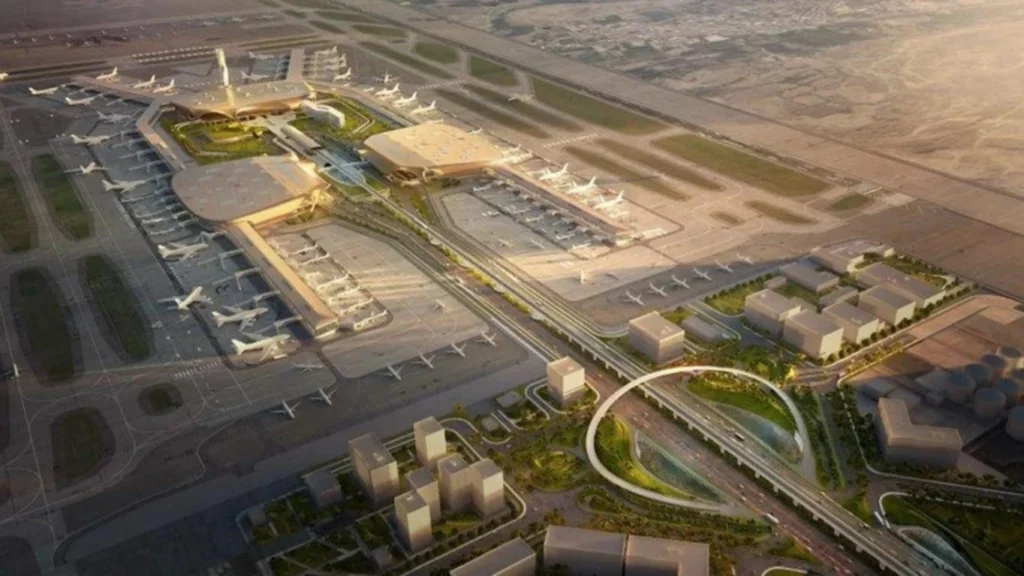
When Navi Mumbai International Airport (NMIA) officially opened its doors, the first videos circulating online were not engineering explainers or terminal maps. Instead, audiences saw filmmaker and choreographer, and recently turned influencer, Farah Khan walking through the space, admiring art installations, chatting about food, and casually interviewing representatives from the Adani Group. It was unexpected. And precisely for that reason, it worked.
The launch marked a shift in how large infrastructure projects in India are being introduced to the public. NMIA did not position itself only as a solution to Mumbai’s air traffic congestion. It positioned itself as a destination. A place to pause, look around, and feel something before boarding a flight.
From Transit Hub to Cultural Showcase
Globally, airports are no longer marketed as neutral, functional spaces. They are brand assets. Singapore’s Changi Airport set the gold standard by turning layovers into leisure experiences, with gardens, art, retail and the iconic Jewel complex. The airport acts as a distilled version of Singapore itself. It is efficient, aesthetic and visitor-friendly.
Also Read: Why Some Influencers Survive Algorithm Changes and Others Don’t
Navi Mumbai International Airport appears to be taking a similar approach, adapted to the Indian context. The terminal design, art installations and curated food experiences are meant to communicate more than capacity and scale. They signal ambition. They suggest that the airport is a gateway not just to Mumbai, but to a modern, globally competitive India.
This is where influencer storytelling becomes relevant. Traditional press coverage explains what an airport has. Influencers show how it feels. Farah Khan’s walkthrough did not decode technical features. It humanised the space. Viewers experienced the airport through her curiosity, humour and familiarity, much like a first-time traveller would.
Why influencers work for infrastructure launches
Using a mainstream, widely recognisable personality like Farah Khan served multiple strategic purposes. First, it expanded reach beyond aviation enthusiasts or business news readers. Her audience cuts across age groups and regions, ensuring the airport entered everyday conversations, not just industry headlines.
Second, the content reframed the narrative. Instead of “another large infrastructure project,” NMIA became a place worth talking about. Restaurants, art, scale and design became talking points. The airport was positioned as aspirational, not intimidating.
Third, the visibility benefitted the Adani Airports brand. By participating in an informal, accessible format, the group aligned itself with transparency, confidence and modernity. It was soft power marketing. And it was subtle, effective and highly shareable.
Also Read: Why Ekaki matters: A new pathway for influencers
In an era where attention is currency, influencer-led launches help infrastructure projects compete with entertainment, lifestyle and travel content in the same digital ecosystem.
Navi Mumbai International Airport’s opening demonstrated that even large-scale public infrastructure can benefit from contemporary marketing thinking. By leveraging influencers like Farah Khan, the airport’s stakeholders shifted focus from utility to experience, from announcement to engagement. The result was widespread visibility, positive curiosity and a strong first impression. In today’s attention economy, that may be just as important as runways and terminals.
Frequently Asked Questions
Why was Farah Khan chosen to showcase Navi Mumbai International Airport?
Her mass appeal and conversational style helped present the airport as approachable and experiential rather than technical.
Is influencer marketing common for airport launches globally?
Yes. Many international airports use creators to highlight design, food and culture.
How did this strategy help publicity?
It increased reach, social media engagement and positioned the airport as a destination.
Does this replace traditional media coverage?
No. It complements it by adding emotional and visual storytelling.