



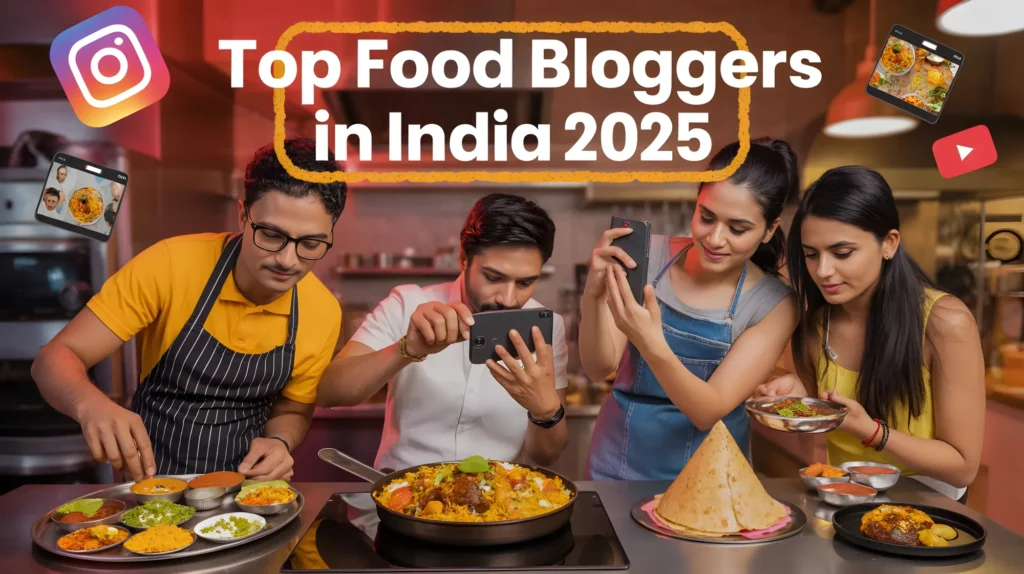
The way we experience food has moved far beyond the walls of a traditional kitchen or a printed recipe book. In 2026, the real kitchen is digital and the most influential chefs are those who speak to us through our screens. Food creators have moved from being simple hobbyists to becoming powerful cultural trendsetters who decide what we eat and how we order and where we hang out. By blending lifestyle and health and technology, these creators are redefining the very fabric of our food industry. From the rise of clean eating trends to the invisible growth of delivery networks, their impact is visible on every plate.
The Rise of Clean Eating as a Lifestyle
One of the most significant shifts driven by food creators is the mainstream adoption of clean eating trends. It is no longer a niche movement for athletes but a global standard for the average consumer. Creators are using their platforms to demystify complex nutritional labels and show that healthy food can be delicious and visually stunning. They focus on whole foods and plant based eating and gut health while making these concepts accessible to everyone. Because these cultural trendsetters share their personal wellness journeys, their followers feel inspired to make similar changes. This has led to a massive demand for transparency in ingredients and a move away from highly processed options.
Also Read: Food influencers are helping dark and cloud brands
Cloud Kitchens: The Invisible Revolution
While we see the beautiful meals on our feeds, there is an invisible infrastructure growing behind the scenes. Cloud kitchens have become the backbone of the modern food industry and their growth is directly tied to social media. When food creators go viral with a new “hack” or a specific dish, cloud kitchens allow brands to launch that exact menu item in a matter of days without the need for a physical storefront. These virtual dining models are highly efficient and allow for rapid culinary innovation. Because there is no dining room to maintain, these businesses can focus all their energy on food quality and creative packaging which is exactly what the modern digital consumer craves.
The Evolution of Modern Cafe Culture
Despite the rise of delivery, our desire for physical connection remains strong and this is where cafe culture is evolving. Today, a cafe is not just a place to grab a coffee but it is a “third place” designed for community and creativity. Food creators have turned cafes into aesthetic hubs where design and lighting are just as important as the latte art. These cultural trendsetters highlight unique “experience-first” cafes that offer more than just a menu. Whether it is a cafe that focuses on artisanal sourdough or a space dedicated to functional mushroom coffees, the trend is always driven by what looks and feels good on social media.
Also Read: How India eats today is far more complex than we think
Turning Viral Views into Real World Action
The true power of food creators lies in their ability to bridge the gap between a screen and a stomach. They are the new search engines for restaurant discovery. In 2026, most people under thirty do not check map apps to find food and they check their favorite creator’s latest video. This influence creates real-world footfall for small cafes and massive order volumes for cloud kitchens. By providing authentic food reviews, these creators build a level of trust that traditional advertising simply cannot buy. When they endorse a brand or a lifestyle, their audience listens because they value the human connection and the shared values of the creator.
The Creator Economy 2026 and Future Trends
As we look deeper into the creator economy 2026, the role of the food influencer is becoming more professional and integrated. We see creators launching their own cloud kitchens and curated food boxes and even their own cafe chains. They are no longer just talking about the trends and they are creating the products themselves. This shift toward digital food trends ensures that the industry remains fast and responsive and deeply connected to what people actually want. The future of food is no longer dictated by massive corporations alone but by the individuals who understand the pulse of the people.
Sustainability and Conscious Choices
Finally, these cultural trendsetters are pushing the industry toward a more sustainable future. They often highlight zero-waste cooking and eco-friendly packaging and ethical sourcing. By making sustainability look “cool” and achievable, they are encouraging both consumers and businesses to do better. Whether it is a cloud kitchen using biodegradable containers or a cafe sourcing beans from a specific regenerative farm, these choices are celebrated online. This collective push for a better food system is perhaps the most lasting legacy of the modern food creator.
FREQUENTLY ASKED QUESTIONS
How do food creators influence what I eat?
Food creators act as digital guides who introduce new ingredients and cooking techniques and dining spots. By sharing their personal experiences and visually appealing content, they make certain foods and lifestyles feel more desirable and achievable for their followers.
What exactly is a cloud kitchen?
A cloud kitchen is a professional food preparation facility that only handles delivery and takeout orders. It has no physical dining area for customers and it allows brands to operate with lower costs and greater flexibility in the digital market.+1
Why is clean eating so popular on social media?
Clean eating is popular because it aligns with the broader focus on health and wellness and longevity. Creators show that eating whole and unprocessed foods can be simple and tasty which helps their audience feel more empowered about their health choices.