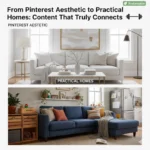





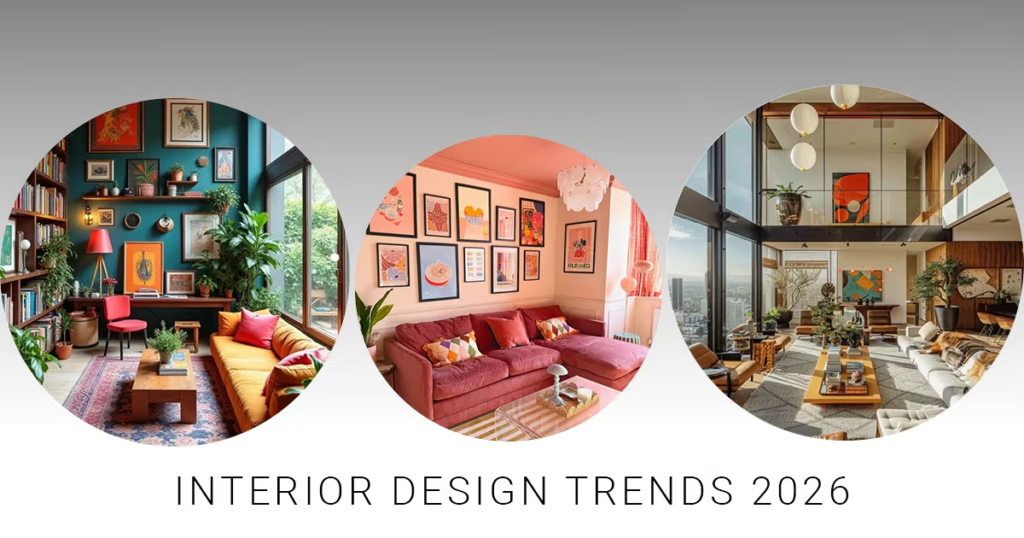
In the earlier days of social media, our living rooms and kitchens were often just the background for fashion hauls or cooking tutorials. We looked at the person and the outfit but we rarely focused on the lamp in the corner or the texture of the rug. However, as we move through 2026, a massive shift has occurred in the digital world. Home decor content has moved from the sidelines to become the primary source of lifestyle authority. Today, the way we curate our personal spaces is seen as the ultimate reflection of who we are and what we value.
This change happened because our homes have become the center of our entire universe. With hybrid work and a deeper focus on mental health, the environment we wake up in every day matters more than the clothes we wear outside. Lifestyle authority is no longer about where you travel or what you buy but how you live within your own four walls. People are looking for home aesthetics 2026 that prioritize peace and function and beauty all at once.
Building Deeper Audience Trust Through Design
One of the biggest reasons why home decor content has taken over is the high level of audience trust it creates. When a creator shows you their home, they are letting you into their most private sanctuary. It feels much more intimate than a polished studio shoot. When we see a creator struggle with a DIY paint project or celebrate a small corner makeover, we feel a human connection that is hard to find in other niches.
This authenticity is a huge part of digital creator influence today. Viewers are tired of seeing influencers in different hotels every week. They want to see someone who is building a life and a home over time. This slow and steady approach to sharing one’s life creates a bond that is much stronger than fleeting trends. By sharing authentic home decor choices, creators show that they value quality and comfort over fast fashion and quick clicks.
Also Read: Influencer led home decor ideas
Home Decor as a Tool for Mindful Living
As the world outside feels more chaotic, the demand for mindful living spaces has skyrocketed. We no longer just want a house that looks good on camera; we want a home that feels good for our souls. Home decor content now serves as a guide for emotional well being. Creators are teaching us how to use lighting to boost our mood and how to use natural materials like wood and stone to feel more grounded.
This focus on wellness is a major part of interior design trends in 2026. People are following creators who can show them how to turn a small apartment into a sanctuary. Whether it is through a “zen den” for meditation or a well organized home office, these home styling tips are about improving the quality of our daily lives. This is why home experts are now seen as the new life coaches. They are helping us build the foundation for a better life starting with the space around us.
The Creator Economy and the Business of Home
The creator economy trends of 2026 show that home focused content is incredibly profitable. Brands are moving their budgets away from traditional ads and toward creators who can show a product in a real and lived in setting. A vacuum or a candle or a piece of furniture feels much more appealing when we see it being used in a real home.
Because home decor content has such high engagement, creators in this space are becoming the new power players. They are not just influencers; they are designers and curators and consultants. They use their digital creator influence to launch their own product lines or offer virtual room consultations. This professionalization of the niche is a sign that the home is the most stable and growing area of the lifestyle market.
Why This Trend Is Here to Stay
Finally, the reason home content has such staying power is that it is universal. Everyone has a home and everyone wants that home to be better. Unlike niche hobbies, home aesthetics 2026 appeals to all ages and backgrounds. Whether you are a student decorating a dorm or a family renovating an old house, there is a piece of content for you.
As we look forward, the creators who focus on authentic home decor and mindful living spaces will continue to lead the way. They provide a sense of stability and inspiration that people crave. By teaching us how to care for our spaces, they are ultimately teaching us how to care for ourselves. This is the true power of the new lifestyle authority.
Frequently asked Questions
Why is home decor more popular than fashion in 2026?
Fashion is often about how the world sees us, but home decor is about how we feel when we are alone or with family. In 2026, people are prioritizing their internal comfort and mental health over external appearances. This has made home decor content more relatable and essential for daily life.
How can I start my own home decor channel as a small creator?
The best way to start is by focusing on authentic home decor. You do not need a mansion to be an authority. Start by showing how you organize your small spaces or how you style a coffee table. Use simple home styling tips and be honest about the process. Your unique point of view is what will build audience trust.
What are the biggest interior design trends for this year?
The biggest interior design trends include “warm minimalism,” biophilic design which brings nature indoors, and multifunctional furniture. There is also a huge move toward sustainable and upcycled pieces. People want homes that tell a story and reflect their personal values rather than looking like a generic showroom.
Do I need an expensive camera to create home aesthetics 2026 content?
No, modern smartphones are more than enough to capture beautiful home content. The most important thing is natural light and a steady hand. Focus on the storytelling and the “why” behind your design choices. Your digital creator influence comes from your ideas and your personality rather than just your equipment