




The way we decide what movie to watch on a Friday night has changed dramatically over the last few years. In the past a few powerful film critics in major newspapers held the keys to a movie’s success or failure. But as we move through 2026 the spotlight has shifted toward a new generation of voices. Entertainment influencers are now the most trusted source for movie recommendations and their impact on the box office is undeniable. This shift has happened because the average moviegoer no longer feels connected to the technical jargon of professional critics and they prefer the authentic movie reviews found on social media.
Power of relatability and shared experience
The main reason for the high trust in influencer reviews is the element of relatability. Traditional film critics often look at a movie through a lens of academic perfection, and they focus on cinematography and pacing and complex metaphors. While this is valuable for film students the general audience just wants to know if a movie is fun or emotional or worth their time. Entertainment influencers speak the language of the fan, and they share their honest reactions from a place of genuine passion. When a YouTube movie reviewer gets excited about a superhero film or cries during a drama the audience feels a peer-to-peer connection that a formal written review cannot replicate.
Immediacy and speed of social media
In the fast-paced world of 2026 speed is everything. Traditional media often follows a slow process of writing and editing and publishing which can take days. On the other hand, entertainment influencers provide instant feedback. TikTok film trends often start minutes after a premiere as creators post short and punchy reaction videos from their cars or outside the cinema. This immediacy helps in building audience trust because it feels like a real time conversation. By the time a traditional critic has published a thousand word essay the audience has already moved on to the next viral trend.
Also Read: Why Viral Moments Matter in the Attention Economy
For a long time, traditional critics acted as gatekeepers who decided what was “good” or “bad” art. This often created a gap between what critics liked and what the public actually enjoyed. Entertainment influencers have democratised film criticism by showing that everyone’s opinion matters. They are often more transparent about their biases, and they admit when they are fans of a certain actor or genre. This honesty is a breath of fresh air compared to the perceived elitism of traditional media. Audiences in 2026 value this transparency and they feel that influencers are more likely to give a fair warning about a movie because they are protecting their own digital reputation.

Traditional film criticism is a one-way broadcast where the critic talks and the audience listens. Entertainment influencers have turned this into a two-way street. Through comments and live streams and polls these creators engage with their followers and answer specific questions about a film. This interaction is a huge part of why there is more trust in influencer reviews. When a creator takes the time to reply to a fan it strengthens the bond and makes the audience feel like they are part of a community. This community driven approach to movie recommendations makes the advice feel more like a tip from a friend rather than a lecture from a stranger.
Influence of platform native formats
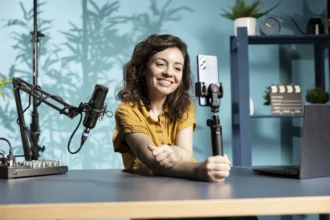
The way content is consumed today also favors the influencer. Most people get their information through short form videos like Reels or Shorts, which are perfectly suited for entertainment influencers. These creators know how to use humor and music and creative editing to make a movie review engaging. Traditional film critics who stay stuck in long form text formats are finding it harder to reach the younger generation. The digital audience growth is happening on platforms where personality is the most important factor and influencers are the masters of building an authentic digital identity that people want to follow.
Also Read: What Makes a Podcast Binge-Worthy in the Indian Market?
As we look at the entertainment landscape of 2026 it is clear that the definition of an expert has changed. While professional critics still have a place in the industry for deep technical analysis the power of the audience has moved elsewhere. Entertainment influencers have won the trust of millions by being relatable and fast and honest. They have bridged the gap between the film industry and the fans and they are setting the agenda for what we watch. In the end we trust the people who feel like us and that is why the future of film reviews belongs to the creators.
FREQUENTLY ASKED QUESTIONS
Why do people trust entertainment influencers more than professional critics?
People trust them more because influencers provide relatable and honest opinions that focus on the enjoyment factor of a movie rather than just its technical or academic merits.
Is traditional film criticism dying in 2026?
It is not dying but it is evolving. Traditional critics are having to move toward digital and video formats to stay relevant as the audience shifts toward shorter and more interactive content.
How do entertainment influencers impact movie sales?
Influencers can create viral trends and massive hype through their reviews, and which leads to higher ticket sales and better performance on streaming platforms especially among younger demographics.
Do influencers get paid for their movie reviews?
Some influencers do work with studios for sponsored content and, but most successful creators maintain trust by being very transparent about their partnerships and giving honest reviews regardless of a deal.