



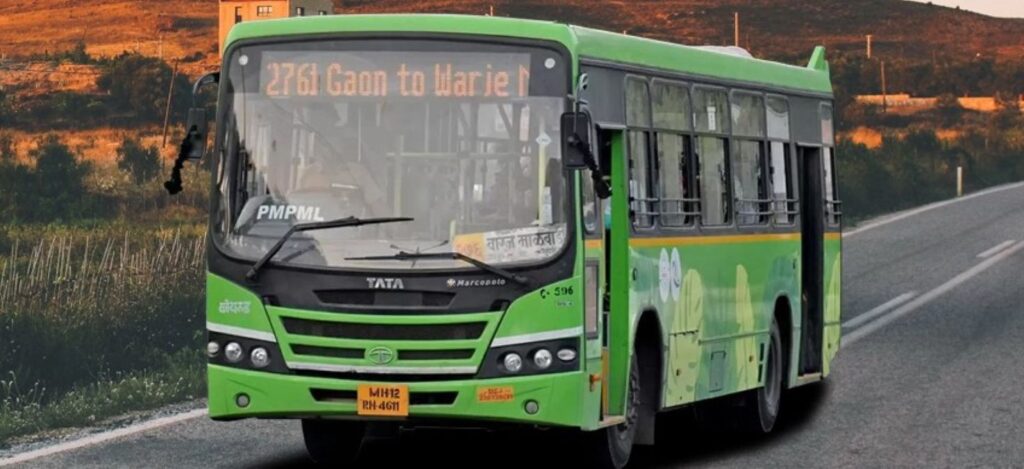
The creator economy thrives on spontaneity, but sometimes the line between creativity and misconduct gets dangerously blurred. In early January 2026, Pune Mahanagar Parivahan Mahamandal Limited (PMPML) issued a formal notice to Pune-based social media influencer Atharva Sudame (@atharvasudame) for allegedly filming female passengers inside a public bus without their consent and uploading the video online.
The incident has ignited a wider debate around passenger privacy, influencer responsibility, and the legal boundaries of content creation in public spaces. In an age where every moment is potentially monetisable, this case serves as a timely reminder that not everything is content.
What exactly happened inside the PMPML bus
According to PMPML officials, the influencer allegedly used PMPML-owned buses, official uniforms, e-ticketing machines, and identification badges to film content without prior authorisation. The transport body stated that the video in question was objectionable and amounted to an insult to female passengers, impacting their dignity, honour, and mental well-being.
In its notice, PMPML made it clear that permission is mandatory for any kind of filming within its premises or vehicles. The authority has directed the influencer to immediately remove the video and submit a written explanation within seven days, failing which legal action will be initiated under prevailing laws.
Also Read: The Good, The Bad, & The Fake: Influencers Educating & Misleading Audiences
PMPML Chairman and Managing Director Pankaj Deore stated that such incidents not only violate internal policies but also erode public trust in the city’s public transport system. For an organisation responsible for daily commuting safety, protecting passenger dignity is non-negotiable.
This is not just about one video. It is about how easily public infrastructure and unsuspecting individuals can be turned into props for social media engagement.
Why this case matters in the influencer economy
The PMPML notice arrives at a time when influencers are increasingly experimenting with “real-life” content, buses, metros, streets, cafés, airports. While these settings add authenticity, they also introduce legal and ethical risks.
Public does not mean permission-free. Filming inside a government-run transport system is subject to rules. Filming people, especially women, without consent can quickly escalate into a privacy and dignity violation, regardless of intent.
This case also highlights how brands, authorities, and audiences are becoming less forgiving. Viral reach no longer shields creators from accountability. In fact, it amplifies scrutiny.
Key lessons for influencers from the PMPML incident
-
- Consent is not optional. If a person is identifiable, permission is mandatory, especially in enclosed public spaces.
-
- Public infrastructure has rules. Buses, metros, airports, and stations often require written approvals for filming.
-
- Content impact matters more than intent. Even “harmless” videos can cause emotional or reputational harm.
-
- Authority backlash is real. Notices, takedowns, and legal action are now common responses, not exceptions.
-
- Ethics build longevity. Short-term views are never worth long-term credibility damage.
In 2026, responsible creators understand that virality without values is a dead end.
Also Read: From Viral Reels to Real Fame: Who’s Actually Winning India’s Creator Economy?
The PMPML notice is not an attack on influencer culture; it is a correction. As content creation becomes more immersive and real-world driven, accountability must grow alongside it. Public trust, passenger safety, and individual dignity cannot be collateral damage in the race for views.
For influencers, this moment is a wake-up call. For audiences, it’s reassurance that boundaries still exist. And for the creator economy at large, it reinforces a simple truth: good content starts with good judgment.
Frequently Asked Questions
Why did PMPML issue a notice to the influencer?
For allegedly filming female passengers without consent and using PMPML property without permission.
Is filming inside public buses illegal in India?
Filming without authorisation violates transport body policies and can attract legal action.
What action can PMPML take next?
If the video is not removed and an explanation not submitted, PMPML can initiate legal proceedings.
What should influencers learn from this case?
Always seek consent, follow local laws, and respect privacy, especially in public service spaces.
Does public space mean free-to-film?
No. Public access does not override privacy or institutional regulations.