





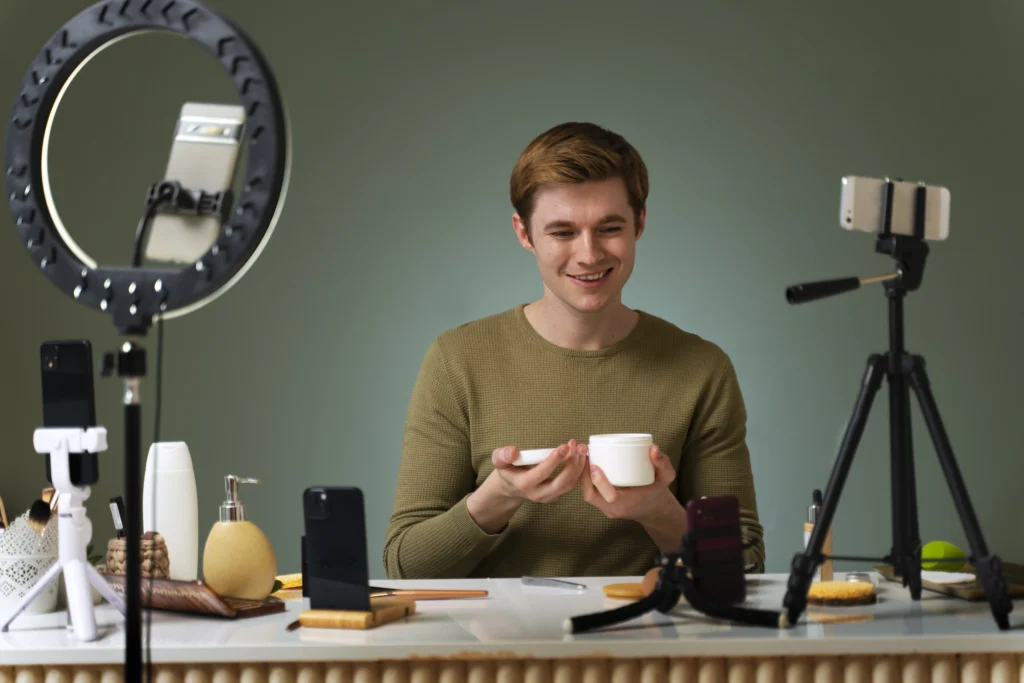
Influencer marketing has officially moved from “experimental” to essential. In 2026, it is one of the most trusted, scalable, and ROI-driven marketing channels globally. As audiences block ads and ignore brand noise, creators have become the new media houses.
A recent report by Demand Sage compiles the most important influencer marketing statistics of 2026 and distils them into clear, actionable insights. If you are a brand, marketer, or creator, these numbers explain where attention, trust and money are really flowing.
Market size, spend & ROI: Why brands are all in
- The influencer marketing industry is valued at $24 billion, growing at a steady double-digit pace.
- For every $1 spent, brands earn an average of $6.50 in return.
- 13 per cent of brands report earning more than $20 per $1 spent.
- Influencer ad spending worldwide is projected to hit $35.09 billion, with growth continuing through 2027.
- 63 per cent of marketers plan to increase influencer marketing budgets.
- Influencer marketing delivers 11x higher ROI than traditional digital marketing formats.
- 28 per cent of businesses say it is the fastest way to acquire new customers online.
Bottom line: Influencer marketing is no longer a “nice to have.” It is a performance channel.
Platforms, creators and changing influence patterns
Platform dominance
- Instagram leads influencer marketing usage at 80.8 per cent.
- Facebook (60.5 per cent) and TikTok (52 per cent) follow closely.
- Short-form video is king: 60 per cent of marketers say it delivers the best ROI.
Creator landscape
- Only 0.76 per cent of Instagram influencers have more than 1 million followers.
- The majority are nano and micro-influencers, making niche influence the norm.
- 76 per cent of marketers prefer working with micro-influencers over celebrities.
- 75 per cent of influencers want to collaborate only with brands that share their values.
Also Read: Why Educational Creators Are Winning Audience Trust in 2025
Audience behaviour
- 82 per cent of consumers trust influencer recommendations.
- 66 per cent of Gen Z, 56 per cent of millennials, and 55 per cent of Gen X are influenced by creators while shopping.
- 86 per cent of women turn to social media for buying advice.
- 31.5 per cent of users globally use ad blockers—making influencer content harder to ignore than ads.
The rise of AI influencers
- The AI influencer market is projected to reach $1.5 billion.
- 71 per cent of brands believe AI influencers can deliver higher ROI.
- However, only 23 per cent of users fully trust AI-generated content, signalling caution.
The 2026 data make one thing clear: influence has become infrastructure. Brands are no longer competing for eyeballs but for trust. Micro-influencers, short-form video, and value-aligned partnerships are driving the next phase of growth, while AI is emerging as both an opportunity and a risk.
Also Read: What No One Tells You Before You Become a Full-Time Creator
For marketers, success now lies in precision, authenticity, and adaptability. For creators, credibility is the real currency. And for audiences, influence feels more human than ever.
Frequently Asked Questions
Is influencer marketing still growing in 2026?
Yes. The industry is valued at $24 billion and continues to grow steadily.
Are micro-influencers more effective than celebrities?
Often yes. They deliver higher engagement and stronger audience trust.
What is the ROI of influencer marketing?
On average, brands earn $6.50 for every $1 spent.
Are AI influencers replacing real creators?
Not yet. While growing fast, trust in human creators remains stronger.