





Every influencer remembers the first time it happens.
One week your reels are flying. The next week, silence. Views dip. Comments slow down. Brand emails pause. Panic sets in.
Sudden reach drops on Instagram and YouTube are not a glitch. They are a feature of the creator economy. Algorithms change. Platforms experiment. User behaviour shifts. And creators are left decoding signals that no one officially explains.
The good news? The most resilient influencers don’t try to outsmart the algorithm. They outgrow dependence on it.
Why reach drops happen
The biggest mistake creators make is assuming a reach drop is a punishment. In most cases, it isn’t.
Platforms constantly test content formats, ad inventory, and user retention mechanics. When Instagram prioritises longer Reels or YouTube pushes Shorts harder, some creators automatically lose distribution—even if their content quality hasn’t changed.
Also Read: Dependent on a Single Platform? Not a Good Idea!
Indian creators have seen this repeatedly. During major Instagram updates, even established names like Ankur Warikoo have spoken openly about fluctuating reach. The difference is not that reach drops don’t affect them. It’s that their business doesn’t collapse when it does.
The key realisation is this: reach is rented, not owned. The moment creators treat platforms like landlords instead of partners, their strategy shifts.
Instead of chasing virality, smart creators prepare buffers such as financial, audience-based and emotional.
Future-proofing growth
The first line of defence is audience ownership. Email lists, WhatsApp communities, Telegram groups, and newsletters may feel old-school, but they work. When reach drops, creators who can speak directly to their audience don’t disappear overnight.
Several Indian creators quietly do this well. Kusha Kapila uses Instagram for discovery but leans on brand relationships, OTT projects, and offline opportunities that aren’t algorithm-dependent. Her relevance doesn’t rise or fall with weekly reach graphs.
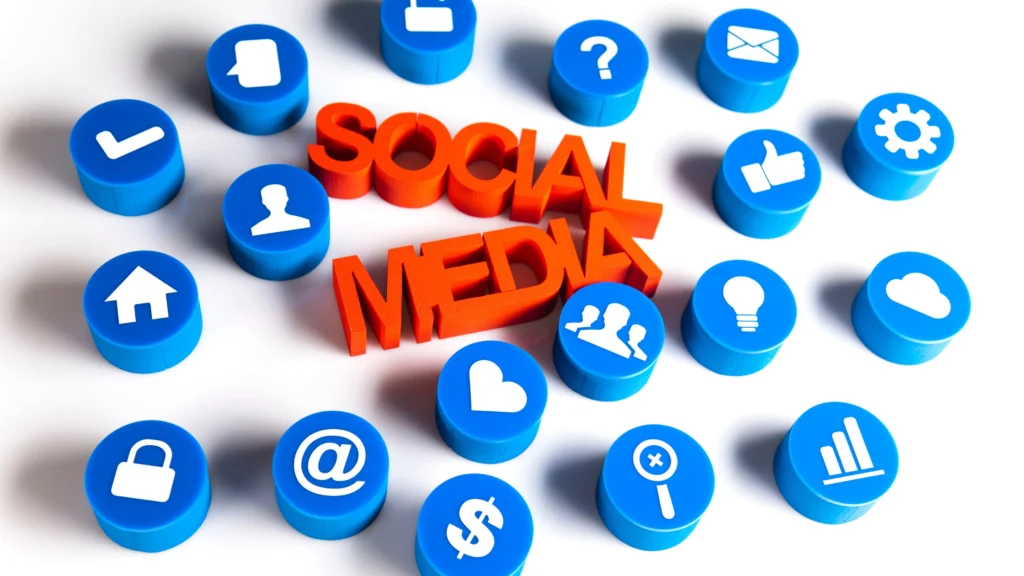
The second buffer is platform diversification. Influencers who rely only on Instagram Reels or YouTube Shorts are walking a tightrope. Long-form YouTube, podcasts, LinkedIn content, and even blogs create stability.
Creators like CarryMinati have survived multiple YouTube algorithm shifts because their audience follows them, not just the format they post in. When one content style slows down, another picks up.
Third, monetisation must extend beyond views. Brand retainers, digital products, courses, workshops, consulting, live events, and affiliate income provide cash flow even during low-reach phases. Influencers who only earn when views spike experience anxiety with every dip.
Content systems also matter. Instead of reacting emotionally to reach drops, resilient creators audit calmly. What format slowed? What audience segment disengaged? What can be repurposed or repositioned? Panic-posting rarely fixes anything.
Finally, creators must emotionally detach self-worth from analytics. Reach drops feel personal because creators are public-facing. But sustainability demands distance. Metrics inform strategy. They should not define identity.
Also Read: Which social media platforms make you a successful influencer?
Reach drops are not a sign that your career is ending. They are reminders that platforms are not promises.
Influencers who survive algorithm shocks think like business owners, not performers chasing applause. They build audiences beyond platforms. They diversify income. They stay visible even when distribution dips.
In the long run, the algorithm favours creators who don’t depend on it to survive.
Because influence isn’t about how many people see you today.
It’s about how many still trust you tomorrow.
Frequently Asked Questions
Are reach drops permanent?
Usually not. Most are temporary experiments or shifts in platform priorities.
Should creators post more during a reach drop?
Not blindly. Quality and strategy matter more than volume.
Is Instagram worse than YouTube for reach stability?
Instagram fluctuates faster. YouTube is slower but more durable long-term.
Should influencers switch niches when reach drops?
No. Consistency builds trust. Sudden pivots confuse audiences.
What’s the safest income during reach drops?
Retainers, owned communities, digital products, and offline opportunities.