



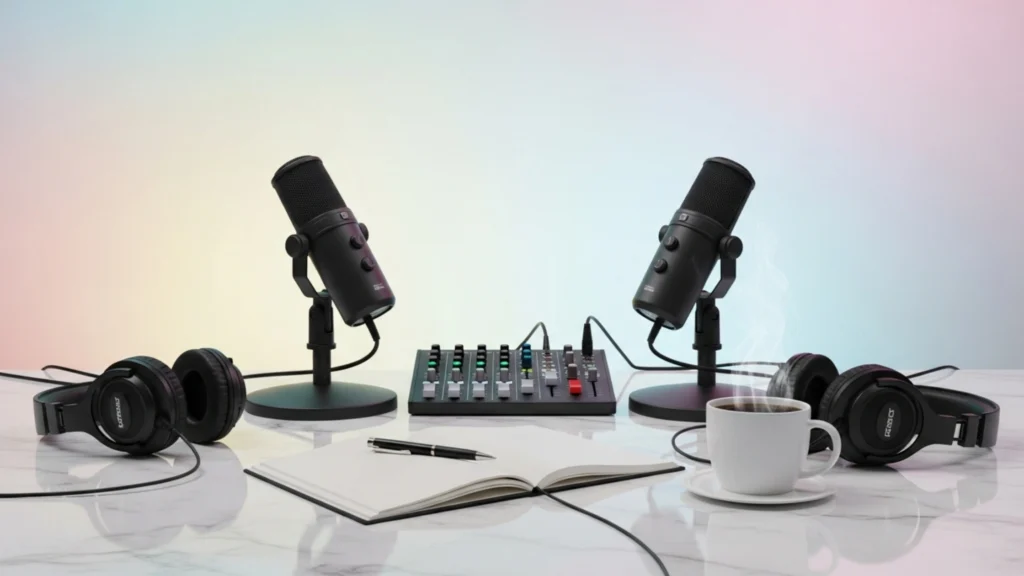
For the longest time, the Indian podcasting scene was a game of volume. You gathered a million downloads, hoped an advertiser noticed your ‘mid-roll’ ad, and prayed for a sponsorship deal. But in 2026, the script has flipped. As the creator economy in India matures, the obsession with ‘reach’ is being replaced by an obsession with ‘relationship.’
We are entering the era of subscription-based podcasts. Listeners are no longer just passive ears; they are active patrons. From paid podcast feeds to exclusive Discord hangouts, the next phase of podcast monetisation in India is about turning freeloaders into super-fans. It’s less about how many people hear you, and more about how many people can’t live without you.
The community goldmine
The most successful Indian influencers in the audio space are realising that their voice is just the entry point. The real value lies in the community that gathers around that voice. In 2026, creators are building walled gardens where the most loyal listeners pay for a seat at the table.
Take the example of The Ken’s ‘First Principles’ or Nikhil Kamath’s ‘WTF’ series. These shows don’t just exist on Spotify; they serve as the top of a funnel for deep podcast community building.
Also Read: The New Power List: Indian Influencers Who Built Real Businesses
- Exclusive Q&A sessions: Creators are using platforms like Circle or Discord to host monthly live sessions where paid subscribers get to ask the questions.
- Ad-free experiences: Paid podcast feeds allow listeners to skip the ‘sponsored by’ segments entirely, providing a premium, uninterrupted flow that high-net-worth listeners are happy to fund.
- Early access and bonus bits: Influencers like Ranveer Allahbadia (BeerBiceps) have shown that audiences crave the ‘behind-the-scenes’ grit. Offering ‘Director’s Cut’ versions of episodes or early access to big-name interviews is a proven way to drive subscription-based podcasts.
The micro-patronage wave
The biggest trend in Indian podcasting trends 2026 is the death of broad. The riches are in the niches. If you have 5,000 listeners who are obsessed with South Indian temple architecture or high-frequency trading, you are more monetisable than comedy shows with 50,000 casual listeners.
Digital creator revenue is being redefined by Micro-Patronage. Platforms like Patreon and Buy Me a Coffee have become mainstream in India, allowing creators to offer tiered memberships. A Silver member might get a monthly newsletter, while a Platinum member gets a 1-on-1 career mentoring call. This niche community approach ensures that even small podcasts can be full-time businesses. By 2026, the successful podcaster is as much a community manager as they are an audio producer.
Also Read: BeerBiceps’ Strategic Leap into Creator Training
The Free Era of Indian podcasts isn’t over, but it has definitely found its ceiling. As podcast monetisation in India shifts toward direct-to-consumer models, the power returns to the creator. By focusing on premium audio content and high-engagement communities, Indian podcasters are building resilient businesses that don’t depend on the whims of a single advertiser. In 2026, the most important metric isn’t your CPM, it’s your ‘Community Power Metric.’
Frequently Asked Questions
Will Indian listeners actually pay for podcasts?
Yes. In 2026, the willingness to pay has surged, especially for educational, financial, and high-quality storytelling content. If the value is clear, the Indian consumer is happy to subscribe.
What is the best platform to start a paid podcast feed?
Platforms like Spotify for Creators, Apple Podcasts Subscriptions, and third-party tools like Mighty Networks or Circle are currently leading the market for Indian podcasters.
Do I need a massive audience to launch a subscription model?
No. In fact, smaller, high-intent audiences often have better conversion rates for subscription-based podcasts than mass-market shows.
Can I still have ads if I have a paid feed?
Usually, the ‘Paid’ version is ad-free as a primary selling point. However, some creators offer a ‘Hybrid’ model where subscribers get the episode early, while free listeners get it later with ads.