




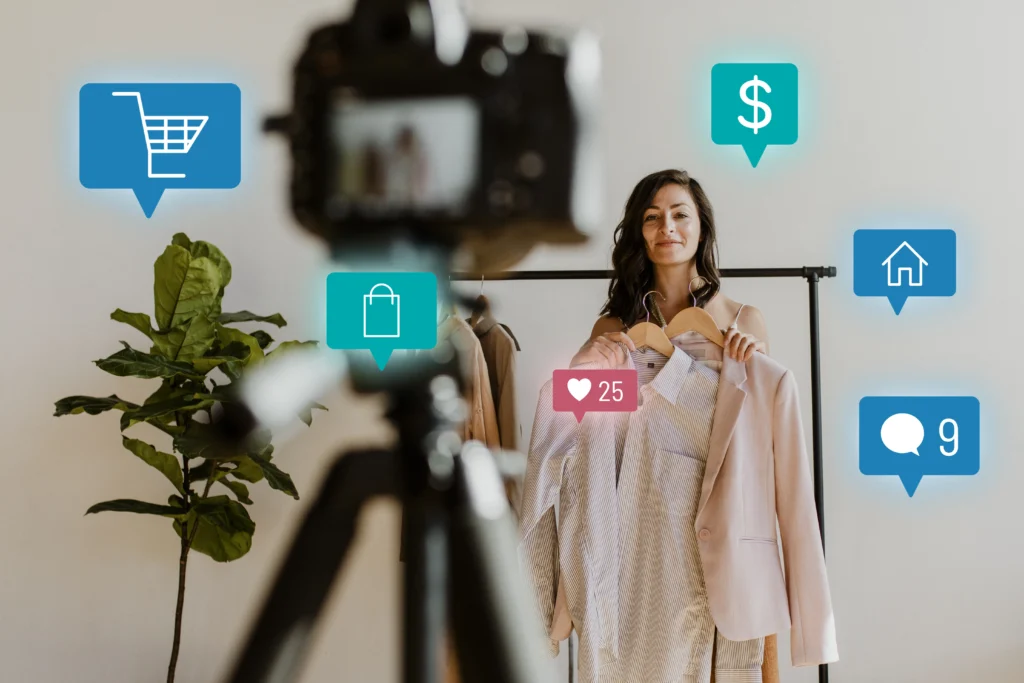
In the current digital age, the way people shop and discover new products has changed forever. We no longer just look at billboard ads or television commercials to decide what to buy. Instead, we turn to the people we follow on our phone screens. Influencers have moved beyond just promoting other companies and are now becoming the founders of their own empires. By using their personal brand and the deep connection they have with their followers, these creators are redefining what it means to run a modern business.
The shift from being a content creator to a brand owner is a natural step in the creator economy. When an influencer launches their own brands, they are not starting from zero. They already have a built in audience that listens to their advice and values their opinion. This foundation of influencer marketing allows them to skip many of the expensive hurdles that traditional businesses face and such as high advertising costs or the struggle to find a target market.

Building Trust Through Authenticity
The secret to success for any influencer starting an online business is audience trust. Unlike a faceless corporation, a creator has a human voice and a recognizable face. They have spent years sharing their life, their struggles, and their wins with their community. When they decide to release a product, their followers feel like they are buying from a friend rather than a company.
Also Read: 4 ways influencers can balance fame and industry respect
To keep this trust, successful creators focus on creating authentic content. They show the behind the scenes process of how their products are made and they talk about the challenges they face as entrepreneurs. This transparency makes the marketing feel less like a sales pitch and more like a shared journey. When people see the effort and passion behind a project, they are much more likely to support it and help spread brand awareness through word of mouth.
Leveraging Social Media as a Storefront
Social media is the heartbeat of any influencer led venture. Platforms like Instagram and TikTok or YouTube serve as both a marketing channel and a digital storefront. Modern creators use these tools to create short form videos that highlight their products in a way that feels natural. Instead of a polished ad, they might post a quick tutorial or a “day in the life” video where their brand is naturally integrated into their routine.
Social commerce has also made it easier for followers to buy products without ever leaving their favorite apps. Features like in app shops and live streaming sales events allow creators to turn views into revenue instantly. By using these marketing strategies, influencers can reach thousands of people in seconds and creating a level of engagement that traditional digital marketing often struggles to achieve.
The Power of Community Building
One of the most effective ways influencers market their own brands is through active community building. They do not just talk at their audience and they talk with them. Before a product launch, many creators will ask their followers for feedback on colors or designs or features. This makes the community feel like they have a stake in the success of the brand.
Also Read: Regional power: Why local influencers are winning 2026
When customers feel heard, they become loyal advocates. They share their purchases on their own profiles and they write reviews and they defend the brand in the comments. This organic promotion is incredibly powerful because it builds social proof. The more people see “real people” using and enjoying a product, the more credible the brand becomes. This cycle of engagement ensures that the brand continues to grow long after the initial launch buzz has faded.
Strategic Product Launches and Scarcity
Influencers are masters of creating hype. When they prepare for a product launch, they often use a “drop” model where items are released in limited quantities. This creates a sense of urgency and excitement. By teasing the launch weeks in advance through stories and posts, they build anticipation until the moment the store opens.
This strategy works because it taps into the fear of missing out. When a trusted creator says a product is limited, followers act fast to secure their piece. This method not only drives immediate sales but also keeps the brand relevant. It turns a simple transaction into an event that the community wants to be a part of.
The Future of Creator Led Businesses
As we look toward the future, the line between content and commerce will continue to blur. Influencers are no longer just “web famous” individuals and they are serious business owners who understand the power of digital marketing better than anyone else. By focusing on audience trust and community building and authentic storytelling, they are creating brands that have the potential to last for decades.
For any aspiring entrepreneur, there is much to learn from how these creators operate. They prove that in the modern world, being human is the best marketing strategy of all. Whether it is through a simple social media post or a complex product launch, the goal remains the same and that is to provide value and maintain the connection that made them popular in the first place.
FREQUENTLY ASKED QUESTIONS
Why do influencers start their own brands instead of doing sponsorships?
While sponsorships provide quick income, owning a brand allows for more creative control and higher long term profits. It also helps an influencer build a sustainable business that does not rely solely on platform algorithms.
What are the most common products influencers sell?
Many creators focus on beauty and fashion or fitness and digital products. These categories work well because they allow for visual storytelling and easy integration into daily social media content.
How do influencers maintain audience trust when selling products?
The best way they maintain trust is by being honest about the quality and the process. Creators who only sell things they actually use and love tend to keep their followers’ loyalty much longer than those who promote everything.
Is social media enough to run a successful brand?
Social media is a great start for marketing and sales, but a real business also needs a solid website and good customer service and reliable shipping to survive in the long run.