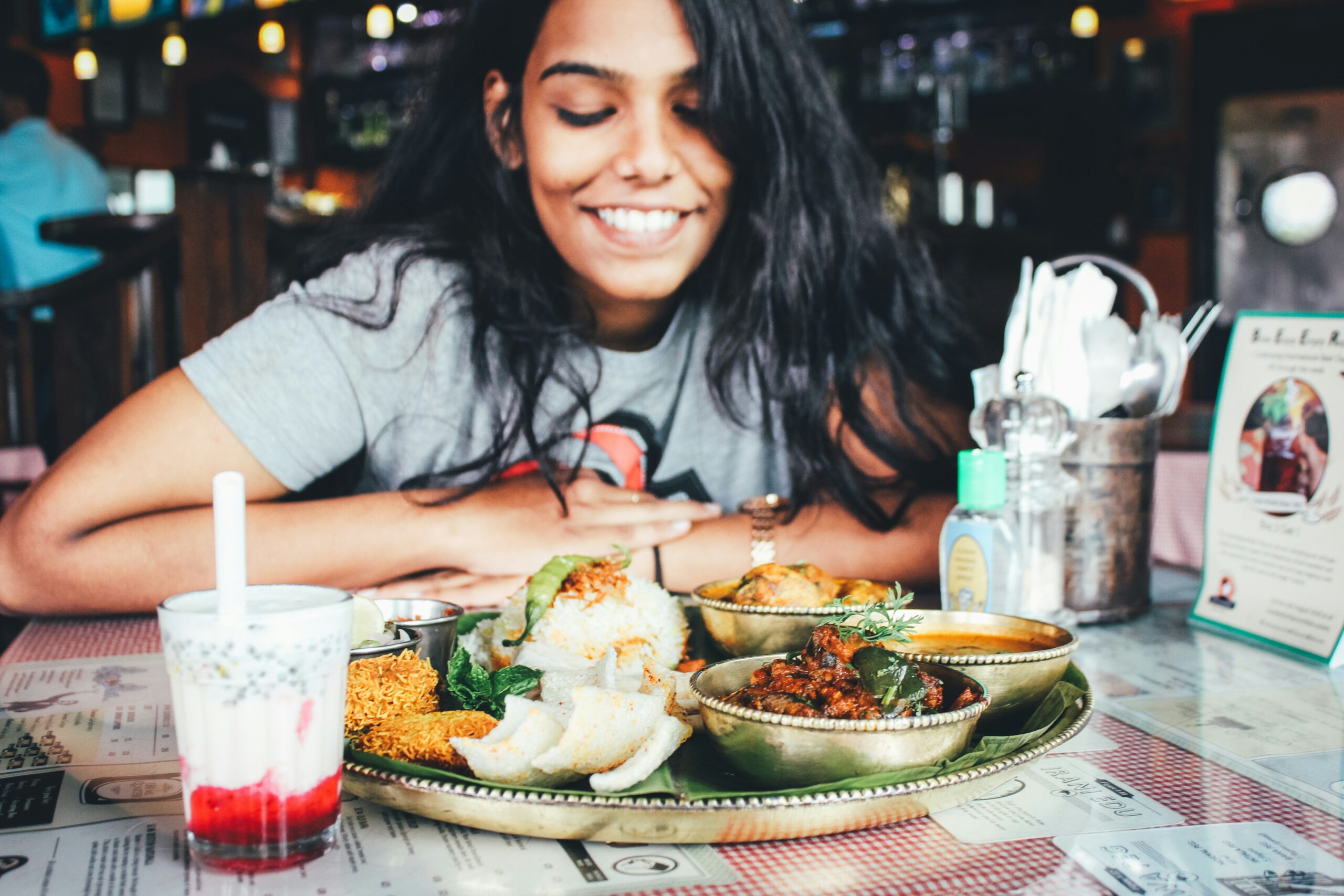





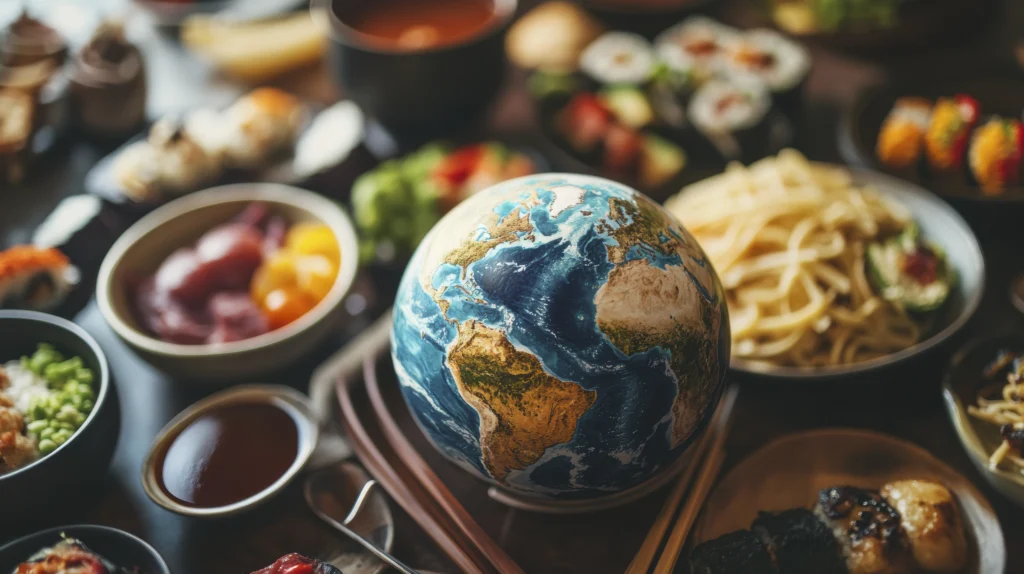
There is a special kind of magic that happens when food meets travel. For many people, a journey to a new place is not just about seeing famous buildings or walking through museums. Instead, the real heart of a trip is found in the kitchens and on the plates of the local people. This way of seeing the world is often called culinary tourism and it has become one of the most popular ways to explore our planet. When we choose to travel for food, we are doing more than just filling our stomachs. We are actually opening a door to the history and the soul of a destination.
Every country has a story to tell through its ingredients. Think about the smell of fresh bread in a French bakery or the spicy aroma of a busy market in Thailand. These scents and tastes stay with us much longer than a photo ever could. Food and travel allow us to connect with strangers in a way that language sometimes cannot. Sitting at a crowded table and sharing a meal is a universal sign of friendship. It reminds us that no matter where we come from, we all appreciate a good meal and good company.
Why We Seek Authentic Flavors
The search for authentic flavors is often what drives a person to book a flight. In a world where you can find fast food on almost every corner, there is a deep desire to find something real. When food meets travel, it gives us the chance to taste dishes that have been made the same way for hundreds of years. These traditional recipes are often passed down through families and they represent the pride of a community.
Eating local food experiences is not just about high end restaurants. In fact, some of the best memories come from street food culture. Standing on a sidewalk in Mexico City eating a taco or grabbing a hot slice of pizza in a tiny alley in Naples provides a sense of place that you cannot get anywhere else. These moments are raw and honest. They show us how people actually live and what they value. Culinary tourism encourages us to step out of our comfort zone and try things we might never find back home.
The Role of Local Food Experiences
When we talk about food and travel, we have to mention the people behind the meals. Behind every great dish is a farmer or a chef or a grandmother who knows exactly how much salt to add. Engaging in local food experiences helps support these small businesses and keeps traditions alive. Whether it is taking a cooking class in Tuscany or visiting a spice farm in Zanzibar, these activities create a bridge between the traveler and the local culture.
Also Read: The 2026 eating well food and nutrition report
Travel for food also teaches us about the environment. We begin to understand why certain fruits grow in specific climates or why coastal towns rely so heavily on the daily catch. This connection to the land makes the meal taste even better because we understand the effort that went into producing it. Global cuisines are a reflection of the earth and the seasons, and experiencing them in their natural setting is a gift.
How Dining Abroad Changes Our Perspective
Dining abroad is a lesson in patience and curiosity. Sometimes you might not recognize anything on the menu and that is perfectly okay. Part of the thrill of food and travel is the surprise. You might discover that you love a certain spice you used to avoid or you might find a new favorite fruit that you cannot even name. This type of food exploration makes us more open minded and flexible as individuals.
As we move from one city to another, we notice how flavors change even within the same country. The food in Northern India is very different from the food in the South. The pasta shapes in Northern Italy are not the same as the ones you find in the Sicily. These small details show us the diversity of our world. When food meets travel, we realize that there is always something new to learn and always another plate to try.
Also Read: Eating well guide’s to 2026 food and nutrition trends
Bringing the Experience Home
One of the best parts of culinary tourism is that it does not have to end when you get on the plane to go home. Many travelers bring back spices or oils or even new skills to their own kitchens. Recreating traditional recipes in your own home is a wonderful way to relive your favorite vacation memories. It allows you to share a piece of your journey with your friends and family who could not be there with you.
In the end, the combination of food and travel is about more than just eating. It is about the stories we collect and the people we meet and the way a single bite can transport us back to a specific moment in time. Whether you are a professional chef or just someone who loves a good snack, the world is waiting to be tasted. So the next time you plan a trip, remember to let your hunger lead the way.
FREQUENTLY ASKED QUESTIONS
What exactly is culinary tourism?
Culinary tourism is a type of travel where the main goal is to explore and enjoy the food and drink of a specific region. It involves seeking out local food experiences and learning about the culture through its flavors.
How can I find the best food while I am traveling?
The best way to find great food is to follow the locals. Avoid the big tourist traps near major landmarks and look for busy spots in residential neighborhoods. You can also research street food culture online or ask your hotel staff for their personal favorites.
Is it safe to eat street food in other countries?
In many places, street food is very safe because it is cooked at high heat right in front of you. To be safe, look for stalls that have a long line of local customers because this usually means the food is fresh and the turnover is high.
Why is food exploration important for travelers?
Food exploration allows you to connect with a culture on a deeper level. It helps you understand the local history and geography and social customs in a way that just sightseeing cannot.+1
Can I enjoy food and travel if I have dietary restrictions?
Yes, you definitely can. Many global cuisines are naturally vegan or gluten free or dairy free. It is helpful to learn a few key phrases in the local language to explain your needs so you can still enjoy authentic flavors safely.