




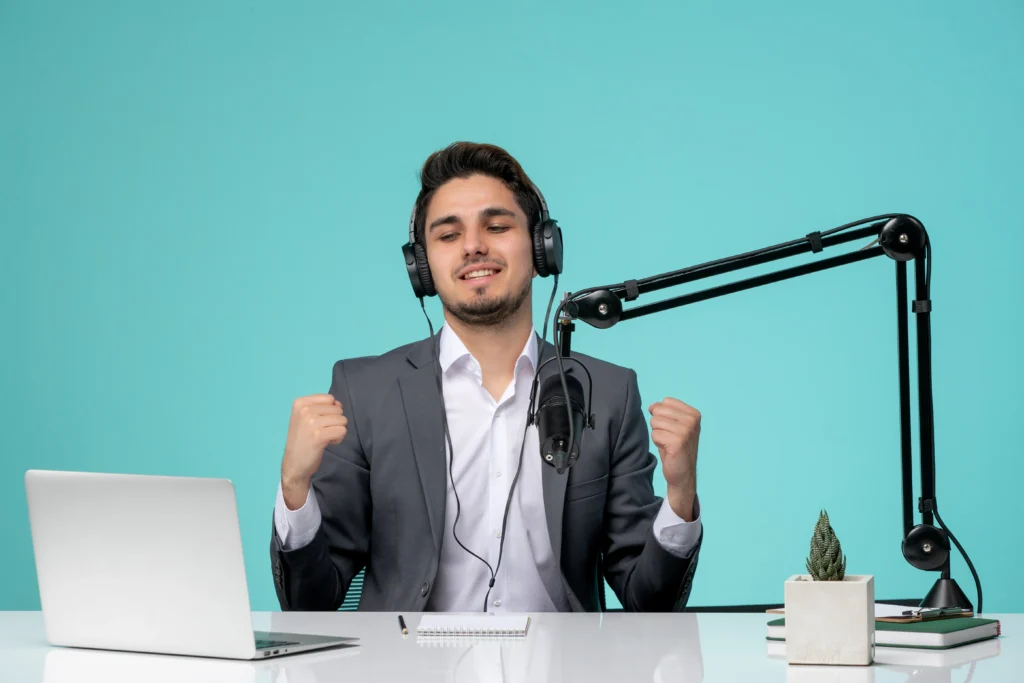
Stepping in front of a microphone to record a solo podcasting episode can feel a bit like talking to a brick wall. Without a co-host to bounce ideas off or a guest to interview, many creators worry they will run out of things to say or sound like a dry textbook. However, speaking for 20 minutes without getting boring is entirely possible when you treat the microphone like a friend rather than a machine. Solo podcasting is an incredible way to build a personal brand and share your unique expertise directly with your audience.
Start With a Strong Hook
The first 60 seconds of your solo podcasting session are the most important. If you start by rambling about your morning coffee or complaining about the weather, you might lose people before you even get to the good stuff. Instead, start with a hook. This could be a surprising statistic or a bold claim and even a cliffhanger from a personal story. By giving your listeners a reason to lean in immediately, you set the stage for a high energy episode.
Also Read: The evolution of Global Creator Economy Market
Use an Outline Instead of a Script
One of the biggest mistakes in solo podcasting is reading from a full script. Unless you are a professional voice actor, reading word for word often sounds robotic and stiff. To keep things natural and engaging, use a bulleted outline. Write down your main points and the specific stories you want to tell and the key takeaways for the listener. This approach allows you to speak from the heart while staying on track. When you speak naturally, your personality shines through and that is what keeps people listening to audio content.
Also Read: Indian podcaster are moving beyond the ‘Mid Roll’
The Power of Storytelling and Anecdotes
Facts and data are useful, but stories are what people remember. To fill 20 minutes with ease, weave personal anecdotes into your solo podcasting episodes. If you are explaining a complex topic, try to share a time you struggled with it or a success story from a client. Stories create a mental picture for the listener and make the time fly by. Think of your podcast as a conversation where you are sharing insights over a meal. This mindset shift helps you avoid the dreaded “lecture” tone that can make solo shows feel long and tedious.
Vary Your Pace and Energy
When you are the only voice on the track, your vocal delivery is your best tool for keeping listeners engaged. If you speak at the same volume and speed for the entire 20 minutes, it becomes background noise. Practice varying your pace. Slow down when you are making a profound point and speed up when you are sharing something exciting. Do not be afraid of silence either. A well placed pause can emphasize a point and give the listener a moment to let the information sink in.
Structure Your Middle Section
A common reason solo podcasting feels boring is a lack of structure. Break your 20 minute episode into three or four clear segments. You can even use short musical transitions or “reset” moments where you summarize what you just said before moving to the next point. This helps the listener follow your train of thought without feeling overwhelmed. Think of it like a journey where you are the guide, leading them through different “rooms” of information until you reach the conclusion.
Ending With a Clear Call to Action
As you wrap up your solo podcasting episode, do not just trail off. Summarize the main points and leave your audience with one clear thing to do. Whether it is signing up for a newsletter or following you on social media and even just reflecting on a specific question, a strong ending makes the episode feel complete. Speaking for 20 minutes is a skill that gets better with every recording, so keep practicing and stay authentic.
FREQUENTLY ASKED QUESTIONS
Is solo podcasting harder than interview shows?
It can be more challenging because you have to maintain the energy and flow by yourself. However, it also gives you complete creative control and makes scheduling much easier.
How do I avoid saying “um” and “uh” when speaking alone?
The best way is to slow down and get comfortable with short silences. Using a bulleted outline also helps because you always know what point is coming next, which reduces the need for filler words.
What is the ideal length for a solo podcasting episode?
While many creators find 15 to 25 minutes to be the sweet spot, the best length is whatever it takes to deliver your message without fluff. If you have 10 minutes of great content, do not stretch it to 20.
Can I use background music to make my solo show less boring?
Yes, subtle background music or “beds” can help maintain a mood and fill the empty space behind your voice. Just make sure the music is not too loud or distracting from your message.
How do I find topics for solo podcasting?
Look at the questions your audience asks or the common problems in your industry. You can also share your reactions to news or deep dives into personal experiences that taught you a lesson.