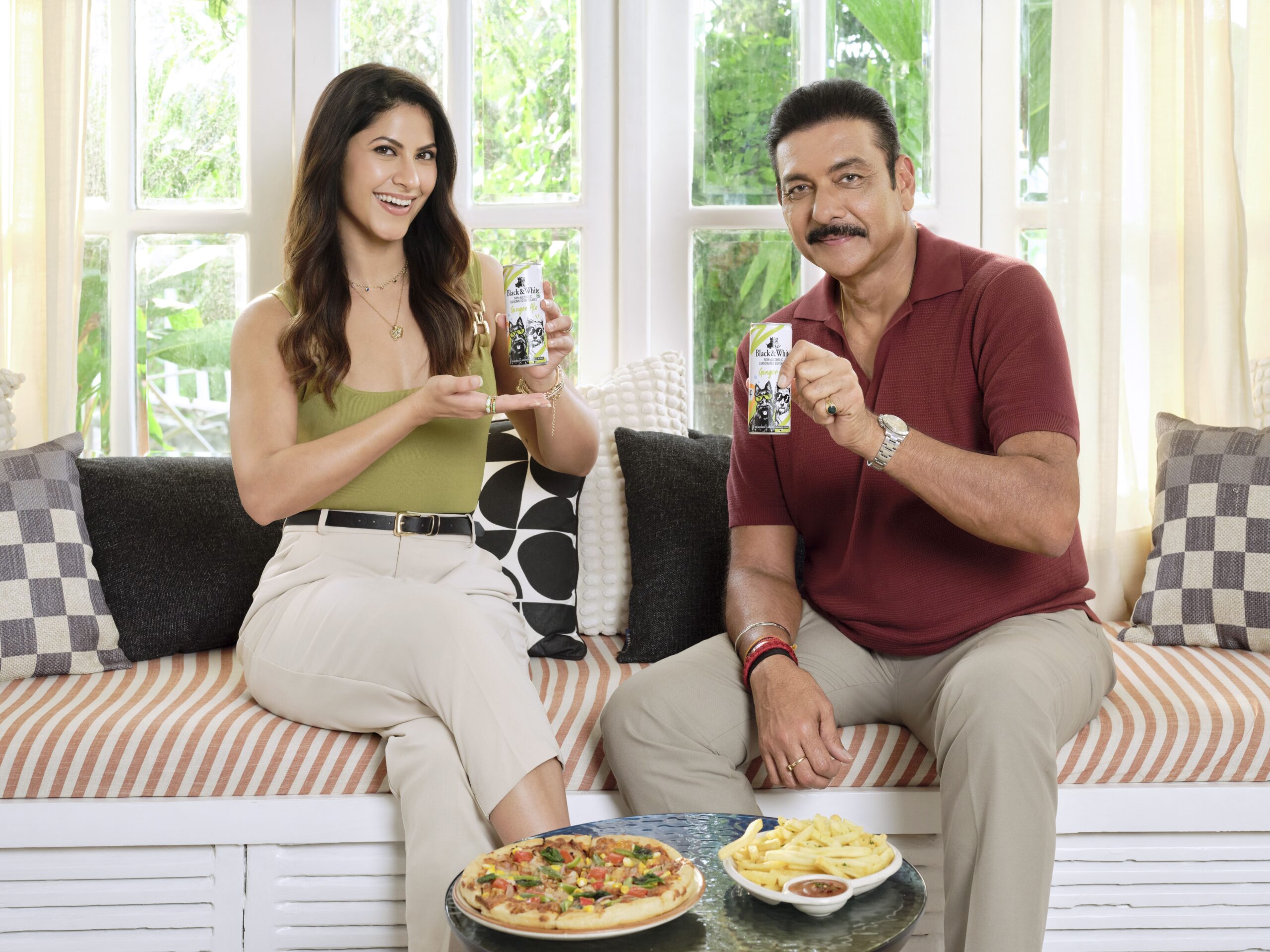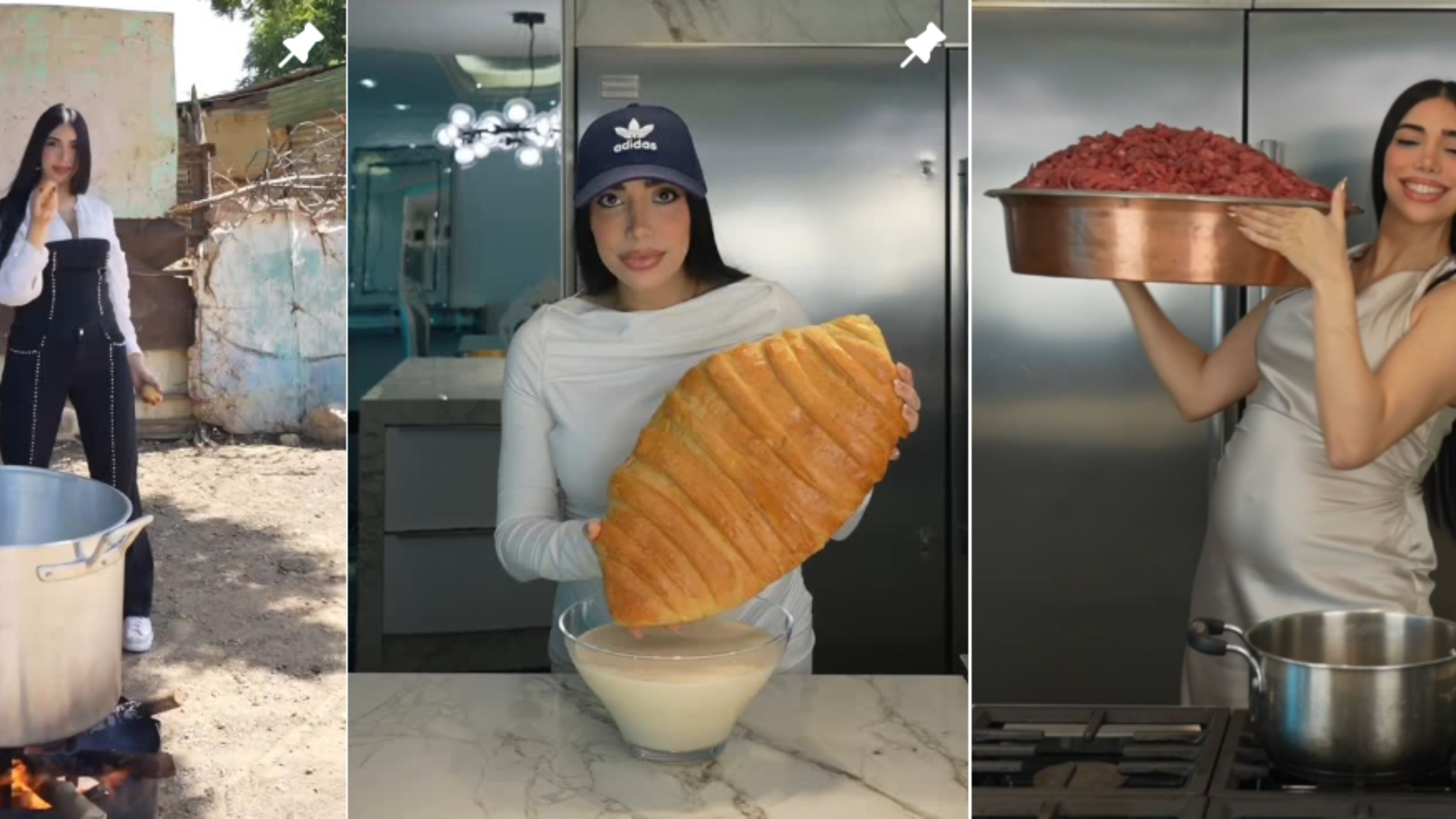





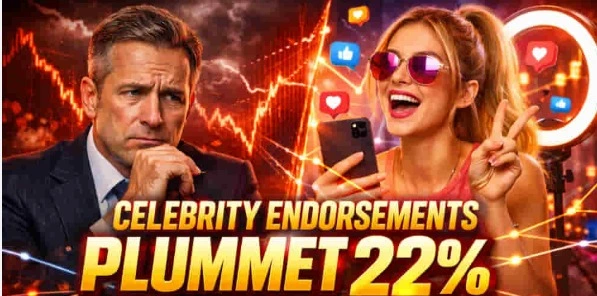
The “Mega-Star” brand ambassador era is going through a midlife crisis. Celebrity-led ad volumes in India fell by an alarming 22% in 2025, according to the most recent TAM AdEx statistics. For many years, the “golden ticket” for any brand launch, from Mumbai to Madurai, was a Bollywood star or a cricket legend. However, the narrative has changed. Consumer giants like Nykaa, Zomato, and Hindustan Unilever (HUL) are tightly reallocating their crores. Why? Because the pure, relatable charm of social media creators outshines the extreme appeal of superstars.
This is a major shift in the way advertising is consumed in India, not merely a slight decline. In 2025, brands are sacrificing “mass appeal” for “measurable impact” as margins tighten and financial strictness becomes the new motto. A superstar’s eye-catching TV commercial may get viewers, but the link-in-bio from an expert creator is what really makes money. The traditional celebrity endorsement is turning out to be a luxury that many firms can no longer afford in a world where every marketing currency is under fire.
Why Creators Are Winning the Ad War
Let’s discuss numbers. When you can hire 50 local influencers for a fifth of the cost, why pay an A-lister a king’s price? Influencer marketing gives an 11x better return on investment than traditional digital advertising, as brands are realizing. The explanation is straightforward: trust. Indian consumers are smart in 2025. They are aware that a famous person is reading from a script. On the other hand, it feels like a friend’s tip when a micro-influencer with 50,000 followers evaluates a skincare product in their own bathroom.
Also Read: Global creator economy market outlook 2026-2033
The new VIPs in the advertising industry are micro-influencers, or people with 10,000–100,000 followers. Their interaction rates are so high that they make celebrities seem like statues. Celebrity advertisements continue to account for 27% of TV airtime, but their impact is waning. A 30-second TVC is not as persuasive to Gen Z consumers as a viral reel. This change is especially noticeable in industries like food and beverage and personal care. Instead of “top-down” celebrity statements, brands are instead placing their bets on “community-focused” advertisements. Who has the most genuine relationship is now more important than who is the biggest star.
Smart Data Beats “Gut Feelings” in 2025
In 2025, marketing will be a data science activity rather than a “gut feeling” effort. Swiggy and Zomato are seeking a lower Customer Acquisition Cost (CAC) in addition to celebrity. Click-through rates, direct conversions, and real-time interaction are just a few of the trackable data that influencer programs offer. You can “track” every swipe-up on a creator’s story, but you can’t properly “track” how many people purchased a Pepsi because they saw a billboard on the Western Express Highway.
Additionally, a significant factor has been the growth of regional and local material. A local creative in Ahmedabad or Kochi knows the language and is aware of the particular cultural quirks of their audience, but a Bollywood star may have a pan-Indian face. Nykaa is investing in Gen Z beauty innovators instead of just renewing expensive actor contracts because of its “hyper-local” approach. Brands are creating enduring devotion by cultivating a “next wave of storytellers,” which is unmatched by a one-time star photo shoot.
Also Read: Top influencer marketing trends for 2026
Is the celebrity advertisement old-fashioned? Not precisely. For major launches, big stars still provide a “wow” effect for marketers. However, depending solely on well-known faces is an outdated tactic. The new successful strategy is a hybrid: depend on influencers to close the deal after using a superstar to attract attention. By 2026, it will be evident that genuine power comes from being trusted rather than being well-known.
Frequently Asked Questions
Why did celebrity endorsements fall 22% in 2025?
The decline is driven by brands seeking better ROI, tightening marketing budgets, and a shift toward the measurable, data-rich engagement that influencers provide compared to traditional celebrity ads.
Which brands are leading this shift?
Major players like Nykaa, HUL, Zomato, PepsiCo, and Swiggy are increasingly shifting their focus (and funds) from A-list celebrities to micro and regional influencers.
Are micro-influencers better than celebrities?
For many brands, yes. Micro-influencers (10k-100k followers) often have higher engagement rates and are perceived as more authentic and trustworthy by niche audiences, especially Gen Z.
Will celebrities disappear from ads?
No. Celebrities are still used for large-scale brand awareness and major launches, but they are now part of a broader “hybrid” strategy that includes many smaller creators.
How does this affect the Indian market specifically?
The growth of regional language content and internet penetration in Tier II and III cities has made local influencers more effective at reaching specific demographics than national celebrities.