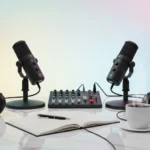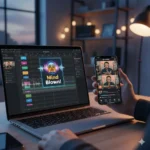




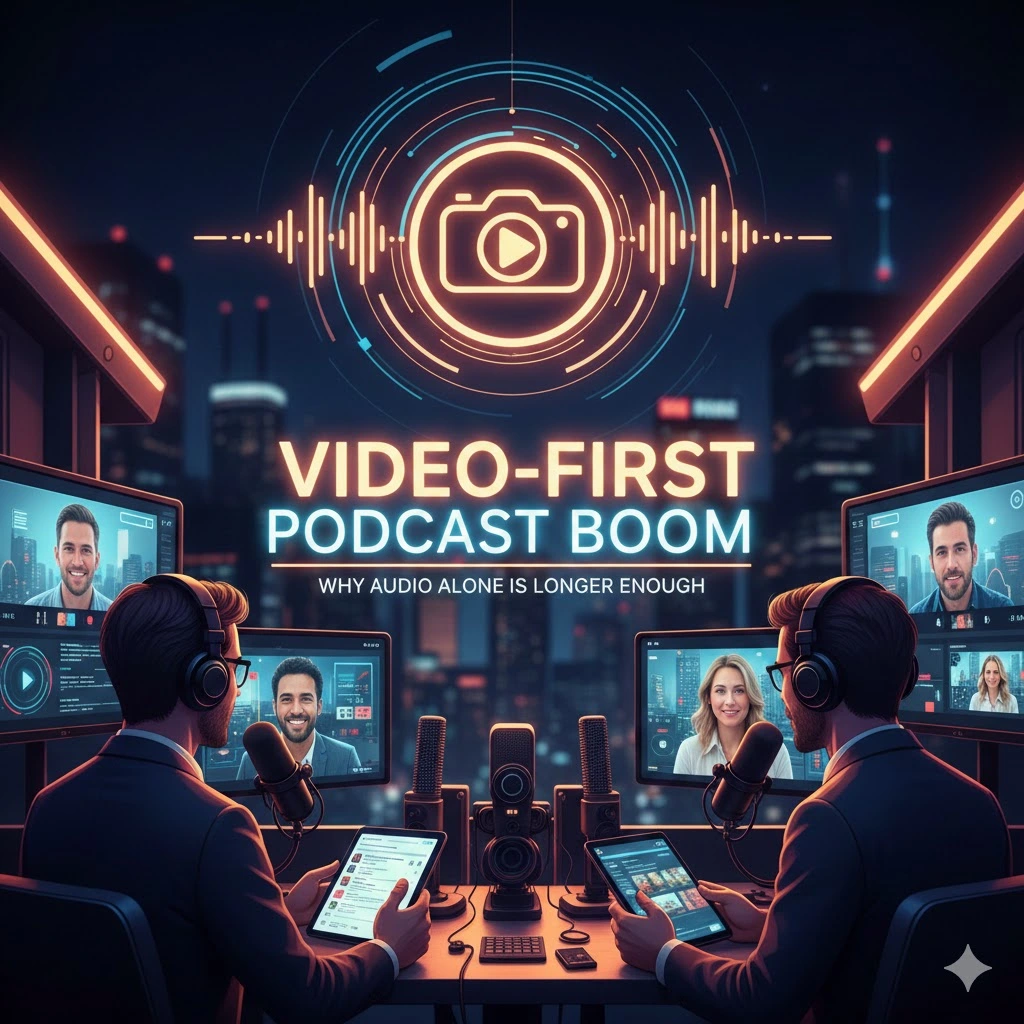
The world of digital media is shifting rapidly and the traditional podcasting landscape is right at the center of this massive change. For many years the humble audio file was the king of the industry and listeners were happy to tune in while driving or doing chores. However we are now seeing a significant shift toward a video-first podcast approach. This transition signals a deep change in audience behaviour and it shows that modern viewers want more than just a voice in their ears. They want a full sensory experience that combines sight and sound to create a stronger connection with the creators they follow.
One of the biggest reasons for this boom is the way people consume information today. We live in an era dominated by visual platforms like YouTube and TikTok and Instagram. When a creator records a video-first podcast they are not just making a long show but they are also creating a library of visual content. This allows them to cut small clips and share them across various social media platforms. These bite sized videos act as a gateway and they lead new audience members back to the full episode. Audience behaviour has become fragmented and people often discover new shows through a thirty second vertical video rather than searching through an audio directory.
Does this mean traditional radio or audio podcasts will disappear?
Not at all because audio is still very convenient for commuting and exercising. However adding a video element provides more growth opportunities and allows creators to cater to different types of audience behaviour.
Also Read: AI digital forecast for 2026
The human element plays a huge role in why audio alone is no longer enough for many people. When we see a person speaking we pick up on their facial expressions and their hand gestures and their physical energy. These non verbal cues add a layer of intimacy and trust that audio simply cannot provide on its own. A video-first podcast makes the listener feel like they are sitting in the room with the host and the guest. This visual connection builds a sense of community and loyalty which is vital in a crowded digital space where everyone is competing for attention.
Furthermore the rise of YouTube as a primary destination for podcasts has changed the game entirely. Many people now treat their television screens as the new radio and they leave video podcasts playing in the background while they relax at home. This shift in audience behaviour suggests that people enjoy having the option to look up and see the speakers whenever a particularly interesting point is made. It provides a flexible viewing experience that caters to both passive and active consumption. If a creator ignores the visual aspect they are essentially closing the door on millions of potential viewers who prefer platforms that prioritize video content.
As we look toward the future it is clear that the video-first podcast is here to stay. This does not mean that audio is dead but it means that audio must be part of a larger and more visual strategy. Audience behaviour is leaning toward multi platform engagement and people want to choose how they consume their favorite shows. Whether they are watching a full hour on a smart TV or catching a highlight on their phone or listening to the audio while jogging they want the content to be available in every format possible.
Also Read: Why Podcasters are the new celebrity interviewers in India
In conclusion the shift toward video is a natural evolution of digital storytelling. It reflects a world where we are constantly connected to screens and where we value personal connection and visual stimulation. By embracing a video-first podcast model creators can reach a wider audience and build deeper relationships and stay relevant in an ever changing media landscape. The boom is a clear signal that the era of “audio only” is fading and a new age of integrated media has arrived
Frequently Asked Questions
What exactly is a video-first podcast?
A video-first podcast is a show that is recorded with both high quality video and audio from the start. The primary goal is to create a visual experience that can be watched on platforms like YouTube while still being available for those who only want to listen.
Why is audience behaviour shifting away from audio only content?
Audiences today crave a deeper connection and visual cues like body language. Additionally the popularity of social media means people are more likely to discover content through short video clips rather than traditional audio apps.
Do I need expensive equipment to start a video-first podcast?
While professional gear helps you can start with a good smartphone and a basic microphone. The most important part is the quality of the conversation and ensuring that the lighting is clear enough for the audience to see the hosts.
Where is the best place to host a video podcast?
YouTube is currently the leading platform for video podcasts but Spotify has also introduced video features. It is usually best to host your content on multiple platforms to reach the widest possible audience.