





Instagram is taking a new step into the ever-evolving world of artificial intelligence with its new “AI Creator” labels — a move that emphasises transparency in content creation. These labels help creators, who frequently use AI tools, be clearly identified, indicating a move towards more open digital practices. But the big question is this: Will such honesty increase engagement, or will it quietly hurt it?
What AI Creator Labels Really Do
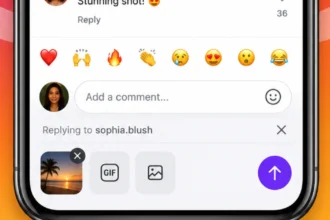
The feature is being tested as an optional badge at the account level. When enabled, it is displayed on profiles and across types of content such as Feed posts, Reels and Explore. It tells the viewer that the creator often uses AI tools in their work. This expands on existing “AI info” tags that are used on individual posts, either manually or automatically when AI-generated content is identified.
How Transparency Might Enhance Engagement
Trust is the heart of the label. As images created by AI become more realistic, audiences are unable to distinguish between what is real and what is not. Clear labelling takes away that confusion and builds credibility.
It also helps in tuning your audience. Some users are already enjoying AI-driven creativity actively – stylised art, fantasy edits, or experimental videos. For these viewers, transparency can actually increase engagement because they know exactly what they are consuming.
Where it Could Backfire
Not all users are okay with AI content. Some of the audience still see it as less real or even “shortcut content.” For those viewers, a visible AI label could result in fewer likes, shares or saves. There is also the problem of inconsistency. Since labelling is optional and detection is not perfect, some creators will disclose and some won’t. This imbalance may lead to frustration and perceived unfairness.
But for AI-heavy creators, embracing the label may actually become a strength. It helps build up a niche audience that appreciates that style and avoids backlash later.