



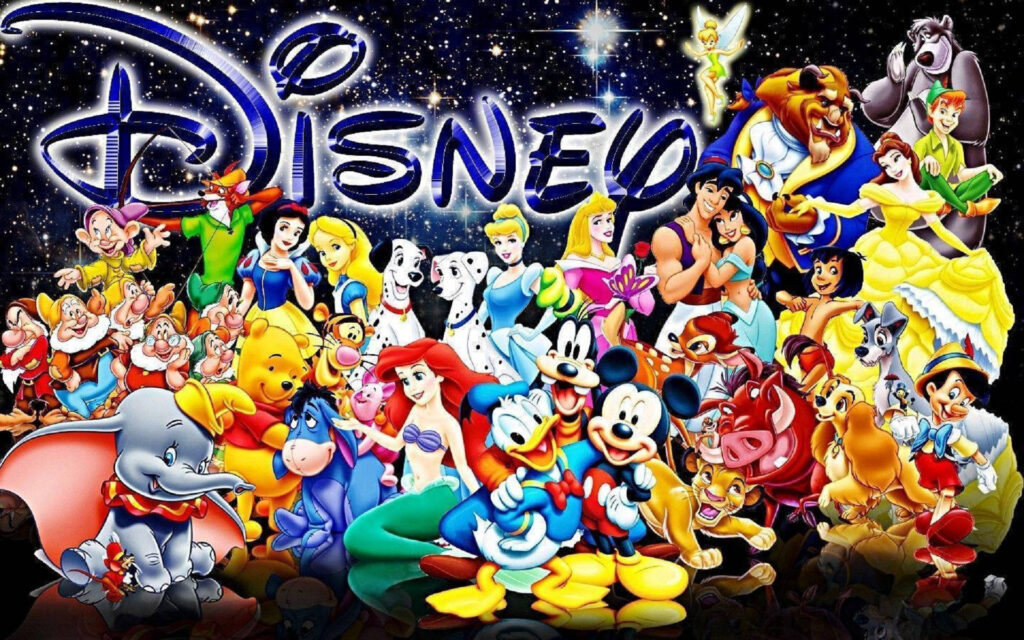
Disney has always been known for guarding its intellectual property with almost fairy-tale-level seriousness. That is why the news of Disney licensing a significant part of its character universe to OpenAI’s video-generation platform Sora has sent ripples across the creator economy, tech world, and fandom communities alike. While headlines may suggest Disney has handed over “everything,” the reality is more nuanced—and far more interesting.
This move marks a pivotal moment where legacy entertainment meets generative AI, opening up new creative possibilities while redefining how brands, creators, and audiences interact in the age of artificial intelligence.
What exactly Disney has licensed and why it matters
Disney has entered into a multi-year licensing agreement that allows OpenAI’s Sora platform and ChatGPT’s image tools to generate short-form videos and visuals using a curated library of Disney-owned characters, settings, and visual elements. This includes assets from Disney Animation, Pixar, Marvel, and Star Wars—arguably the most powerful storytelling franchises in the world.
What’s important is what the deal includes and excludes. The licensed content allows stylised, animated representations of characters, not real actor likenesses or voices. This distinction protects performers’ rights while still enabling creative expression. It also signals Disney’s intention to experiment responsibly rather than open the floodgates without guardrails.
For Disney, the motivation is clear. Instead of fighting generative AI through lawsuits or takedowns, the company is choosing controlled collaboration. By licensing officially, Disney retains brand safety, earns revenue, and stays relevant in a world where audiences increasingly expect interactive, personalised storytelling.
For OpenAI, this partnership offers legitimacy at a massive scale. Training and generating content using licensed IP sets a precedent for ethical AI use—something the industry has been criticised for lacking.
How this changes the game for creators and fandoms
For creators, especially digital storytellers, influencers, and fan communities, this deal is a cultural reset. Sora allows users to generate short videos using text prompts, and with Disney characters in play, storytelling becomes more immersive than ever.
Imagine a travel creator visualising a Marvel-style cityscape, a gaming influencer building alternate Star Wars narratives, or an educator explaining storytelling arcs using Pixar-like animation. The creative ceiling just got significantly higher, without requiring Hollywood-level budgets.
This also blurs the line between fan art and officially licensed content. For years, fan creators have operated in legal grey areas. Now, for the first time, a major entertainment company is acknowledging that fandom is not a threat—it’s an asset.
At the same time, this raises important questions. How will originality be rewarded in a world where iconic characters are widely usable? Will algorithm-driven creativity overpower human storytelling? And how will platforms ensure that AI-generated Disney content doesn’t dilute brand meaning?