




Influencer marketing has officially outgrown its early definition. What began as a handful of creators promoting products on social media has now evolved into a sophisticated digital ecosystem powered by data, performance metrics, and multi-platform strategies. Today’s influencers are no longer just faces for brand campaigns; they are media channels, community leaders, educators, and revenue drivers rolled into one. Recent data tracking the growth of key influencer categories reveals just how dramatically the creator economy is transforming—and why brands are adapting their approach faster than ever.
Rise of specialised influencer categories
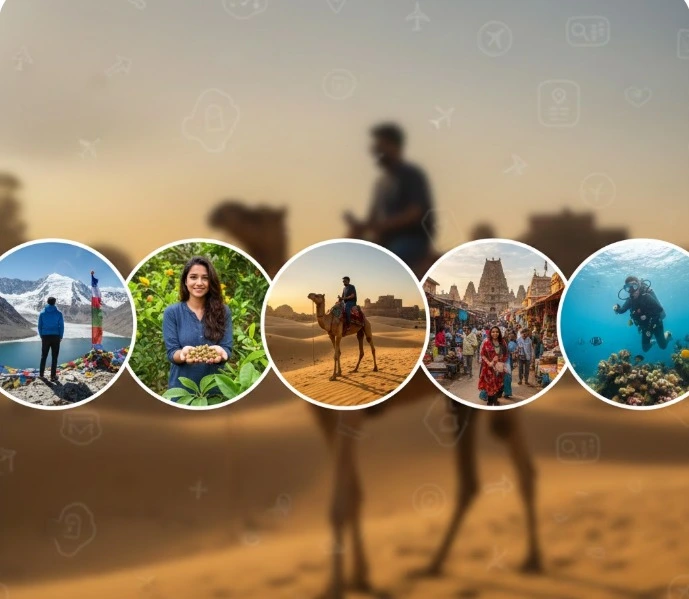
One of the clearest signals of change in influencer marketing is the rise of distinct, high-impact creator categories. Lifestyle influencers continue to dominate brand collaborations globally, thanks to their versatility and long-term appeal. These creators seamlessly bridge fashion, travel, skincare, interiors, and even personal development, making them ideal partners for brands looking to build sustained narratives rather than one-off campaigns. Lifestyle creators today function almost like digital magazines, offering curated worlds that audiences trust and return to.
Fitness influencers represent another category experiencing sustained growth. As wellness becomes central to modern lifestyles, trainers, yoga instructors, athletes, and nutrition experts are commanding trust-driven engagement. Unlike traditional advertising, fitness creators influence purchasing decisions through credibility and consistency. Their audiences often view them as coaches rather than promoters, which explains why brands in sportswear, supplements, and at-home fitness increasingly prioritise long-term partnerships over short bursts of visibility.
Short-form video has added further momentum through TikTok influencers. What started as an entertainment-first platform has become a powerful engine for product discovery and viral commerce. TikTok creators now drive app installs, trend-led purchases, and impulse buying at scale. Their ability to translate complex ideas into quick, engaging content has made them invaluable across education, beauty, tech, and e-commerce niches.
Meanwhile, Amazon influencers highlight how closely influencer marketing is tied to commerce today. Reviews, unboxings, live shopping, and comparison videos have become critical touchpoints in the buyer journey. These creators don’t just build awareness; they directly influence conversion, proving that influencer marketing is no longer just a branding tool but a measurable sales channel.
Instagram collaborations and the professionalisation of influence
Despite the rise of new platforms, Instagram influencers remain commercially powerful. What has changed is how Instagram collaboration is structured. Brands now treat Instagram as a full-fledged digital media channel rather than a place for casual endorsements. Campaigns increasingly combine affiliate links, fixed-fee partnerships, user-generated content licensing, and performance-based payouts.
Reels, stories, carousels, and livestreams are mapped strategically to different stages of the marketing funnel—from awareness to consideration to purchase. Data-driven creator databases now allow brands to match influencer categories with audience demographics, engagement patterns, and content formats. This systematic approach marks a shift away from instinct-led collaborations toward media planning grounded in analytics.
As a result, the role of the social media influencer has expanded significantly. Creators today operate as independent publishers with editorial calendars, digital brand builders with distinct positioning, and affiliate marketers who understand conversion metrics. Many also function as live commerce hosts and community managers, nurturing loyal audiences that extend beyond platforms.
Influencer marketing is no longer about chasing reach alone. It is about infrastructure, insight, and integration. The growth of lifestyle, fitness, TikTok, Amazon, and Instagram influencer categories reflects a larger transformation: creators are becoming central players in the digital economy rather than peripheral marketing tools.
As brands demand accountability and measurable outcomes, structured creator data is becoming essential. Influencers who understand their audience, platform strengths, and commercial value are thriving in this new landscape. The future of influencer marketing belongs to those who treat content not as a post, but as a business—and influence not as popularity, but as impact.