




The world of digital media has shifted away from high budget productions and toward the beauty of the mundane. In 2026 we are seeing that some of the most popular videos on the internet are not action movies or scripted dramas but simple clips of people waking up and making coffee and going about their day. This movement of turning daily life into content has created a new category of stardom where the most relatable person wins. Influencers have mastered the art of everyday life entertainment by showing that there is magic in the ordinary and that everyone has a story worth sharing if it is told with honesty.
The Magic of the Mundane and Relatable
The reason lifestyle content strategy works so well is because it mirrors the reality of the audience. For a long time, media was focused on escapism and showing us lives that we could never lead. Today people are looking for a mirror instead of a window. When creators share their struggles with morning routines or the mess in their kitchens, they are building audience connection that feels deep and real. This raw and authentic vlogging makes the viewer feel less alone in their own daily chaos. In 2026 the more “normal” a creator seems the more likely they are to succeed because authenticity has become the highest form of currency.
Crafting a Story Out of Routine
Turning daily life into content is not just about pointing a camera and hitting record. It requires a specific kind of influencer storytelling trends where the creator identifies a narrative arc in their day. A simple trip to the grocery store becomes an adventure when the creator shares their thoughts and the small challenges they face and the funny interactions they have. This everyday life entertainment relies on the ability to find humor or inspiration in small moments. By using voiceovers and b-roll footage and carefully chosen music creators transform a boring Tuesday into a bingeable episode that keeps followers coming back for more.
Also Read: Navi Mumbai Airport Takes Off with an Influencer-Led Strategy
Behind the Scenes and the Power of Vulnerability
One of the biggest digital storytelling 2026 trends is the total removal of the filter. Audiences can now spot manufactured perfection from a mile away and they are quick to reject it. This is why behind the scenes content has become a staple for every successful brand. Influencers are showing the work that goes into their finished posts including the failed takes and the lighting mishaps and the moments of self-doubt. This level of vulnerability is essential for building audience connection because it shows that the creator is a human being first and a celebrity second. It turns a one-way broadcast into a two-way relationship based on trust.
Monetising Everyday Life Without Losing the Spark
The business side of this trend is equally fascinating because monetising everyday life has become more seamless than ever. In 2026 influencers do not just stop their videos for a commercial break but they integrate products naturally into their day in the life content. Whether it is the skincare they actually use or the coffee brand they drink every morning the promotion feels like a recommendation from a friend. This lifestyle content strategy allows creators to remain independent and profitable while keeping their content feel authentic. The creator economy 2026 thrives on these soft sells where the product is part of the story rather than the hero of the video.
The Role of Short Form and Long Form Formats
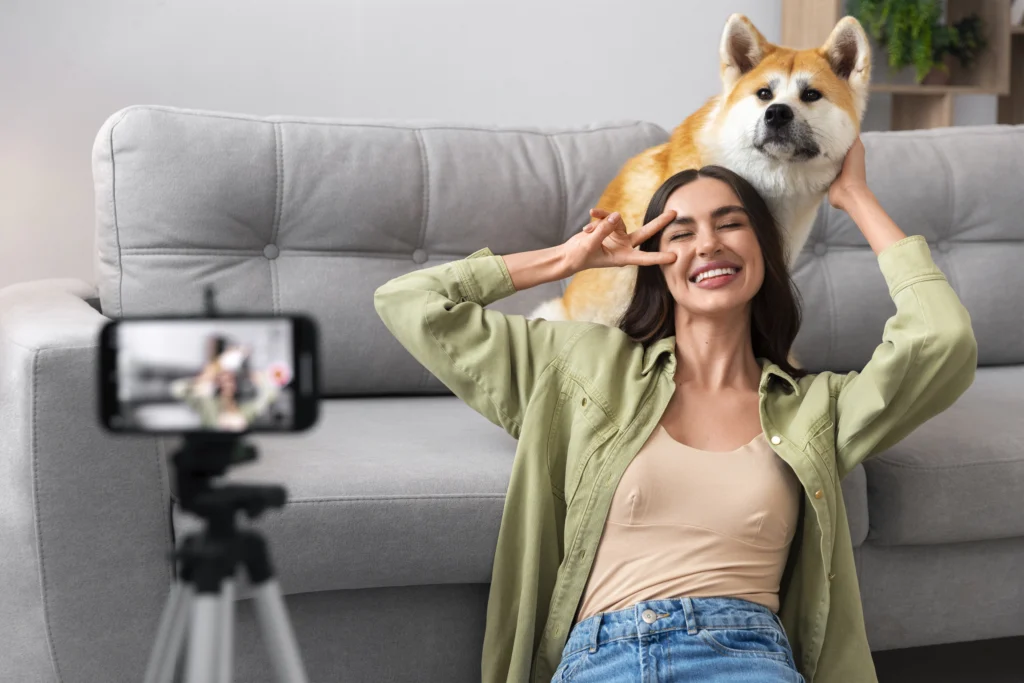
Different platforms allow for different ways of turning daily life into content. Short form videos on TikTok and Reels are perfect for quick emotional hits or funny observations while YouTube remains the home for long form raw and authentic vlogging. Many creators use a mix of both by sharing a “hook” in a short video and then inviting their audience to watch the full journey in a longer vlog. This multi-platform approach ensures that everyday life entertainment stays relevant across different attention spans. It allows the creator to build a layered brand that offers both quick entertainment and deep meaningful storytelling.
Also Read: Why Some Influencers Survive Algorithm Changes and Others Don’t
Why Everyday Entertainment is the Future
As we look at the entertainment landscape of 2026 it is clear that the desire for realness is only growing. Everyday life entertainment is not a passing fad but a fundamental change in how we consume media. We want to see people who look like us and live like us and face the same problems as us. Influencers who can successfully master the art of turning daily life into content will continue to lead the industry because they provide something that a giant movie studio never can which is the feeling of being understood. The future of content is personal, and it is happening right now in the middle of our ordinary lives.
FREQUENTLY ASKED QUESTIONS
How do influencers start turning daily life into content?
Most creators start by identifying small and relatable parts of their routine and then using simple storytelling techniques like voiceovers or text overlays to make those moments feel engaging for an audience.
Why is everyday life entertainment so popular in 2026?
It is popular because people are tired of overly polished and fake content and they find comfort and connection in seeing real and unfiltered lives that reflect their own experiences and challenges.
Can anyone succeed with a lifestyle content strategy?
Yes, as long as the person is willing to be authentic and consistent. Success in this niche depends more on personality and the ability to connect with others than on expensive equipment or professional editing.
How does monetising everyday life work for small creators?
Small creators often start with affiliate marketing or working with local brands to feature products they already use. As their audience grows, they can move into larger sponsorships and even launch their own product lines.
What is the difference between vlogging and everyday life entertainment?
While vlogging is the format and everyday life entertainment is the goal. It is the art of making sure that even the simplest of activities are presented in a way that provides value or joy or inspiration to the viewer.