




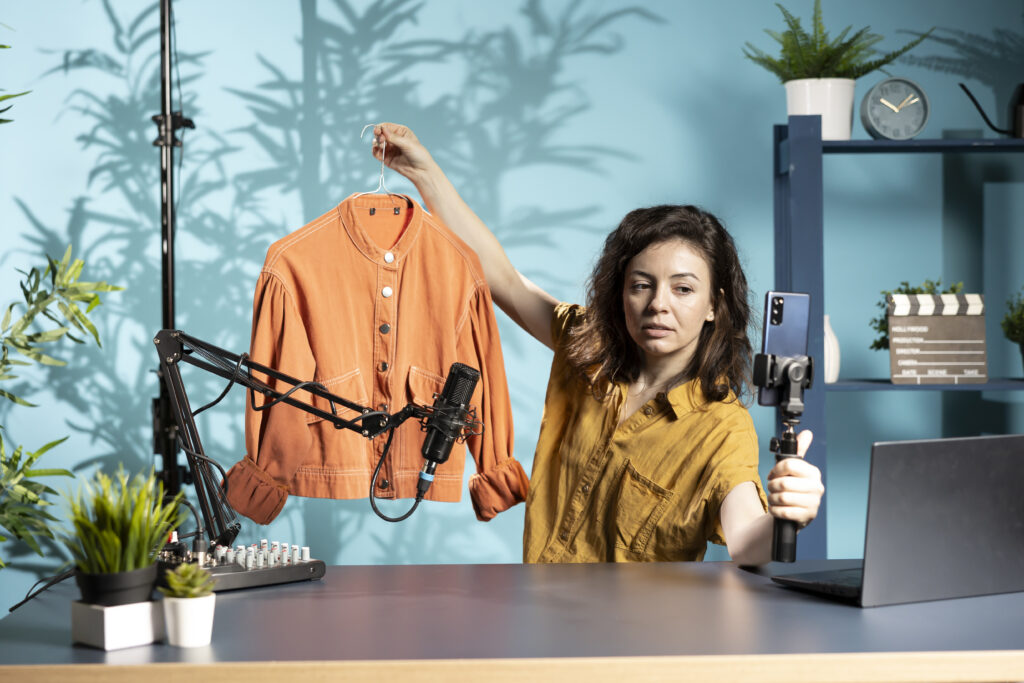
If you’ve spent more than five minutes scrolling through TikTok or Instagram lately, you’ve seen it: a person in their bedroom, unboxing a package, or giving a “get ready with me” (GRWM) tutorial. It doesn’t look like a Super Bowl ad, and it doesn’t always feature a celebrity. This is UGC content (User-Generated Content), and in 2025, it’s not just a trend—it’s the backbone of the content creator economy.
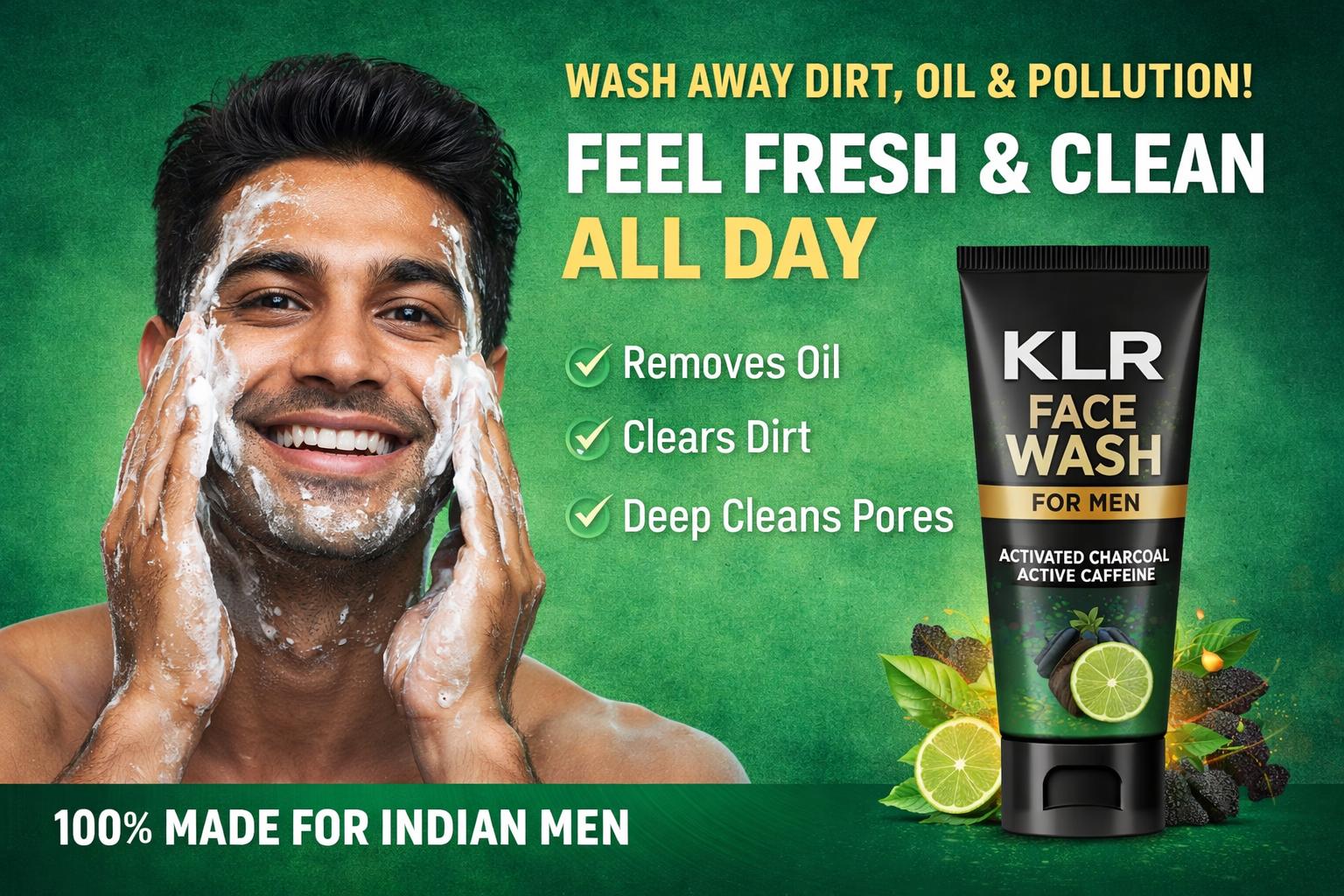
Simply put, UGC is any content—videos, photos, reviews, or podcasts—created by people rather than brands. While it used to mean “fan-made” posts, it has evolved into a professionalised industry. Brands are now hiring “UGC creators” specifically to film raw, relatable videos that they can run as ads. Why? Because we’re all suffering from “ad-blindness,” and a grainy iPhone video of a real person often converts better than a $50,000 studio production.

From Polished to Personal
The traditional influencer landscape is undergoing a massive facelift. For years, the “Influencer” was the person with the massive following—the gatekeeper of attention. You paid them to post to their audience. But in 2025, the script has flipped.
- Audience vs. Asset: Unlike traditional influencers, UGC creators don’t need a million followers.5 In fact, many have zero. Brands aren’t paying for their reach; they are paying for their creative skill.
- The “Lo-Fi” Aesthetic: Audiences are increasingly sceptical of “over-polished” lifestyles.7 There is a growing demand for brand authenticity, where imperfections make a product more believable.
- Cost Efficiency: For many startups, hiring ten UGC creators to produce high-performing “dark ads” is more cost-effective than one massive celebrity endorsement that might flop.
The Tech and Trust Factor in 2025
One of the biggest social media marketing trends this year is the integration of AI and community-led storytelling. Brands are using AI to analyse which UGC hooks are performing best and then commissioning creators to “remix” those ideas.
Moreover, user-generated content 2025 is becoming “shoppable.” We are moving past the “link in bio” era toward a world where a customer’s review video on a product page is the direct point of sale. This shift is democratizing the creator space. It means the “stay-at-home parent” or the “college student” can now build a full-time career as a creator based on their ability to tell a story, regardless of their follower count.
The influencer landscape isn’t dying; it’s just becoming more diverse. While we still love our mega-celebrities, the day-to-day decisions we make are increasingly influenced by people who look and talk just like us. For brands, the message is clear: if you want to win in 2025, stop trying to be perfect and start being human. UGC isn’t just a content category; it’s a trust-building machine.
Frequently asked Questions:
What is the main difference between a UGC creator and an influencer?
An influencer uses their own audience to promote a brand.14 A UGC creator makes content for the brand to use on the brand’s own social channels or ads.15
Do I need a following to start a UGC career?
No! Your value lies in your ability to film, edit, and speak to a camera. Brands look for your portfolio, not your follower count.
Why do brands prefer UGC over traditional ads?
Trust. Around 85 per cent of consumers find UGC content more influential than brand-produced photos. It feels like a recommendation from a friend.
Is AI replacing UGC creators?
Not quite. While AI helps with editing and scripts, the “human” element—the real skin texture, the genuine laugh—is what drives brand authenticity.