





For years, social media platforms have been the main stage for influencers. Instagram grids, YouTube channels, podcast feeds, and TikTok trends have powered entire careers. But as algorithms shift, reach fluctuates, and platforms experiment with paywalls and visibility limits, one question is becoming impossible to ignore: should a social media influencer have a website too?
The short answer is yes. And not as a vanity project. A website is fast becoming one of the smartest long-term moves a creator can make. Think of social platforms as rented apartments. A website, on the other hand, is owned property. You control the space, the rules, and the future value. For influencers serious about growth, credibility, and sustainable income, a website is no longer optional—it’s strategic.
How a website helps influencers grow followers and credibility
A website does something social media alone cannot: it centralises your digital identity. Instead of scattering your audience across multiple platforms, a creator website becomes the one link that explains who you are, what you do, and why you matter.
First, discoverability improves. A well-optimised website allows influencers to show up on Google searches, not just Instagram Explore or YouTube recommendations. When someone searches your name, niche, or expertise, your website becomes a powerful first impression. That visibility attracts new followers who may never have discovered you through social feeds alone.
Second, credibility skyrockets. Brands, collaborators, event organisers, and even podcast hosts often Google creators before reaching out. A clean, professional website instantly signals seriousness. It shows that you treat content creation as a business, not a hobby.
Third, a website lets you control your narrative. Algorithms decide what people see on social platforms. Your website lets you tell your story on your terms. You can highlight your best work, share your journey, showcase testimonials, and present yourself exactly the way you want to be perceived.
And finally, websites help audiences trust you more. In an era of fake followers, paid virality, and short-lived trends, a website feels stable. It reassures audiences that you’re here for the long run.
How influencers can monetise better with a website
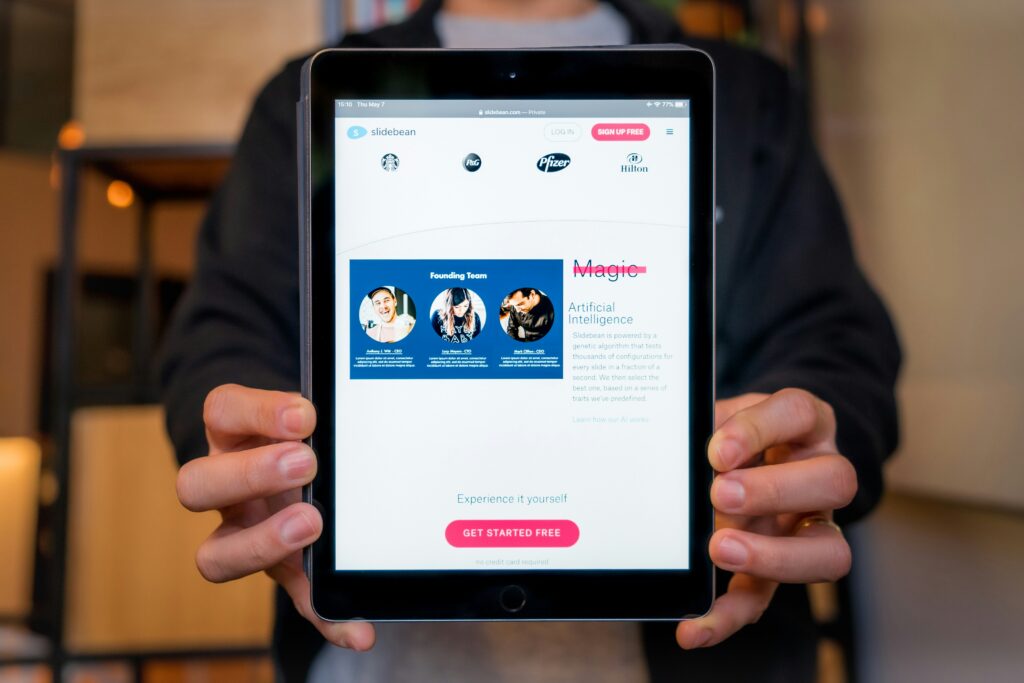
Monetisation is where a website truly shines. Social platforms reward creators inconsistently. A website creates multiple, predictable income streams.
The biggest advantage is direct monetisation. Influencers can sell digital products like courses, ebooks, templates, presets, or paid newsletters without platform cuts. They can offer consulting, coaching, or booking forms without relying on DMs.
Affiliate marketing becomes cleaner and more scalable. Instead of burying links in stories that disappear, creators can build resource pages, recommendation lists, or evergreen blog posts that earn passively over time.
Websites also unlock better brand deals. Brands prefer creators who can offer more than a single post. Blog features, email list mentions, landing pages, and long-term SEO value make collaborations more attractive—and higher paying.
Email lists deserve special mention. Social platforms control reach. Email lists don’t. A website allows creators to capture emails, build direct relationships with their audience, and stay connected even if algorithms change overnight.
Most importantly, a website future-proofs your career. Platforms rise and fall. Policies change. A website ensures your work, audience, and income don’t disappear with the next update.
A social media influencer having a website isn’t about replacing Instagram or YouTube. It’s about strengthening them. A website amplifies reach, builds trust, and turns short-term visibility into long-term value.
In the creator economy, attention is currency. Ownership is power. And a website gives influencers both.
FAQs
Do small influencers need a website too?
Yes. Even micro-creators benefit from credibility, Google visibility, and better brand positioning.
What should an influencer website include?
An about page, content portfolio, contact details, brand collaborations, and monetisation links.
Will a website reduce social media engagement?
No. It complements social platforms by directing traffic back and forth strategically.
Is a website expensive to maintain?
Not necessarily. Simple creator websites can be built and maintained at low cost.
Does a website help with long-term growth?
Absolutely. It builds authority, search visibility, and income beyond algorithms.