




The way we travel is changing, and 2026 feels like the year we finally decide we’ve had enough of the crowds. For decades, we’ve all flocked to the same famous spots, taken the same photos, and stood in the same endless lines. But lately, there’s a new mood in the air. People are getting tired of the noise and the stress that comes with packed cities. This shift is making many of us wonder if 2026 is officially the year of anti-tourism. Instead of rushing to the most crowded landmarks, travelers are now searching for peace, quiet, and experiences that feel a lot more personal and real.

Understanding the Anti-Tourism Movement
The idea of anti-tourism trends 2026 is not about hating travel or staying home forever. It is actually about pushing back against overtourism and the damage it can do to local communities and nature. In many famous cities and the local people are struggling because there are simply too many visitors. This has led to higher taxes and restricted access and even protests in some parts of Europe and Asia. Because of this and travelers are starting to feel a sense of responsibility. They want to see the world without being part of the problem.
Choosing a quiet travel movement approach means looking for destinations that actually want and need visitors. Instead of heading to a city that is already full and you might choose a small village or a coastal town that is off the main path. This kind of mindful exploration helps spread the economic benefits of tourism to places that often get ignored. It turns a simple holiday into a way to support local culture and keep traditions alive.
Also Read: Why 2026 travel is about perspective, not just about places
The Growing Appeal of the Quietcation
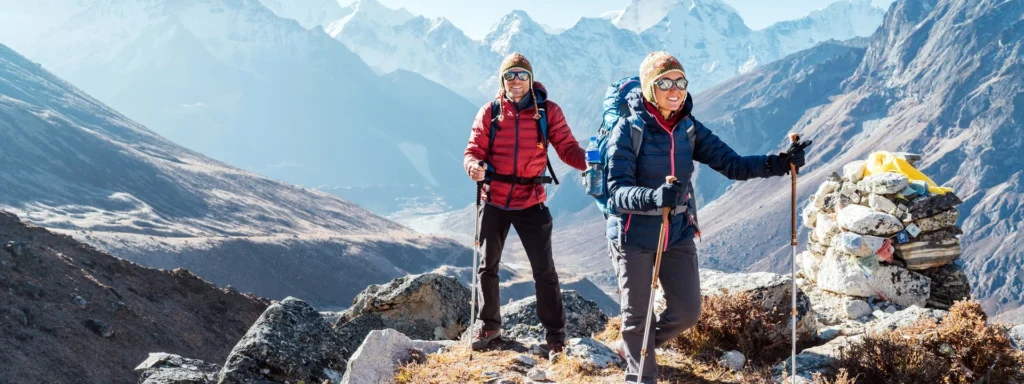
One of the biggest parts of the year of anti-tourism 2026 is the rise of the “quietcation” or quiet vacation. Our lives have become so loud and digital that we are constantly reachable through our phones. The quiet travel movement is a response to this burnout. People are booking trips to national parks and remote cabins and farmstays where the main goal is to simply do nothing. They want to hear the wind in the trees instead of the sound of traffic and tourist buses.
These restorative travel experiences are becoming a new kind of luxury. It is no longer about how many countries you can check off a list in a week. Now and the focus is on how long you can stay in one place and how deeply you can connect with it. Slow travel experiences allow you to wake up without an alarm and walk through a forest and enjoy a meal made with ingredients grown just a few feet away. This intentional way of moving through the world is exactly what the anti-tourism trends 2026 are all about.
How to Practice Mindful Travel
If you want to join the quiet travel movement this year and there are a few simple steps you can take. First and try to travel during the shoulder season or the off peak months. Visiting a popular area in the late autumn or early spring can be a completely different experience. You get to see the beauty of the place without the heavy crowds and you often get much better service at local shops and restaurants.
Another great tip for sustainable travel trends is to stay longer in fewer places. Instead of visiting three cities in ten days and try staying in one small town for the entire time. This allows you to become a temporary local. You can find your favorite bakery and get to know the neighbors and truly understand the rhythm of life there. This approach reduces your carbon footprint and makes your trip much more memorable and relaxed.
Also Read: Curated travel itineraries are trending in 2026
The Future of Travel is Intentional
As we look at the year of anti-tourism 2026 and it is clear that the future of travel is about quality over quantity. We are moving away from the “fast fashion” version of tourism where everything is meant for a quick social media post. Instead and we are embracing journeys that have meaning. Whether it is a digital detox trip in the mountains or a slow boat journey through a quiet river valley and these choices reflect a new set of values.
We are learning that the best way to see the world is to respect its limits. By choosing quiet travel and we are not just helping ourselves relax and we are also helping the planet and the people who live in the places we love to visit. This year is the perfect time to slow down and listen to the silence and discover a whole new way to explore.
FREQUENTLY ASKED QUESTIONS
What does the term anti-tourism actually mean in 2026?
It refers to a movement where travelers and locals push back against overtourism. It encourages people to avoid overcrowded hotspots and choose destinations that are more sustainable and respectful of local life.
Is quiet travel only for solo travelers?
Not at all. While many solo travelers love the peace of quiet travel and it is also becoming very popular for families and couples who want to bond without the distractions of busy tourist zones.
What are the best destinations for a quietcation?
National parks and rural farmstays and small coastal villages are perfect. Look for places that are not currently trending on social media or mentioned in every major travel guide.
Does quiet travel cost more than traditional tourism?
It can actually be cheaper. By staying in lesser known areas and traveling during off peak times and you can often find better deals on accommodation and food while supporting local businesses directly.