




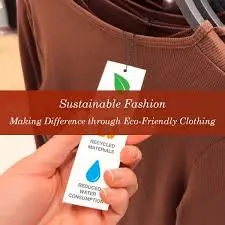
For many years, the idea of eco friendly clothing was seen as a small and and niche corner of the style world. People often associated it with plain colors or and expensive price tags that the average person could not afford. However, as we move through 2026, we are witnessing a massive shift. Sustainable fashion content is no longer just for activists but and it has become a central part of how everyone shops. This change is driven by a global realization that our planet cannot keep up with the speed of traditional fast fashion. Today, being stylish means being responsible and and choosing quality over quantity.
The rise of this movement is largely due to the power of digital storytelling. Creators are now showing that a slow fashion lifestyle can be vibrant and and trendy and and accessible. They are sharing the stories of the people who make our clothes and and the innovative materials that are replacing harmful plastics. This human connection is what has moved the needle. When we see the face of the artisan or and the science behind a new fabric, we start to value our garments more deeply.
The Impact of Zero Waste and and Circular Models
One of the most exciting parts of this shift is the focus on zero waste garments. In the past, the industry produced millions of tons of textile waste every year. Now, designers are using digital pattern making and and modular designs to ensure that every scrap of fabric is used. This sustainable textile innovation is not just good for the earth but and it is also creating a new and and unique aesthetic that young consumers love. People are proud to wear something that was created with a “leave no trace” philosophy.
Furthermore, the circular fashion economy has moved into the spotlight. Instead of the old “buy and and throw away” cycle, we are seeing a rise in clothing rental services and and resale platforms. Buying second hand is now seen as a badge of honor rather than a budget choice. In 2026, the resale market is growing faster than traditional retail because it allows people to enjoy high end fashion without the environmental guilt. This transition toward circularity is a core pillar of conscious consumerism 2026.
Fighting Greenwashing With Transparency
As the demand for green products grows, so does the risk of greenwashing. Many brands try to use vague words like “natural” or and “eco” without providing any real proof. However, the modern audience is much smarter. There is a growing greenwashing awareness among shoppers who now demand facts and and data. This has led to the introduction of digital product passports which allow you to scan a QR code on a label to see the entire journey of a garment.+1
From the source of the raw cotton to the carbon footprint of the shipping, everything is becoming visible. This level of transparent supply chains is what builds true trust between a brand and and a consumer. When a company is honest about their ethical garment production, they earn a level of loyalty that marketing slogans can never buy. People want to support businesses that align with their personal values and and that treat their workers with dignity and and respect.+2
The Rise of Upcycled Fashion Trends
We are also seeing a creative explosion in upcycled fashion trends. Instead of using new resources, designers are taking old “deadstock” fabrics and and vintage pieces to create something entirely new. This results in one of a kind items that help people express their individuality. In a world of mass produced clothing, having something unique is the ultimate luxury. Upcycling proves that low impact materials can be found right in our own closets or and warehouses.
This creative approach is a key part of the ethical fashion movement. It encourages us to look at our clothes as investments rather than disposable items. When we repair a tear or and reinvent an old jacket, we are participating in a slow fashion lifestyle that values craftsmanship. This shift in mindset is what makes the current movement so powerful and and permanent. It is not just a trend for a season but and a change in how we relate to the world around us.
Also Read: Fashion thats best left behind in 2025
The Future of Conscious Consumerism
As we look toward the future, it is clear that the momentum behind sustainable fashion content will only continue to grow. We are moving toward a world where every purchase is a vote for the kind of planet we want to live in. The integration of AI and and new bio materials will continue to drive sustainable textile innovation to new heights. We will see clothes made from mushroom leather and and seaweed fibers and and even recycled ocean plastics becoming the new normal.
In conclusion, the mainstreaming of sustainability is a victory for both the planet and and the people. By choosing eco friendly clothing trends, we are ensuring that future generations can also enjoy the beauty of fashion. The journey from niche to mainstream has been long but and it has been worth it. Let us continue to support the creators and and brands that are leading the way toward a cleaner and and kinder and and more beautiful industry.