


According to Kofluence’s Decoding Influence 2026 report, India’s creators economy has 4.0 to 4.4 million active creators spread across platforms with radically different earning architectures, and most of them haven’t figured out which platforms pay and which just perform.
- Instagram is every creator’s starting point
- YouTube is where the real money lives
- X is where the influence happens without real income
- LinkedIn is the B2B creator goldmine nobody talks about
- The podcast market is a slow build that compounds
- Moj, ShareChat, and Josh are Bharat’s creator layer
- Emerging platforms to watch out for
- The earnings gap that the industry doesn’t advertise
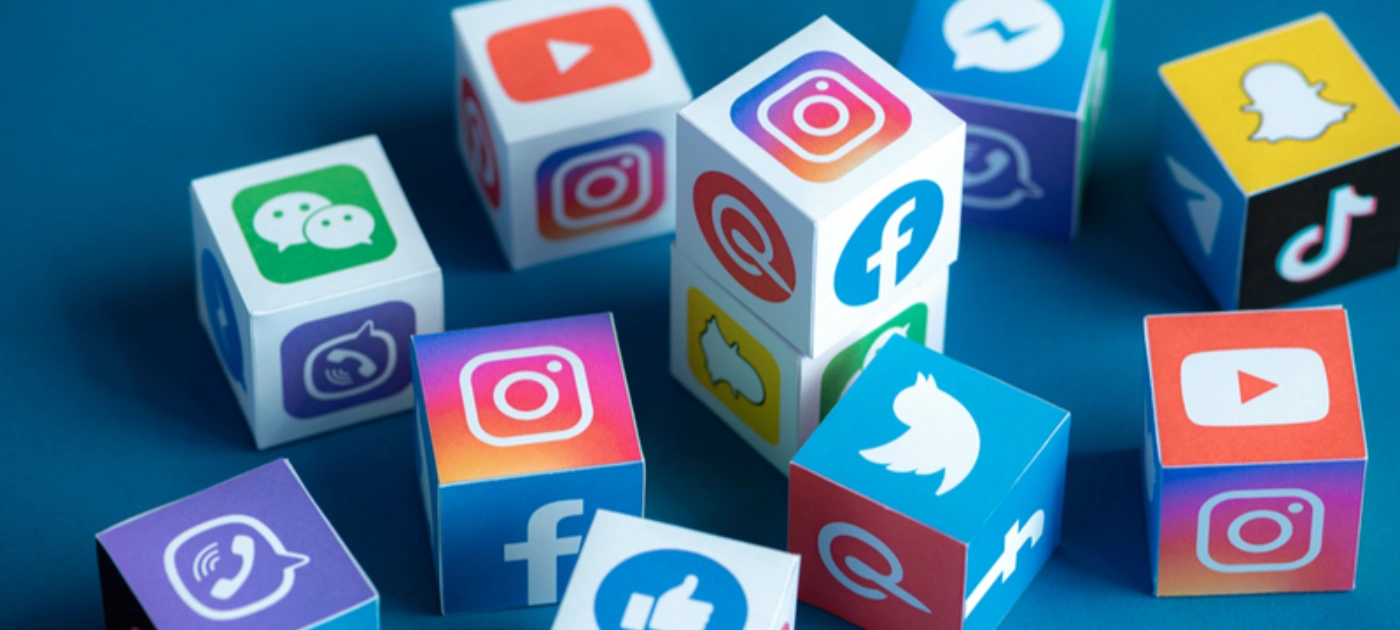
The relationship between platforms and creators was never purely transactional but rather symbiotic, where creators provide revenue-driving content in exchange for algorithmic distribution. The financial benefits vary enormously based on platform, tier, and content. Most creators still struggle to differentiate between creator platforms in India that actually pay versus those that just perform.
Instagram is every creator’s starting point
Instagram is a highly effective top-of-funnel discovery engine, prioritized by 93.1% of brands according to the report. However, its massive dominance, with 3.7 million creators representing 90% of India’s active base, causes a demand-supply disruption that collapses bottom-tier pricing.
The precise reason why the nano-creator monetisation rates (under 10,000 followers) have dropped from ₹500 to ₹300 per post. Because Instagram’s Indian monetization model relies almost entirely on brand partnerships, diversifying beyond the platform into YouTube AdSense, LinkedIn’s B2B pipeline, or direct-to-consumer products is no longer an optional strategy; it is a matter of financial survival.
YouTube is where the real money lives
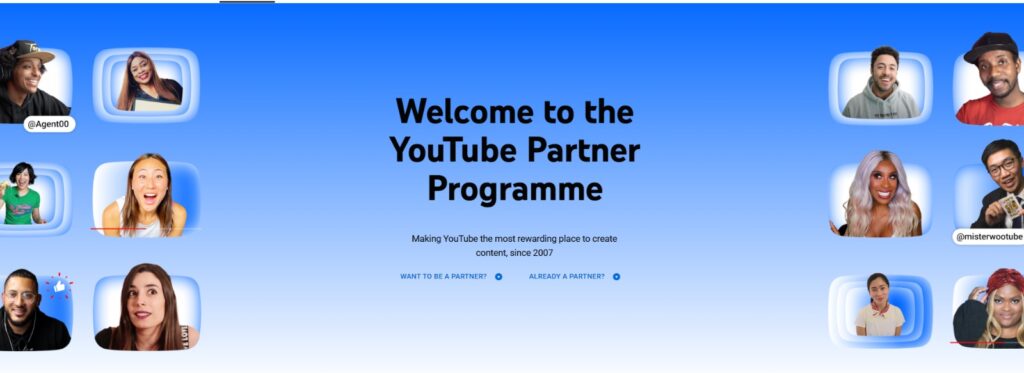
India is YouTube’s largest global market, hosting 750,000 active, monetization-eligible creators, according to the report. Though the number represents a fraction of Instagram’s base, it is far more financially viable. This earning power is guarded by the YouTube Partner Programme‘s entry barriers; once unlocked, creators take home 55% of generated ad revenue, while YouTube retains 45%.
While Instagram leads in campaign volume, brands seek YouTube for substance. According to the report, 65.5% of brands prioritize YouTube for depth. Driven by this high-intent engagement, the platform remains disproportionately vital for a creator’s bottom line.
X is where the influence happens without real income
According to the report, only 10.3% of brands prioritize X for influencer campaigns, making it a tough space for standalone income despite an active base of 55,000 to 80,000 Indian creators. While the platform does offer a native revenue-sharing program, a thin regional ad pool keeps Indian payouts notoriously low.
Rather than a direct revenue stream, X is best leveraged as a top-of-funnel reputation engine. It is the ideal space for creators to spark viral discourse and build industry authority, which they can then monetize through brand deals or consulting work on other platforms.

LinkedIn is the B2B creator goldmine nobody talks about
LinkedIn’s 24.1% influencer presence in Kofluence’s survey highlights maturing B2B influence in India, primarily concentrated in sectors like BFSI, marketing, and tech. LinkedIn offers no direct monetization, no ad shares, bonuses, or tipping. Instead, it provides durable, direct access to key decision-makers.
Executives who typically ignore cold emails often engage with well-crafted posts. This interaction sparks conversations that creators can monetize off-platform. For professional service creators, a LinkedIn audience is exceptionally valuable per follower, even though the platform itself writes no checks.
The podcast market is a slow build that compounds
India is the world’s third-largest podcast market, with 200 million listeners in 2025 and projecting Rs. 28,429 crore by 2030 (31.9% CAGR). However, direct platform income is negligible. Meaningful revenue takes 18 to 24 months of audience-building, eventually stemming from sponsorships, affiliates, and premium subscriptions.
Creators like Raj Shamani (Figuring Out) and Ranveer Allahbadia (The Ranveer Show) succeed by treating podcasts as trust-building engines. They earn primarily through brand integrations and speaker fees, charging premiums because listeners exhibit higher recall, loyalty, and intent. Consequently, a mid-roll integration for 500,000 monthly listeners commands ₹3–8 lakh per episode from fintech, edtech, or health brands. The path is long, but the earning ceiling is real.
Moj, ShareChat, and Josh are Bharat’s creator layer
Moj leads India’s homegrown short-video platforms at 19.8% brand usage, followed by ShareChat at 7.6%, according to the Kofluence report. These numbers matter less as absolute performance figures and more as access signals: these platforms reach communities that Instagram, for all its scale, does not fully penetrate.
They have their deepest roots in Tier 2 and Tier 3 cities, with most of their users coming from outside metros, consuming content primarily in regional languages. However, the structural problem for creators on these platforms is monetisation depth. Creator earnings on Moj, ShareChat, and Josh are substantially lower than on Instagram or YouTube, with brand deal rates often in the ₹2,000–₹50,000 range even for creators with large follower bases.
Emerging platforms to watch out for
WhatsApp and Snapchat represent a powerful shift toward direct, intimate creator-audience relationships. WhatsApp Channels (500 million Indian users) act as the country’s digital nervous system, letting creators bypass unpredictable algorithms entirely to drive off-platform monetization via affiliate links and exclusive paid communities.
Similarly, Snapchat’s massive scale of 956 million global monthly account users thrives on unfiltered, real-time connections. Because 63% of users form personal bonds with creators, Snapchat creator ads achieve 25% longer playtimes and 16% more active attention. Together, these platforms prove that authentic, direct communication out-converts passive scrolling to drive measurable business results.
The earnings gap that the industry doesn’t advertise
India’s Creators: The report exposes a stark reality of the creator economy. Platforms like Instagram and YouTube are designed to efficiently extract value, not distribute wealth broadly. Most of the Indian creators report that social media contributes less than 75% of their total income. Even among the 46.3% who identify as full-time creators, the vast majority rely heavily on off-platform channels such as consulting, offline gigs, affiliate deals, and direct product sales.
This dynamic is not a failure on the creator’s part, but a structural failure of the ecosystem itself. Today’s successful Indian creators understand this and treat social networks strictly as top-of-funnel distribution engines. They leverage algorithmic reach to build independent, diversified revenue streams rather than waiting on native platform payouts.
For India’s Creators who understand that building wealth entirely off-platform is no longer viable, they are the ones who will secure long-term financial survival.